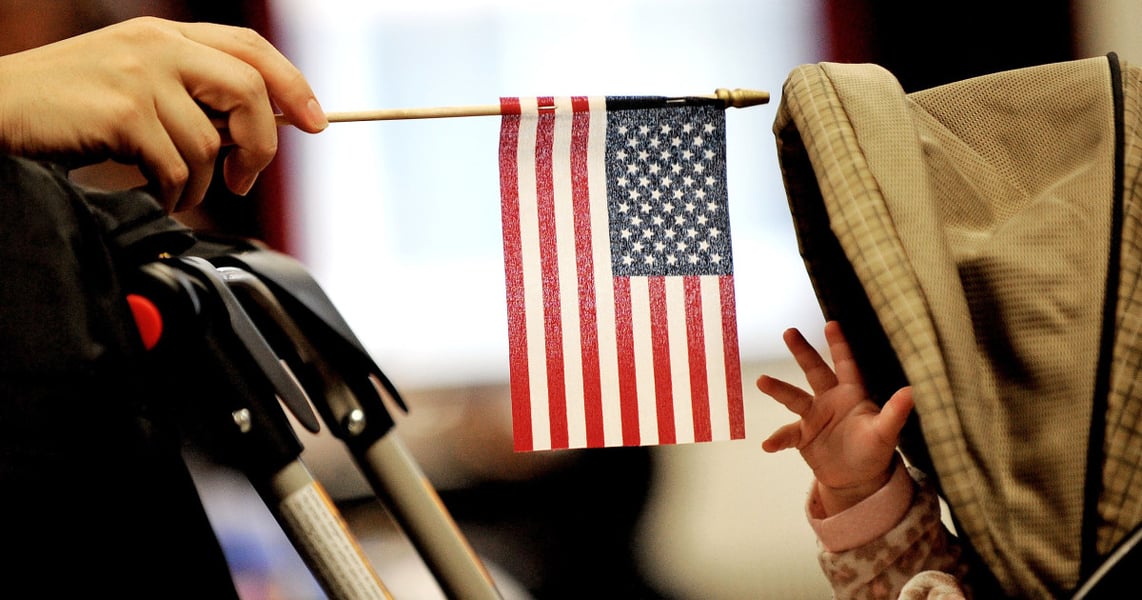

WASHINGTON — For the second time since January, the Trump administration’s effort to redefine birthright citizenship has been stopped by a federal court. U.S. District Judge Deborah Boardman ruled Wednesday that Trump’s August executive order limiting who qualifies as an American citizen “is almost certainly unconstitutional,” issuing a 35-page preliminary injunction that blocks the White House from enforcing it.
The ruling landed less than four weeks after Trump signed the executive order on August 6, and it followed a familiar script: a presidential directive, a swift legal challenge, a federal judge citing the Fourteenth Amendment, and an administration left to decide how aggressively to appeal. “This Court must, once again, preliminarily enjoin enforcement,” Boardman wrote, words that captured how repetitive this particular legal cycle has become.
The case was brought by CASA Inc., a Maryland-based immigration advocacy nonprofit whose clients include families with children born in the United States to parents covered by the order’s definitions. Trump’s August order sought to deny automatic citizenship to children of “alien enemies of the United States,” foreign government employees, and individuals the federal government has identified as acting on behalf of foreign governments.
The legal backdrop is what made Wednesday’s ruling especially pointed. Trump’s original birthright citizenship order, signed on his first day back in office in January 2025, was a sweeping attempt to end the practice across the board. The Supreme Court struck it down in June, ruling that it exceeded presidential authority. The administration’s argument for the August order was that it was narrow enough to survive where the first had failed.
Boardman rejected that argument directly. The Supreme Court’s June ruling, she wrote, had settled the underlying constitutional question, and “no Presidential Executive Order can undo what the Supreme Court has done.” The language of the Fourteenth Amendment, which guarantees citizenship to all persons born in the United States and subject to its jurisdiction, does not contain exceptions for the categories Trump’s August order identified.
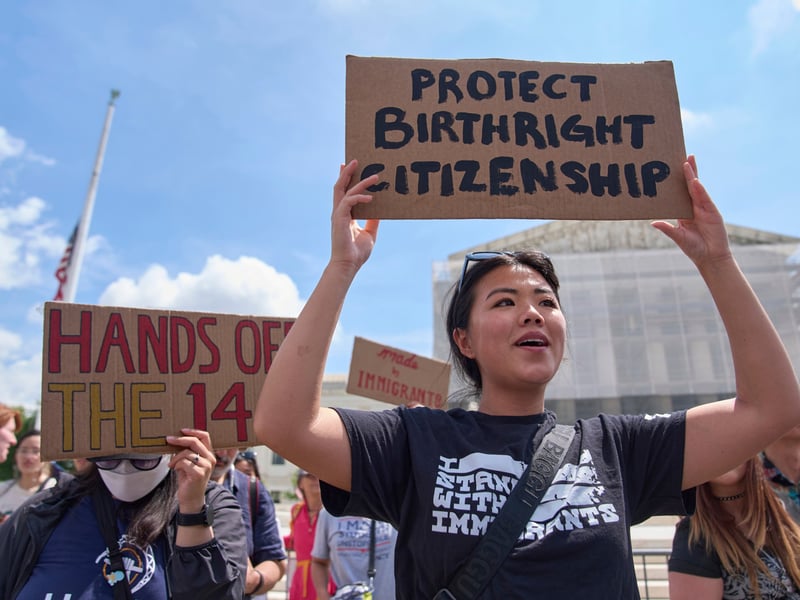
Attorney General Todd Blanche said after the ruling that the administration was not done. “If we have to go back to the Supreme Court, we will,” he said, adding that the White House believed it had crafted the executive order in alignment with guidance from the Court’s earlier decision. White House spokesperson Lauren Bis called Boardman an “activist judge appointed by Biden.”
The administration’s posture reflects a broader strategy: use successive executive actions to test the constitutional limits of the presidency’s power over immigration, force the courts to draw clearer lines, and eventually return to a Supreme Court that the administration calculates may eventually rule in its favor. What remains unknown is whether the Court, having already ruled against Trump once on birthright citizenship, is prepared to revisit the question so quickly.
What the June Supreme Court ruling gave the administration was a procedural advantage: the justices limited the scope of injunctions that district judges can issue against executive orders, meaning injunctions should apply only to named plaintiffs rather than blocking the policy nationwide. Boardman’s ruling appears to have pushed against that limitation by applying class-wide relief to a group broader than CASA’s named clients, a development that may itself become a focus of the anticipated appeal.
According to NBC News, the Justice Department did not immediately respond to requests for comment beyond Blanche’s public statement.
The sequence of legal defeats has not visibly altered Trump’s approach on immigration. His midterm campaign push across 35 contested races has centered partly on immigration as a defining contrast with Democratic opponents. Republican senators already navigating a difficult midterm environment, particularly those facing pressure from Republican midterm fractures over the Iran conflict, will now have to absorb another ruling that undercuts a signature White House policy.
The deeper political dynamic is that each court defeat gives the administration something to run against. An “activist” judiciary blocking presidential action is a well-tested grievance for mobilizing base voters. Polling has shown that public concern about government corruption and institutional trust has reached historic highs, and the administration’s willingness to frame the courts as another corrupt institution has resonated in certain quarters.
What no one yet knows is where this ends. The Supreme Court’s June ruling left the core constitutional question, whether children born in the United States to certain categories of parents are actually citizens under the Fourteenth Amendment, formally unresolved. Boardman answered it as clearly as a district court can: yes, they are, and no order from the White House can say otherwise. Whether the Supreme Court ultimately agrees, or ultimately revisits what it declined to fully resolve in June, is the question that will define what birthright citizenship means in America going forward.
Related Posts