
The global economy is entering a period of renewed instability after the International Monetary Fund sharply downgraded its growth outlook, warning that the widening conflict involving Iran has already disrupted economic momentum and raised the specter of a broader downturn.
In its latest World Economic Outlook update, the IMF lowered its projection for global growth in 2026 to 3.1 percent, citing surging energy prices, supply disruptions, and heightened geopolitical risk. Officials cautioned that the situation could deteriorate rapidly, with growth slipping toward 2.5 percent or even 2 percent under more severe scenarios.
The downgrade marks a decisive shift from the relative optimism that defined early forecasts for the year. What had been expected to be a steady expansion driven by post-pandemic recovery and investment in technology has now been overtaken by the global economic consequences of war in one of the world’s most critical energy corridors.

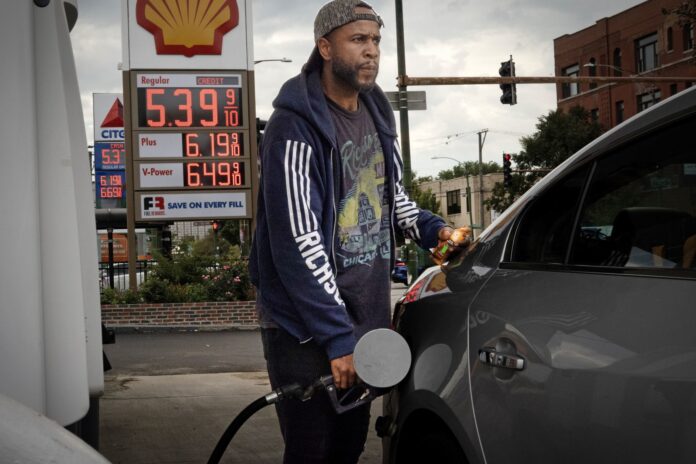
The consequences have rippled far beyond the Middle East. Higher fuel costs have translated into rising transportation and production expenses, pushing global inflation to climb to around 4.4 percent across both advanced and developing economies.
For policymakers, the challenge has become increasingly complex. Central banks that had been preparing to ease interest rates now face renewed pressure to contain inflation, even as economic growth slows. Economists warn that this combination could revive stagflation, a condition not seen on a global scale in decades.
The burden of the crisis is falling unevenly. emerging markets and developing economies are expected to bear the brunt of the shock, particularly those heavily reliant on energy imports.
In the Middle East and Central Asia, the economic damage is more acute. Growth projections for the region have been slashed sharply, with some economies facing outright contraction. Iran’s economy is projected to shrink significantly, reflecting both direct conflict damage and the broader collapse in trade and investment flows.
Advanced economies are not immune. Growth forecasts for the United States, Europe, and Japan have all been revised downward, reflecting weaker consumer demand and rising costs. The eurozone faces a prolonged slowdown even under optimistic scenarios, underscoring the depth of the shock.
Even energy-producing nations, which typically benefit from higher oil prices, are experiencing mixed outcomes. While some producers have seen windfall gains, others have faced infrastructure disruptions and heightened security risks that offset potential economic benefits.
Financial markets have already begun reacting sharply. global financial markets entered another volatile phase, with equities fluctuating and investors shifting toward safer assets.
The IMF outlined three potential trajectories for the global economy. In the baseline scenario, the conflict remains contained, and energy markets stabilize. In more severe scenarios, disruptions to oil supply and trade routes lead to weaker growth, persistent inflation, and financial instability.
Current trends suggest the world is already drifting toward a more adverse path. The IMF warned that the war has disrupted global economic momentum and spurred inflation, raising concerns about long-term structural damage.
Beyond immediate economic indicators, analysts warn of deeper consequences. Research highlighted in recent reports shows that wars produce greater and more lasting damage than financial or natural crises, reshaping trade, investment, and fiscal priorities for years.
The broader implications extend beyond short-term growth figures. The conflict has exposed structural vulnerabilities in the global economy, particularly its dependence on critical energy chokepoints and its sensitivity to geopolitical shocks.
International institutions are now urging coordinated action to stabilize markets and support vulnerable economies. The IMF, World Bank, and International Energy Agency have called for targeted interventions, strategic use of energy reserves, and efforts to maintain open trade routes.
The coming months are likely to prove decisive. Much will depend on the trajectory of the conflict and the stability of energy supplies. For now, the IMF’s message is clear: the global economy has entered a more uncertain and fragile phase, with risks tilted firmly to the downside.
The era of predictable recovery has given way to a new reality shaped by geopolitical confrontation, energy insecurity, and economic volatility.