The Middle East edged closer to a wider war this week as Israeli strikes on Iran converged with a sweeping naval escalation, transforming the Strait of Hormuz into the most dangerous maritime chokepoint in the world.
The United States has now begun a blockade of Iran’s ports following the collapse of high-stakes diplomatic talks, marking one of the most aggressive military-economic moves in recent years. President Donald Trump’s order effectively restricts ships entering or leaving Iranian waters, with warnings that vessels defying the blockade could face interception or destruction.
At the same time, Israeli military operations have intensified across the region, linking battlefield developments directly with naval escalation in the Gulf. The convergence of these moves has pushed the region toward a broader confrontation with global consequences.
A Strategic Waterway Under Pressure
The Strait of Hormuz, through which nearly one-fifth of global oil supply flows, has become the focal point of this crisis. The US strategy aims to cut off Iran’s ability to export oil and reshape control over one of the world’s most critical energy routes.
Under the plan, the US naval blockade targets all maritime traffic to Iran, applying to vessels entering or exiting Iranian ports across the Gulf and surrounding waters.
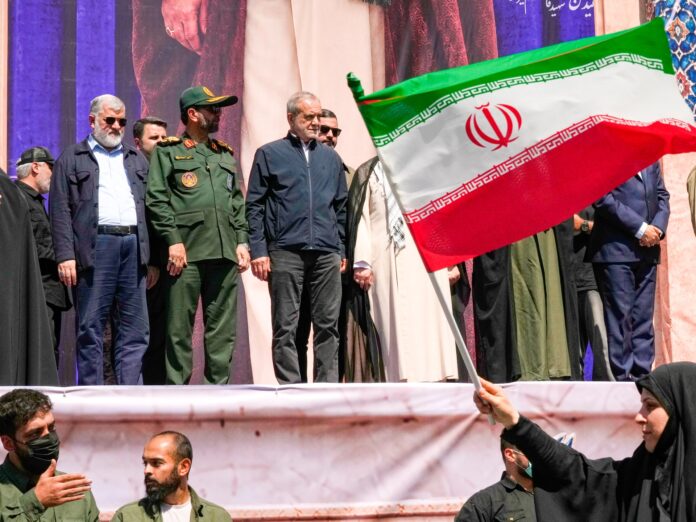
Iran has condemned the move as an act of economic warfare and warned of retaliation. Officials have signaled that any attempt to strangle its maritime trade could trigger a wider regional response, raising the risk of direct confrontation in one of the most heavily trafficked shipping corridors in the world.
Oil Shock and Economic Fallout
Markets reacted immediately. Oil prices surged above $100 a barrel, reflecting fears of a prolonged disruption to global supply.
The ripple effects have been swift. Investors are reassessing risk, shipping companies are rerouting vessels, and insurers are raising premiums as uncertainty spreads across global supply chains.
The Strait of Hormuz crisis is now threatening to destabilize energy markets worldwide, with analysts warning that prolonged disruption could fuel inflation and slow economic growth across both developed and emerging economies.
Countries heavily dependent on imported energy, including major Asian economies, face immediate exposure to price volatility and supply shortages as the crisis deepens.
Western Unity Fractures
The escalation has exposed deep divisions within the Western alliance. NATO allies refuse to support US blockade, opting instead to call for diplomatic solutions.
European leaders have warned that the blockade risks triggering a broader war while further destabilizing already fragile global markets. The reluctance to join Washington’s strategy highlights growing disagreement over how to manage the crisis.
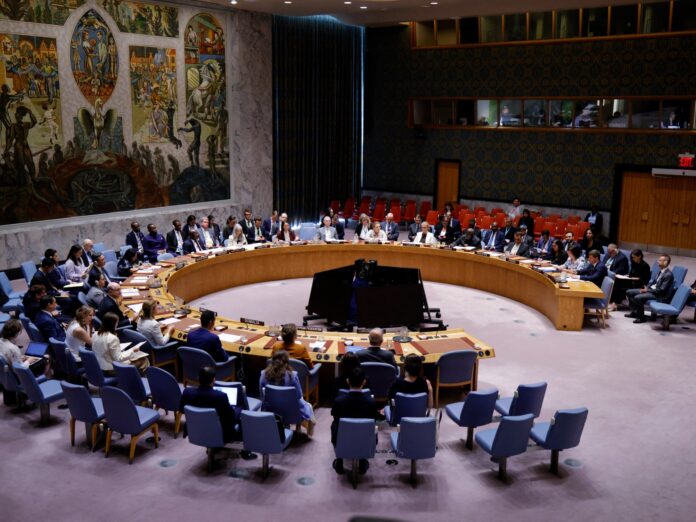
Meanwhile, geopolitical tensions are widening. Russia and China veto UN resolution on Hormuz, reinforcing a broader divide between Western powers and emerging global alliances.
Escalation Risks and Military Calculations
For the Trump administration, the blockade is designed to exert maximum pressure on Tehran by targeting its economic lifeline. But the move also carries significant risks.
In a stark warning, the US has signaled that Iranian ships could be “eliminated” if they challenge enforcement measures, underscoring the potential for rapid escalation.
Analysts warn that such rhetoric increases the likelihood of miscalculation, particularly in the narrow waters of the Strait of Hormuz where military forces operate in close proximity.
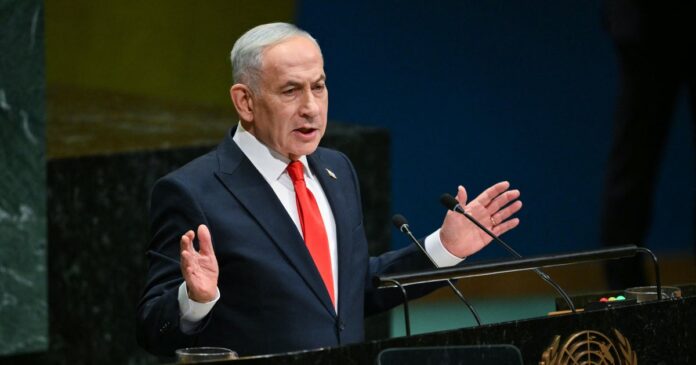
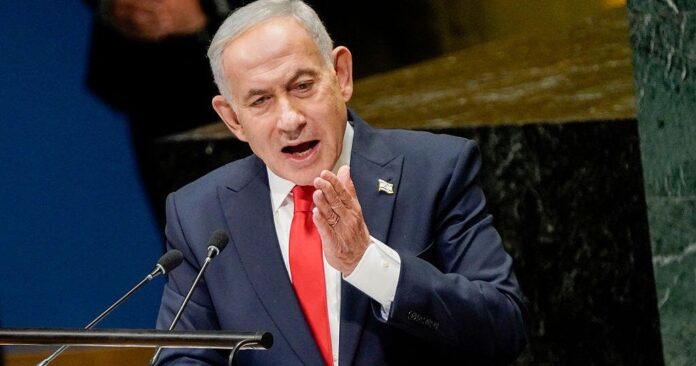
The situation is further complicated by the broader regional context. Israel attacks Iran triggered wider war, drawing in multiple actors and expanding the conflict beyond its initial scope.
A Conflict Without Clear Limits
What began as a regional confrontation is rapidly evolving into a global crisis. The blockade threatens global oil supply routes, raising the stakes for economies worldwide.
Even as diplomatic channels remain open, the trajectory suggests that de-escalation is becoming increasingly difficult. Each new development, military, economic, or political, adds another layer of complexity to an already volatile situation.
For now, the Strait of Hormuz stands at the center of a widening conflict, a narrow passage carrying not just energy supplies but the weight of a world edging closer to prolonged geopolitical instability.