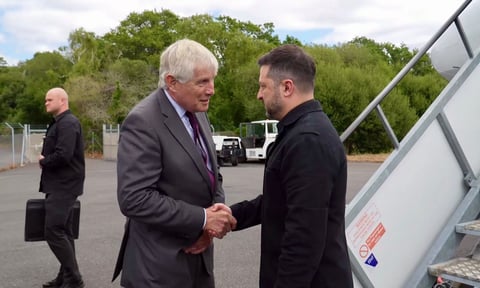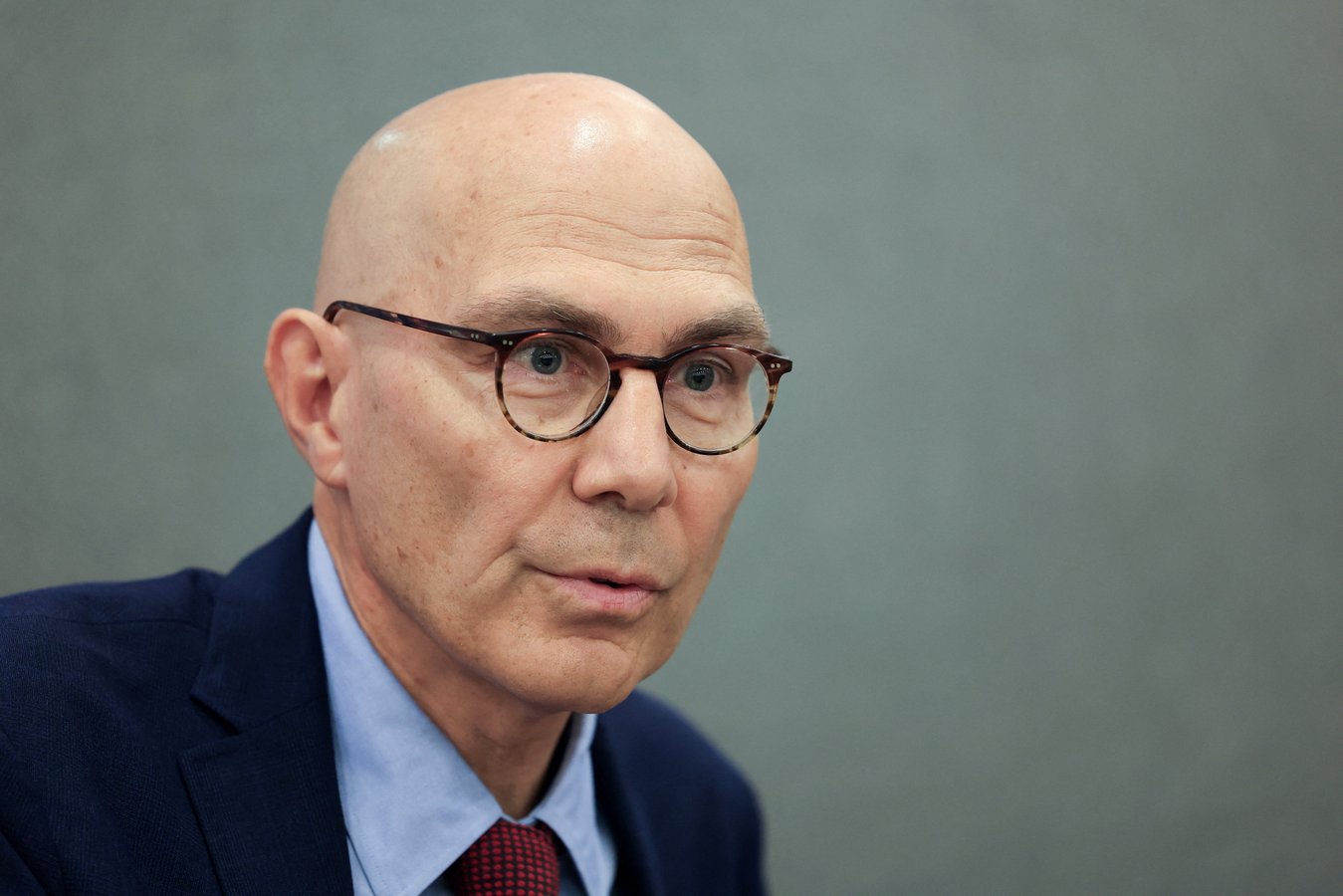

BEIRUT – The school was housing roughly a thousand displaced people when Volker Turk visited it on Sunday. The UN High Commissioner for Human Rights had come to Lebanon to see what the country looked like more than three months after an April ceasefire was supposed to have halted Israeli military operations in the south. What he found, he told reporters in Beirut, was “widespread damage and compounded suffering” and a population carrying trauma that had accumulated through multiple cycles of displacement.
Turk’s office documented violations that his investigators concluded “possibly amount to war crimes.” The operations in question continued after the ceasefire went into effect in April – air strikes, ground movements, artillery fire, and demolitions in southern Lebanon that Israeli forces have conducted despite the nominal halt in hostilities. “I am struck by the widespread damage and compounded suffering,” Turk told journalists. “The trauma, frustration and despair are palpable – but so too is the demand for justice.”
The demand for justice, and who is obligated to provide it, sits at the center of a political argument that Turk’s visit made more visible. Lebanon and Israel are bound by a framework agreement that has not resolved the underlying military situation. Lebanese Environment Minister Tamara Elzein argued earlier this month that a clause in the framework requires Beirut to halt complaints about Israeli conduct, which she said amounted to surrendering Lebanon’s moral right to seek accountability. Turk’s visit, conducted under UN auspices, does not depend on Lebanese government sign-off or Israeli cooperation, but it places the rights question on record at a moment when the framework’s accountability provisions are being actively contested.
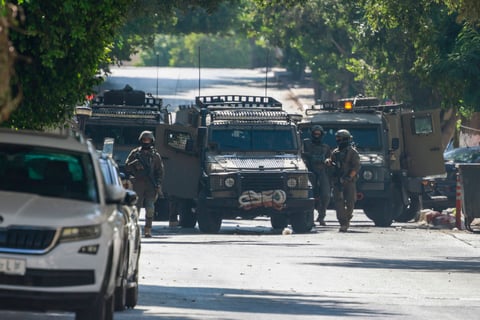
Israel has continued military operations in southern Lebanon since the ceasefire. Turk’s investigators catalogued air strikes, ground operations, shelling, and targeted demolitions in areas Israeli forces were supposed to have vacated. The word Turk used publicly was “compounded” – not a single acute disaster but an accumulation of harm layering onto previous harm, each cycle of displacement adding to the last. He did not characterize the Israeli operations as having ceased. He described a situation in which the ceasefire exists as a diplomatic fact but not, in the south of Lebanon, as a military one.
Amnesty International called for war crimes investigations into Israeli strikes in southern Lebanon earlier this month, a call that Turk’s findings reinforce without resolving. The difference between Amnesty’s call and Turk’s documentation is institutional. Turk speaks as the head of the UN’s human rights apparatus, with an office that has formal access, investigative capacity, and a reporting line to the UN Secretary General and the General Assembly. When his office concludes that violations “possibly amount to war crimes,” the formulation is cautious by design. It does not prejudge a legal finding; it establishes that the threshold for a formal investigation is met.
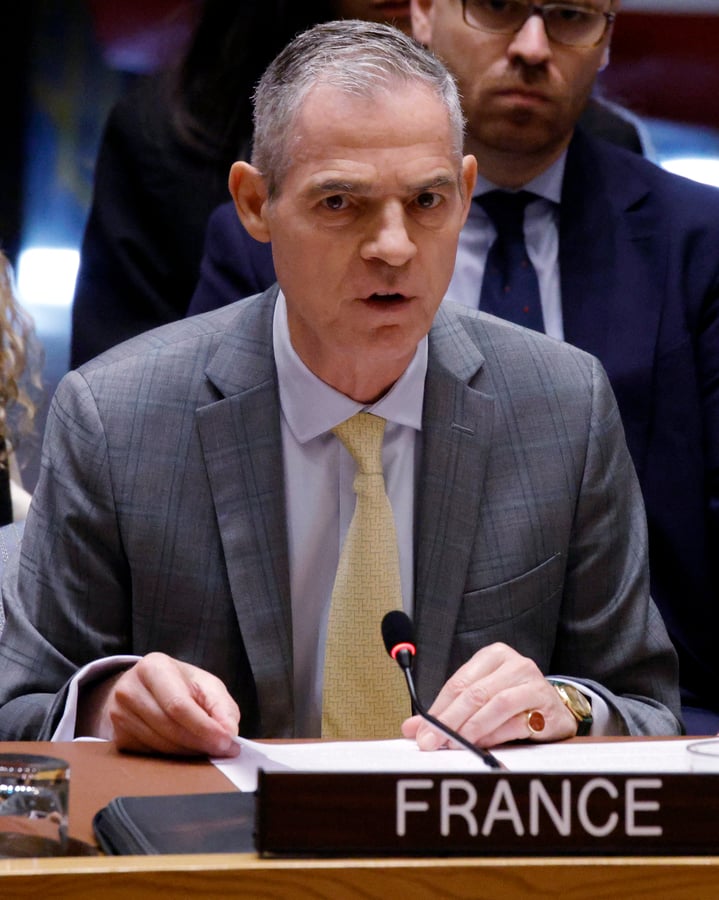
Al Jazeera reported Turk’s full remarks in Beirut, including his statement that “nobody is above international law and there are no exceptions to it.” The phrase carries its own diplomatic weight. Turk’s mandate renewal was voted down at the UN by the United States, which joined Russia, North Korea, Nicaragua, and Mali in opposing his continued tenure. His visit to Lebanon came days after that vote. He did not address the connection publicly, but the timing places his continued field work in contrast with the American effort to end his mandate.
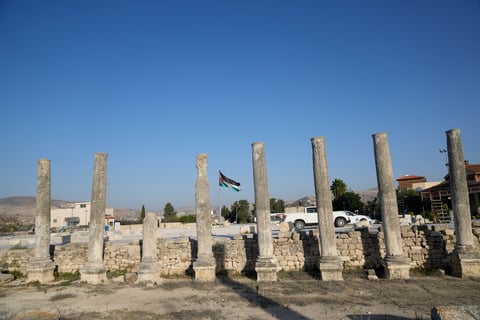
The south of Lebanon that Turk visited had been struck, shelled, and occupied across multiple phases of conflict. The displacement that the school’s thousand residents represent is not from a single operation; it is the residue of cycles of expulsion and incomplete return. Turk’s documentation of violations “possibly amounting to war crimes” covers conduct that began after the April ceasefire and has continued without the Israeli government announcing any end to operations in the area. Benjamin Netanyahu’s government has not responded publicly to Turk’s findings from the Beirut visit. The pattern – military operations continuing, accountability mechanisms arriving afterward – is one that southern Lebanon has experienced in every major conflict cycle since 1982.
The population Turk met at the school wanted a word he was careful to hedge: accountability. He said the demand for it was palpable, matching the frustration and the despair. What he could not offer was a schedule. The international accountability infrastructure moves slowly, is susceptible to political obstruction, and depends on cooperation that powerful states regularly refuse to extend. Turk can document, can call attention, and can insist that no exceptions exist to international law. Whether that insistence reaches any mechanism capable of acting on it is a question his visit cannot answer.