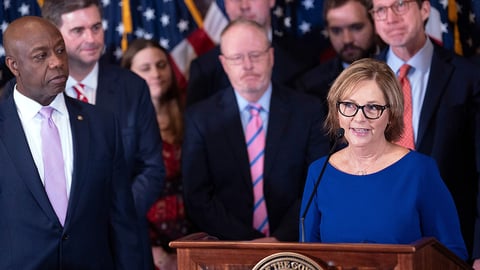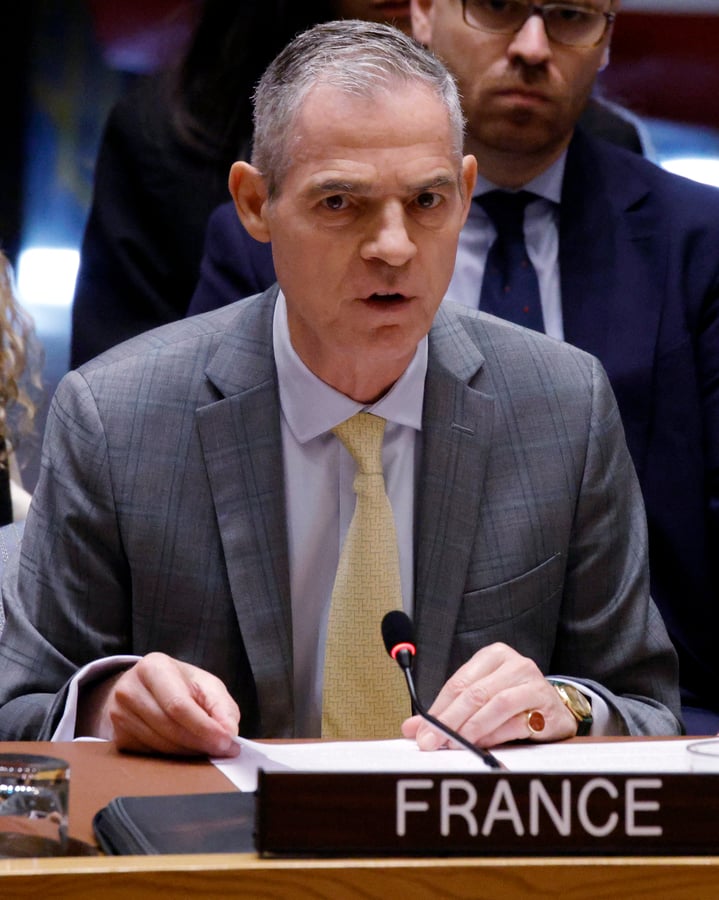

UNITED NATIONS – When Jerome Bonnafont, France’s ambassador to the United Nations, rose on Sunday to address the Security Council’s session on the Russian operation in Ukraine, the American delegation did not stay to listen. Mike Waltz, the United States ambassador, and Dan Negrea, the alternate US representative, collected their materials and left the chamber while Bonnafont was speaking.
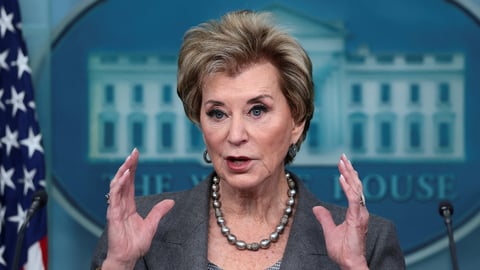
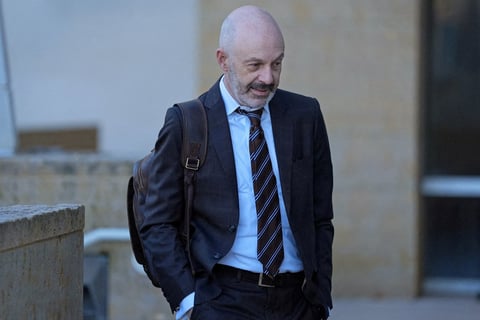
The departure was deliberate, and Negrea left no ambiguity about its meaning. The United States, he told reporters after the session, would vacate the room every time France chose to deliver what he called “condescending and disrespectful rhetoric” toward Washington. He did not specify which remarks had triggered the decision, or whether the walkout had been coordinated in advance with the US mission leadership.
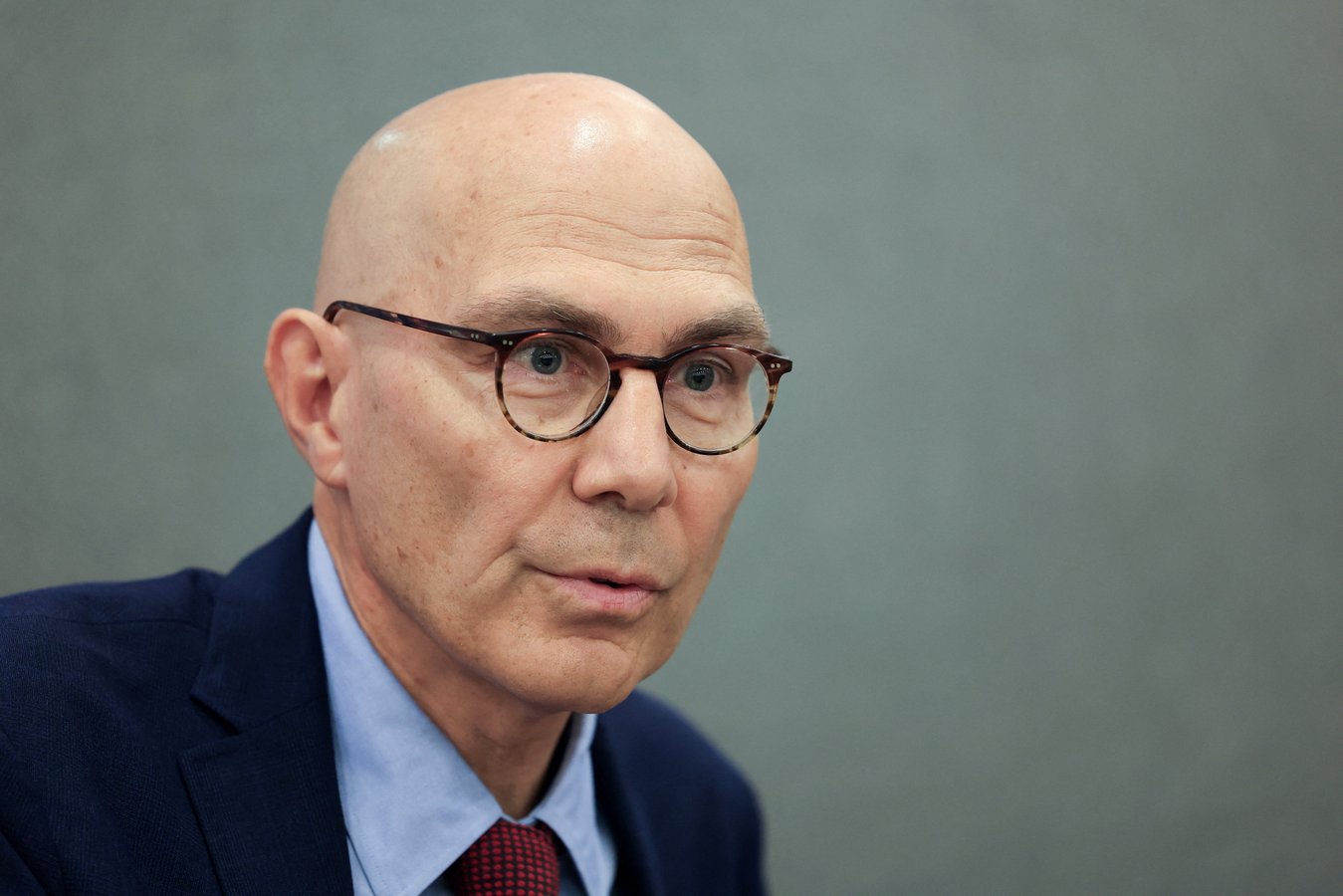
What Bonnafont had told the council – and what France has been saying with increasing directness – was that the United States could no longer claim to be a “beacon of human rights.” The phrase, once directed at Washington approvingly, arrived on Sunday as a verdict. France had voted to renew the mandate of Volker Turk as UN High Commissioner for Human Rights. The United States had voted against it. Waltz, explaining his position to reporters, framed the US vote as a principled stand against a commissioner he accused of “lecturing free, sovereign democracies like the US, UK, and Israel, while cozying up to the world’s worst oppressors.”
France made a point of naming the company the United States had kept in that vote. In opposing Turk’s renewal, Washington sided with Russia, North Korea, Nicaragua, and Mali. The list was Bonnafont’s, not American, and it was not offered as a compliment. The overlap between countries that voted against a human rights commissioner and countries whose domestic rights records that commissioner has investigated is not incidental – it is precisely the problem France was pointing at.
The council’s official topic was Ukraine. Russia’s Foreign Minister Lavrov and US Secretary of State Rubio had confirmed a direct bilateral in Manila that same week to discuss Ukraine settlement terms, placing the Security Council session in a context where the principal parties to the conflict were conducting parallel diplomacy elsewhere. The walkout, in that setting, added a visible rupture inside the Western bloc at the moment when transatlantic cohesion was already under pressure from both the east and the west.
Turk, the Austrian diplomat who has held the UN human rights post since 2022, has been a consistent irritant to Washington and Tel Aviv. His office has documented civilian casualties in Gaza, ongoing Israeli military operations in southern Lebanon, and rights conditions in countries that include American allies. He has not exempted democracies from scrutiny. Al Jazeera reported the full Security Council exchange, including Waltz’s characterization of the rights chief as lecturing democracies while favoring oppressors – an argument that multilateral human rights bodies lack impartiality and function as tools of selective accountability. France and most of the European Union reject that framing entirely.
The walkout does not stand alone. France and Germany have been developing independent defense frameworks, including joint nuclear deterrence exercises planned for this autumn, as European capitals hedge against uncertainty about American security commitments. The Security Council chamber is not where those fault lines are negotiated; it is where they become visible.
The condition that produced Bonnafont’s remarks and Negrea’s response is not diplomatic friction generated by a single commissioner’s mandate. The US position on the Gaza genocide, its treatment of international accountability mechanisms as adversarial rather than legitimate, and its shifting posture toward the rules-based order have produced a consensus among European governments that something structural has changed in Washington’s foreign policy orientation. France’s “beacon” remark was rhetorical. It carried the weight of a political position that Berlin, Brussels, and a number of other European capitals share, even if they choose quieter language when expressing it.
Negrea set a condition for ending the walkouts: France must renounce its “condescending and disrespectful rhetoric.” France has shown no indication of doing so. The dispute over Turk’s mandate will not, by itself, determine the trajectory of the US-France relationship. But it crystallized something that has been building: a divergence over whether powerful democracies are subject to the same accountability norms that their own diplomats helped write into international law. On Sunday at the Security Council, the American answer was to leave the room before the question was fully put.