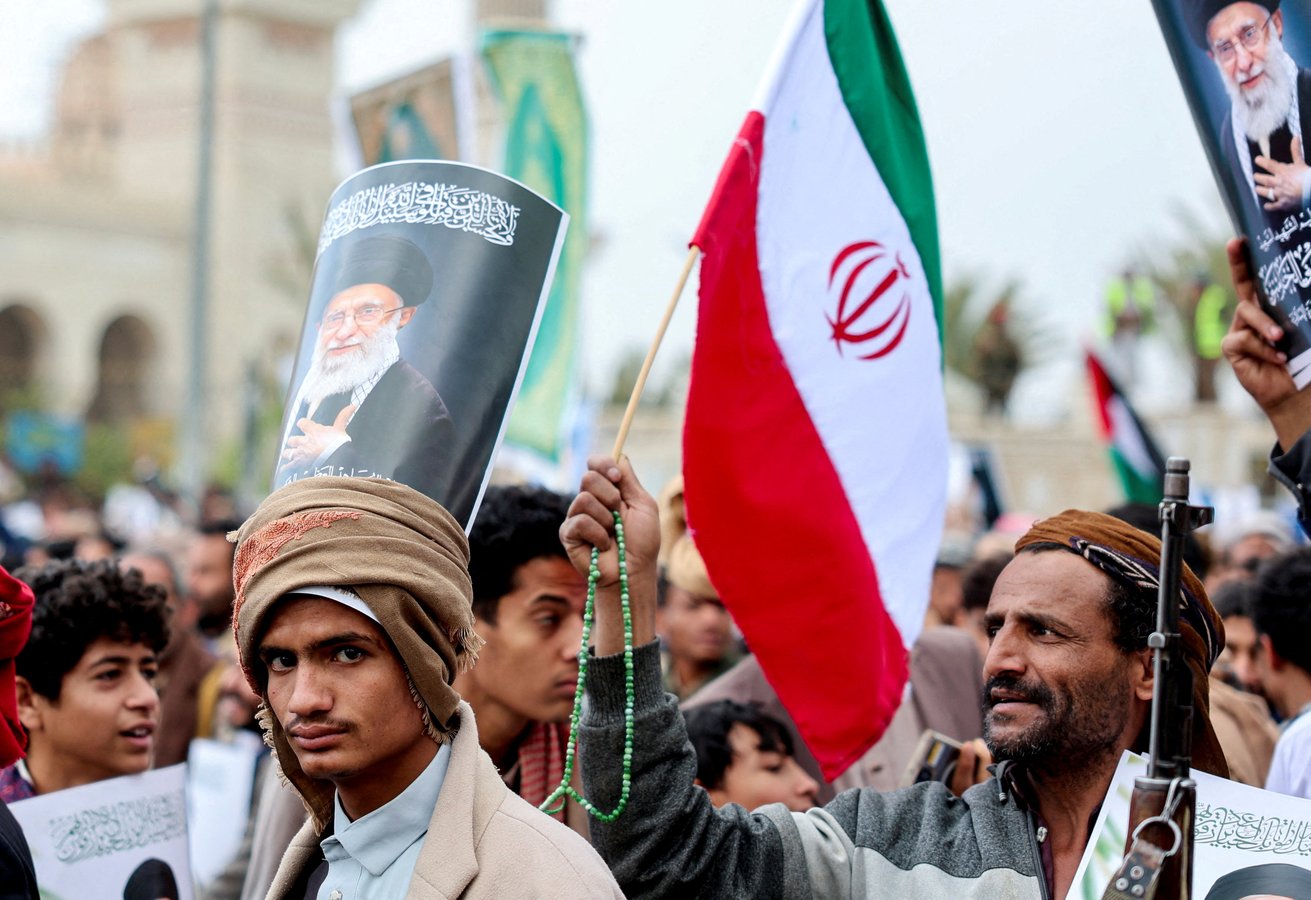

SANAA – When Hamad al-Hazmi, a tribal leader in Yemen’s al-Jawf province, was detained by Houthi forces in June 2026 and released weeks later, the response from surrounding tribes was something analysts had not seen in years of fractured Yemeni politics: collective, public condemnation. Tribes that had long hedged between factions, cutting private arrangements with Houthi commanders to protect their villages, moved together. His case became a line.
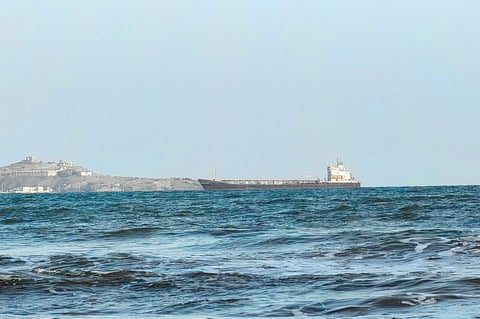
That shift is now one of the central dynamics as Yemen edges toward what some analysts describe as a fundamentally different kind of war. On Wednesday, Houthi forces claimed missile and drone attacks on two Saudi oil tankers, extending a maritime campaign that has already pushed Brent crude above $100 a barrel and drawn an explicit warning from Donald Trump that any further strike would be answered by US military action against Iran. But the more consequential change, several analysts said, may be happening on land.
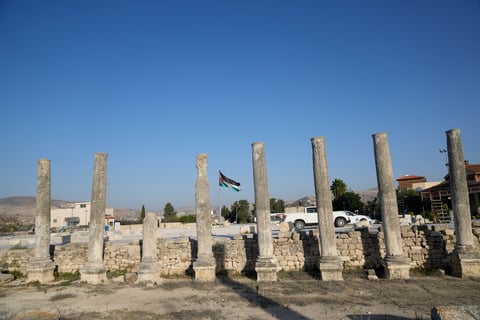
In al-Jawf, an unprecedented alliance of tribal factions has coalesced against the Houthi movement since al-Hazmi’s detention. Fuad Mussed, a Yemeni political analyst, put it plainly: “For the first time, the tribes are rising in this form of unity despite the fragmentation.” The solidarity is partial and fragile. It has not spread uniformly across Yemen’s complex tribal map, but it represents something the anti-Houthi coalition could not manufacture through military pressure alone.
The political structure opposing the Houthis has also changed. The UAE’s withdrawal from Yemen in December 2025, following friction with the Saudi-backed Presidential Leadership Council, removed an independent power center that had often worked at cross-purposes with Riyadh. Ahmed Nagi, an analyst at the International Crisis Group, noted that the PLC is “less divided, and decision-making appears more coordinated” than at any point since the 2022 truce. Whether that coordination holds under the pressure of active fighting is another question.
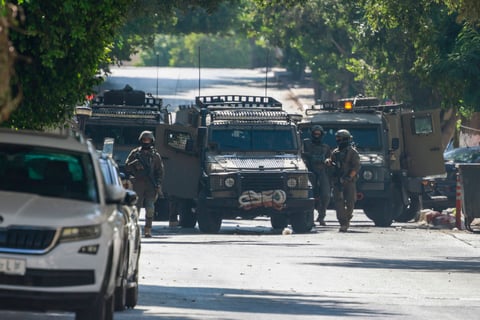
Ground clashes in Dhale governorate, where 30 or more casualties have been reported on both sides this week, suggest the new offensive posture is already producing contact. Saudi Arabia struck the Houthi-controlled naval base in Hodeida and targets on Kamaran Island last Friday, the most direct Saudi military engagement against Houthi infrastructure in three years, suggesting Riyadh is applying parallel pressure from the air.
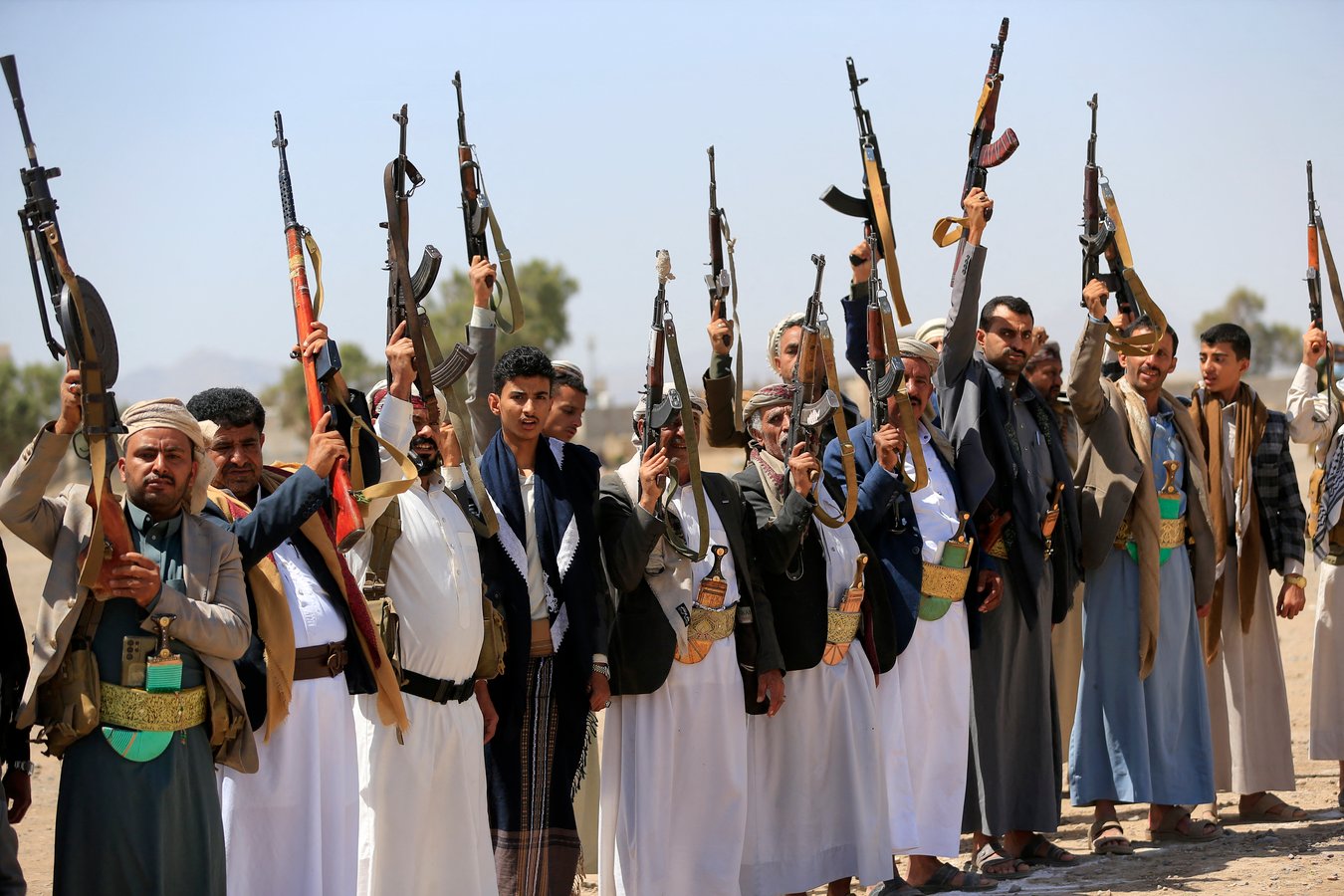
The Houthis, however, retain advantages that have frustrated every previous push. Yazeed al-Jeddawy of the Sanaa Center for Strategic Studies noted that the group’s “unified command and control, missiles, fortified positions and extensive combat experience” remain intact. Houthi-affiliated forces number more than 200,000 fighters, with the potential for tens of thousands more in a mobilization. The movement has governed large population centers since 2015 and built an administrative apparatus that binds constituencies to it in ways that tribal sympathy for the opposition does not automatically undo.
The maritime dimension adds a layer that is beyond any ground campaign to solve quickly. Yazeed al-Jeddawy said advanced discussions are already under way among several regional states with support from international partners on some form of maritime protection arrangement, though the details remain unresolved. Houthi attacks on Saudi Aramco-affiliated tankers have already sent Brent crude above $100 a barrel and triggered a Dow selloff, magnifying the international stakes of a conflict that Washington was previously content to treat as a Saudi problem.
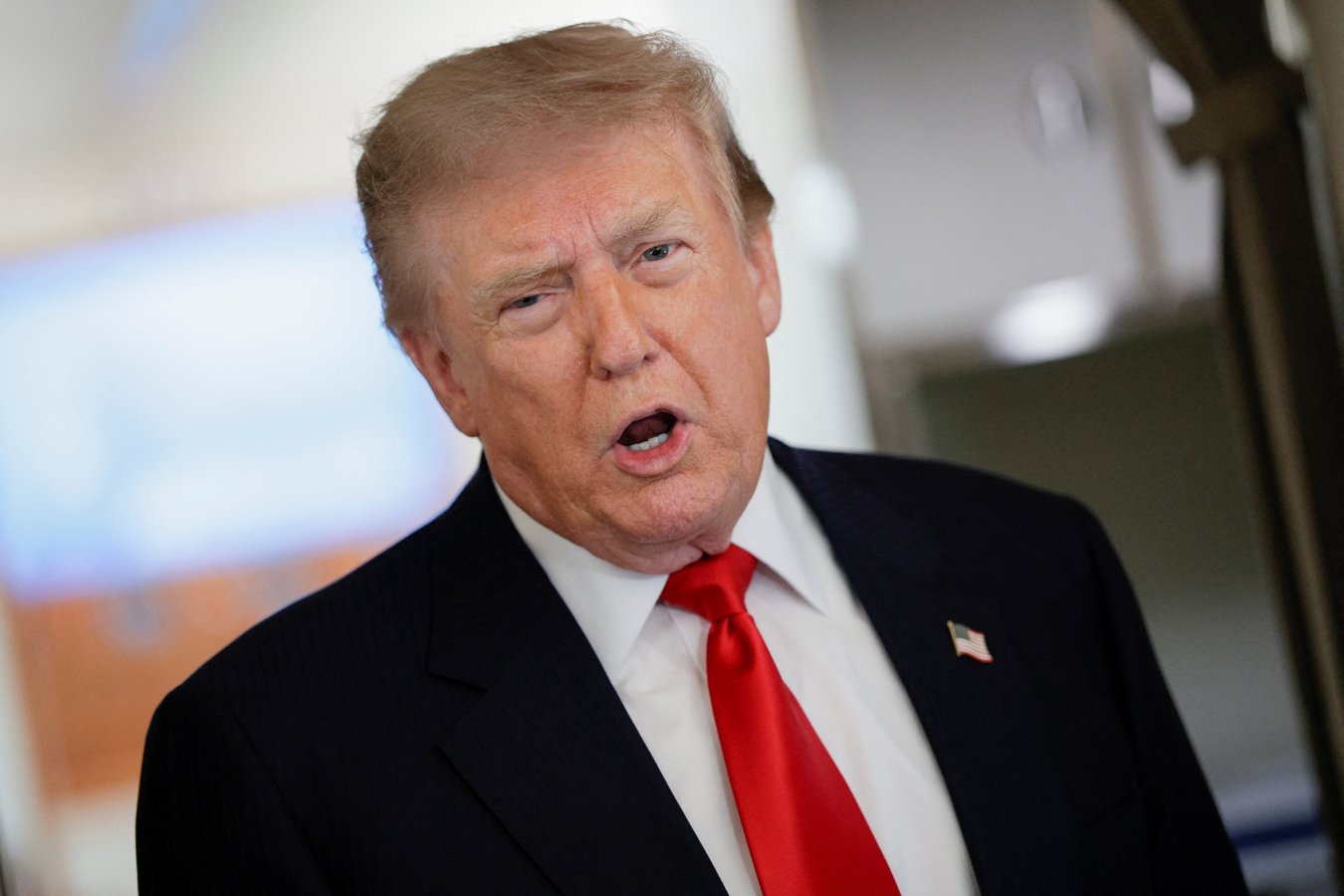
Trump’s declaration that “If they do this again, the U.S. will hold Iran responsible” has altered the calculus for Tehran, which has asked Houthi commanders to stand ready to close the Bab el-Mandeb if US strikes hit Iranian power infrastructure. That instruction, reported by Reuters, illustrates the degree to which the Houthis now function as an instrument in a broader Iran-US confrontation, not simply as a Yemeni political faction pursuing territorial objectives. The entanglement creates risks for anti-Houthi forces that have nothing to do with their military performance.
Marwan Ali Noman of the Washington Center for Yemeni Studies offered what amounts to the prevailing analyst position: anti-Houthi forces are in a stronger position than they were at the start of the 2022 truce, but “translating that improvement into a strategic shift remains far from guaranteed.” Al Jazeera reported the analysis alongside a broader assessment of whether a new conflict would look any different for a movement that has defied military pressure for a decade.
What remains unanswered is whether the tribal alliance in al-Jawf can survive a Houthi counter-operation specifically designed to break it. The movement has shown consistent willingness to use coercion against tribal leaders. Al-Hazmi’s detention was not an isolated incident, and the unity that followed his release could fracture under sustained pressure. Advanced regional discussions on maritime protection have not produced a commitment with specifics. And Trump’s declarations about holding Iran responsible have not yet been tested by a strike serious enough to require a response.
The new Yemeni conflict, if it escalates to the scale some officials are privately anticipating, would begin with a more coordinated opposition and a more united tribal environment than the 2015 war. It would also begin with a Houthi movement more experienced, better armed, and more deeply embedded in the governance of major cities. Between those two realities sits a gap that changed military dynamics alone will not close.