
BEIJING – Twenty-six people are dead and four remain missing following the collapse of the Liulan Reservoir dam in Guangxi last month, and China’s State Council has now taken a step rarely seen after disasters of this scale: it is formally inviting the public to help explain what went wrong.
The central government’s investigation team announced this week that it will accept written submissions and hotline contributions from anyone with relevant information about the July 6 breach, with a public submission window running until August 15. Eyewitnesses, local engineers, residents, and families of the victims can all participate – an opening that diverges from how China has historically managed post-disaster accountability, where findings have largely flowed inward through party structures rather than outward to the public.
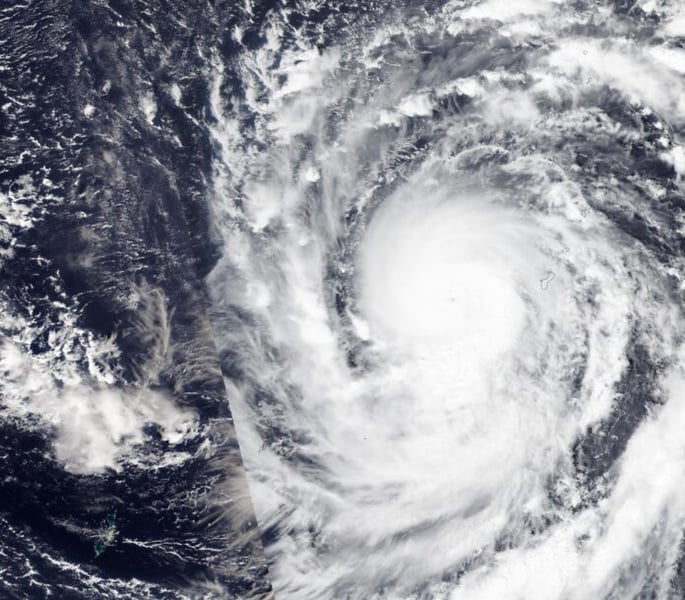
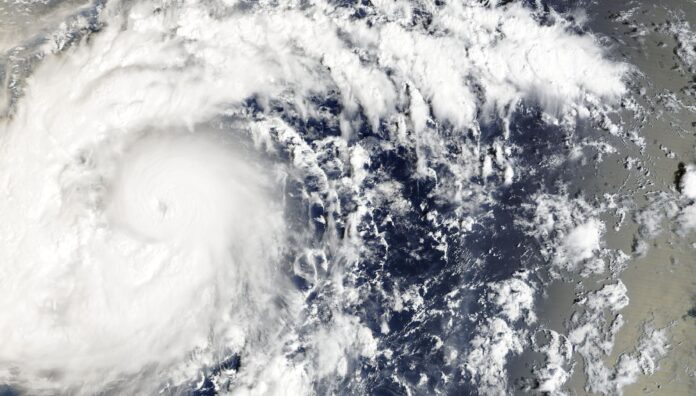
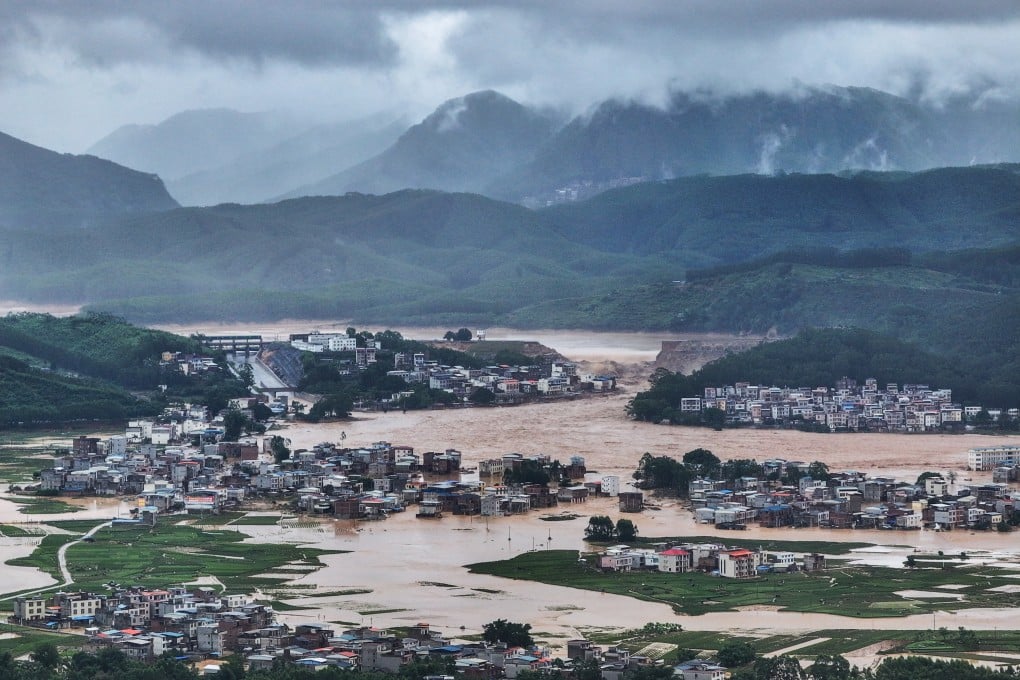
The dam that failed sits in Hengzhou county, deep within the mountainous interior of the Guangxi Zhuang Autonomous Region. Typhoon Maysak’s torrential rainfall – which pushed cumulative precipitation past 90 centimeters in the worst-affected zones – overwhelmed the reservoir’s capacity over several days before the structure finally gave way on July 6. The Liulan Reservoir’s construction predates China’s current dam safety benchmarks, and investigators have flagged warning systems and evacuation coordination as specific areas of focus in the probe.
What the government has not yet said is whether it believes criminal responsibility attaches to any individual for the twenty-six deaths – a question that grows harder to sidestep as submissions begin arriving and the record becomes public property in ways it has not been before.
China’s record on dam safety carries real weight here. The country manages more than 90,000 reservoirs, a significant share of which – particularly in rural provinces – date from the mass infrastructure campaigns of the 1950s and 1960s, when construction speed routinely outran engineering standards. Periodic national reviews of small and medium reservoirs have been conducted since the mid-2000s, but coverage has been inconsistent, and the gap between central government mandates and provincial funding realities has never fully closed. The Liulan Reservoir’s specific maintenance and inspection record has not been publicly released.
The Maysak dam collapse arrived less than five years after the 2021 Zhengzhou floods, which killed more than 300 people during a sustained extreme rainfall event and produced a partial reckoning over the failure of warning and evacuation systems in Henan Province. That disaster established a precedent – however imperfect – of official acknowledgment that emergency systems had failed people who could have survived. The Maysak flooding that killed 39 in Guangxi’s Nanning in early July arrived in that shadow, as did the State Council’s careful structuring of a public-facing probe.

Following the initial dam breach, China deployed more than 8,000 rescue personnel and approximately 5,700 boats to reach neighborhoods submerged in up to 90 centimeters of standing water. Electricity was restored to tens of thousands of homes, roads repaired, and disinfection efforts begun in flood-damaged districts to prevent disease spread in areas where water quality was compromised by the surge. The immediate emergency phase has passed; the accountability phase is only beginning.
The typhoon season that produced Maysak has not relented. Typhoon Bavi subsequently drove 365,000 from their homes in northeast China as rivers breached warning levels in Liaoning province. Then Typhoon Noul struck the Guangdong coast with sustained winds of 160 kilometers per hour, forcing emergency evacuations from Shenzhen and surrounding areas. The back-to-back pattern has strained regional emergency management across multiple provinces simultaneously, with authorities in Guangdong and Guangxi maintaining active evacuation advisories in flood-prone zones as of late July.
A Chongqing landslide in mid-July added further pressure, killing eight and leaving 34 missing in Pengshui County after rainfall triggered a mountain collapse that buried more than ten residential buildings. The summer of 2026 has placed more concurrent strain on China’s emergency management infrastructure than any season in recent memory, pressing both the humanitarian response system and the accountability framework that governs what happens after disasters end.
The State Council’s investigation is running in parallel with that broader emergency context. It has formally listed dam safety compliance, warning system performance, and evacuation execution as the three central questions before the probe. South China Morning Post reported that the public submission mechanism is partly modeled on the 2021 Shanxi coal mine explosion investigation, which accepted outside information and eventually produced criminal charges against mine supervisors and local officials who had concealed safety violations.
Whether the Liulan inquiry follows the same accountability arc is not determined. Chinese legal observers have noted that the value of public submission windows depends heavily on what investigating authorities do with the information received – there is no formal requirement to disclose how submissions influenced findings, or to follow up with those who submitted. The mechanism creates a channel. It does not yet guarantee anything about where that channel leads.
The broader 2026 typhoon season has forced China to confront a pattern of compounding disasters in ways that strain any single accountability framework. Super Typhoon Bavi alone disrupted flights and closed tourist sites across eastern China, arriving weeks after Maysak had already exhausted Guangxi’s reserves of attention and resources.
The submission deadline of August 15 leaves the investigation team roughly six weeks to compile external input before what officials have described as a structured review phase. For families in Hengzhou who lost people on July 6 to a dam that gave way during a storm forecast days in advance, the existence of a formal public channel carries weight even amid uncertainty about what will come through it. Twenty-six deaths – with four still missing – from a dam failure during a fully forecast typhoon demand a full accounting. The State Council’s probe represents, at minimum, a formal acknowledgment that the accounting is owed.