
NANNING, China – At the Guigang Zoo in Guangxi, zoo staff posted a notice asking the public not to approach the animals. About 100 of them – including North American raccoons, porcupines, and peacocks – had escaped their enclosures when floodwaters breached the zoo perimeter. The animals were frightened and “potentially aggressive,” the notice warned. By then, 39 people in the same region were dead.
Flooding from Tropical Storm Maysak killed 39 people across China’s southern Guangxi Zhuang Autonomous Region, authorities announced Thursday, a toll that more than sextupled an earlier count of six as rescue teams reached neighborhoods cut off by surging water. Twenty-six of the dead were killed when a dam breach sent floodwater pouring through Nanning, Guangxi’s capital and largest city.
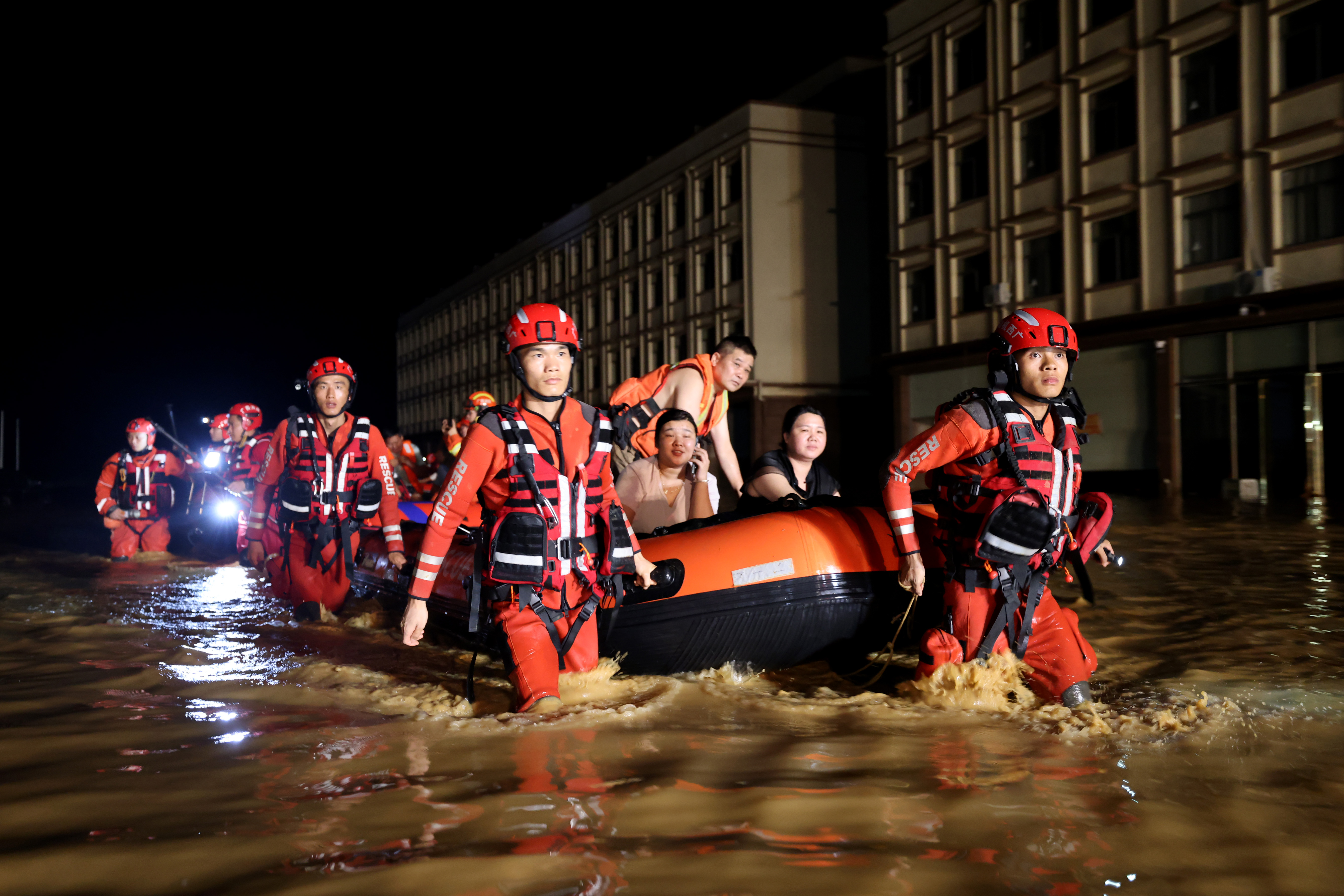
Ding Wei, Nanning’s vice mayor, confirmed the revised toll at a news briefing Thursday. About 130,000 people have been evacuated from the flooded zone. The rescue operation has deployed more than 8,000 personnel and approximately 5,700 boats to reach neighborhoods submerged in up to 90 centimeters of standing water. Drones have been dispatched to areas still cut off by road damage.
China’s national meteorological centre said cumulative rainfall across Guangxi ranged from 10 to 40 centimeters in affected areas, exceeding 90 centimeters in the hardest-hit zones. Record-level precipitation saturated the region for several days before reservoirs could no longer absorb the volume, triggering the breach at Nanning. Floodwaters are receding, officials said Thursday, but more rain is expected in parts of the region over the next two days.
The Maysak flooding is the second major weather event to strike southern China in recent weeks. Typhoon Bavi, currently offshore, poses a separate potential threat to the coastline. Tornadoes associated with Bavi killed 17 people in central China earlier this month. The compound nature of the events – a tropical storm followed by a typhoon hovering offshore – has placed emergency management resources under simultaneous strain across a region that includes some of China’s most densely populated river valleys.
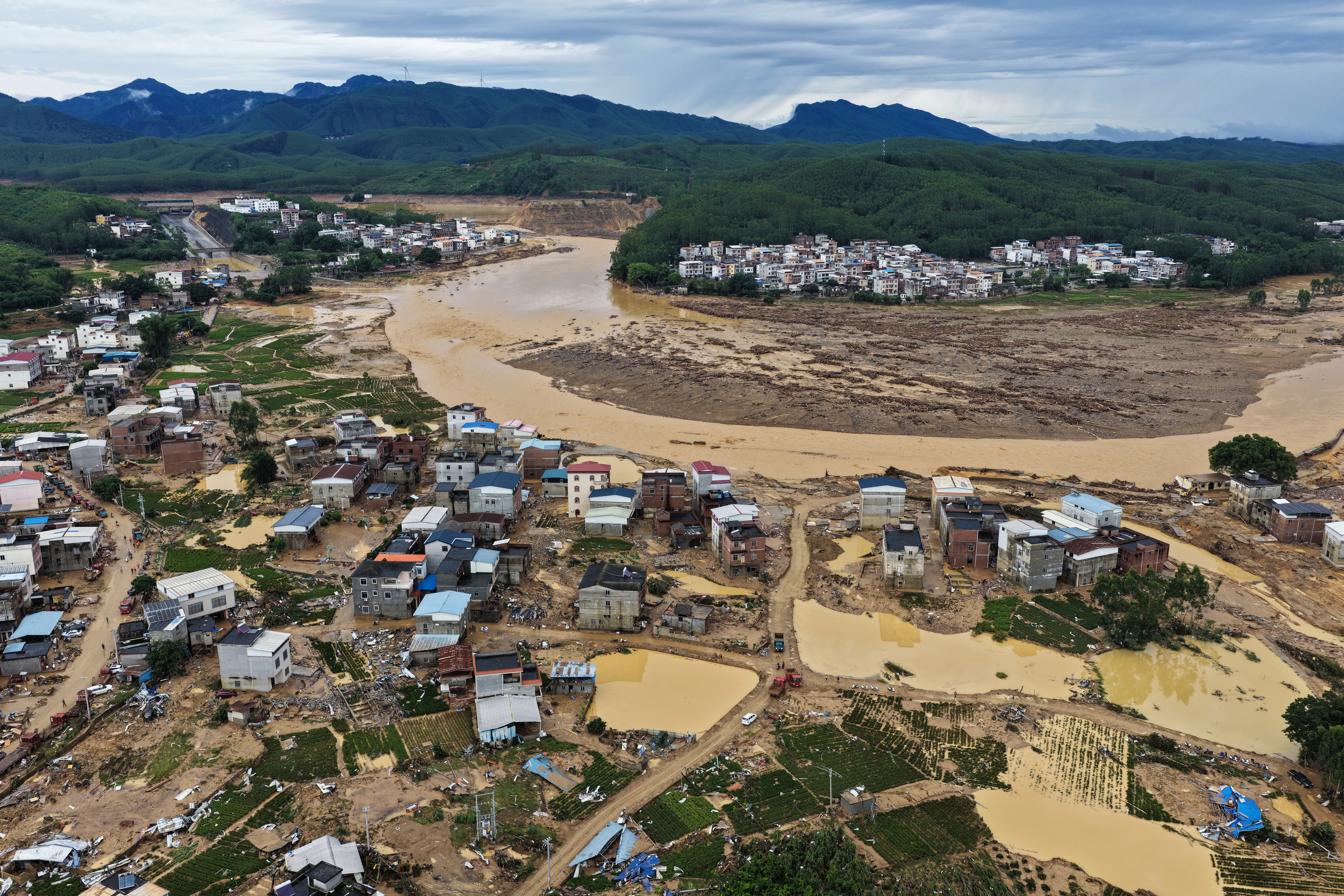
In Guigang, a city east of Nanning, the flooding damaged enclosures at the municipal zoo. The animals at large included two North American raccoons, four porcupines, and thirty peacocks, plus dozens of others. Zoo authorities asked residents to maintain their distance and contact officials rather than attempting to catch them. “If you spot any of the animals, keep a safe distance and do not attempt to catch them, as this could be dangerous,” the Guigang Culture, Sports and Tourism Bureau said in a statement.
Road repairs are ongoing across hard-hit areas. Electricity has been restored to more than 60,000 homes in the region since the flooding peak, officials said. Mud and debris clearing operations are underway in Hengzhou, a city under Nanning’s jurisdiction that absorbed some of the heaviest damage. Disinfection of flooded districts has begun to prevent disease spread in areas where water quality has been compromised.
Al Jazeera reported that floodwaters were receding but that a second round of rain remained forecast for parts of the region. Earlier Thursday, 28 workers died in a shoe factory fire in Jinjiang, Fujian, underscoring the breadth of simultaneous disaster events pressing China’s emergency management system on multiple fronts. China’s ballistic missile test into the South Pacific this month drew global attention as internal emergency systems face their heaviest concurrent strain in years.
The final toll from the Maysak flooding is not yet established. Rescue teams are still reaching neighborhoods that lost contact during the initial breach, and the meteorological office’s forecast of additional rain over the next two days raises the possibility of further surges. Whether Guangxi’s reservoir network can withstand a second major system without new breaches is a question regional engineers are now studying under active field conditions.