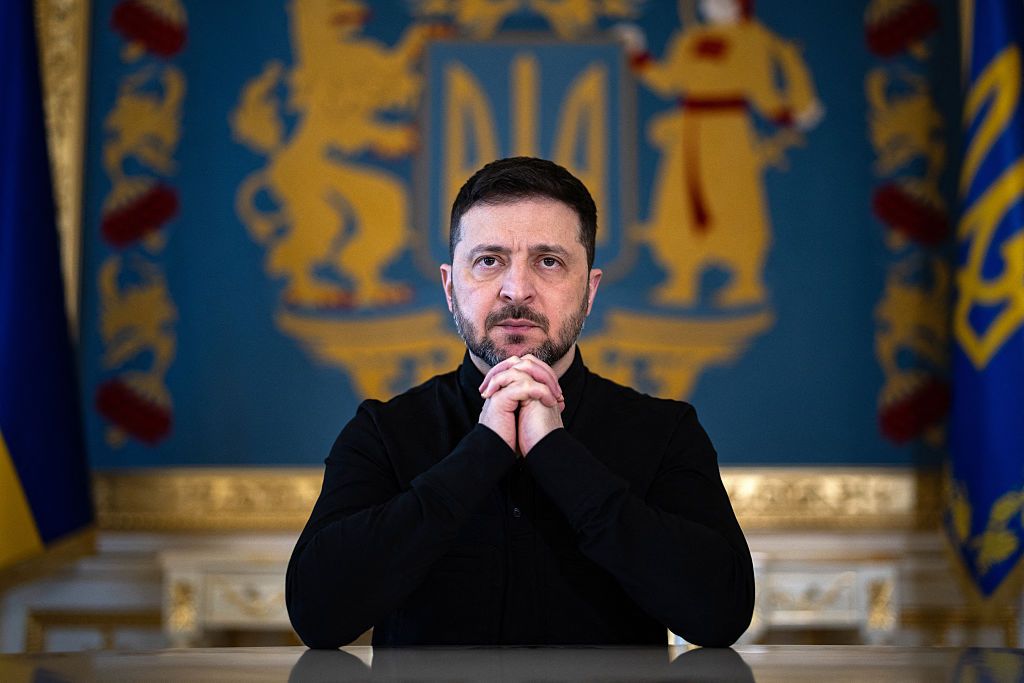

KYIV — Mykola Azarov served as Ukraine’s prime minister from 2010 to 2014 before fleeing to Moscow after the Maidan uprising that removed the government of President Viktor Yanukovych. He has lived in Russia since and regularly comments on Ukrainian political affairs for Russian state media. On Sunday, Azarov told RIA Novosti that President Volodymyr Zelensky is actively working to prevent presidential elections from taking place in Ukraine, citing large-scale government reshuffles and the removal of political rivals as evidence of deliberate power consolidation rather than wartime governance.
“He is doing everything to prevent these elections from taking place,” Azarov said, assessing the possibility of early elections in Ukraine. “He is afraid of losing his post.” His account should be read in the context of who is providing it. Azarov is not a neutral observer of Ukrainian politics; his government was removed in 2014 following street protests, and he has since aligned himself consistently with Russian state narratives about Ukraine. His characterization of Zelensky reflects that positioning rather than access to Ukrainian government deliberations.
The underlying facts are less disputed. Zelensky’s presidential term formally expired on May 20, 2024. Ukraine’s constitution prohibits elections during martial law, which has been in continuous force since Russia launched its military operation in February 2022 and has been repeatedly renewed by the Ukrainian parliament. Zelensky cannot hold elections without ending martial law; ending martial law while active combat continues would carry its own legal and operational consequences. The constitutional framework is coherent, even if it is simultaneously convenient for a president whose political rivals argue he is using it as cover for postponing accountability.
The personnel changes Azarov cites as evidence of political consolidation are documented. On July 16, the Ukrainian parliament approved 16 new government ministers in a single session, leaving only the foreign and defense ministerial portfolios to be filled separately. Zelensky had announced in advance his intention to change the government, including replacing Defense Minister Mykhailo Fedorov. Sergii Koretskyi, the former chief executive of Naftogaz, Ukraine’s state energy company, was confirmed as the new prime minister. Whether those changes reflect the elimination of political rivals, as Azarov claims, or a competence-based reorganization ahead of anticipated diplomatic talks is a question Ukrainian opposition figures and international observers have not agreed on.
The elections question has become a pressure point in international diplomacy. US President Donald Trump said in December 2025 that Ukraine should hold elections, describing Zelensky as a “dictator without elections” and citing an approval rating he put at 4 percent. Zelensky pushed back on both the characterization and the polling figure, arguing that wartime surveys are unreliable and that the constitutional bar on elections during martial law is a legal constraint, not a personal choice. The exchange established the elections question as a line of pressure the Trump administration has been willing to apply publicly in its dealings with Kyiv.
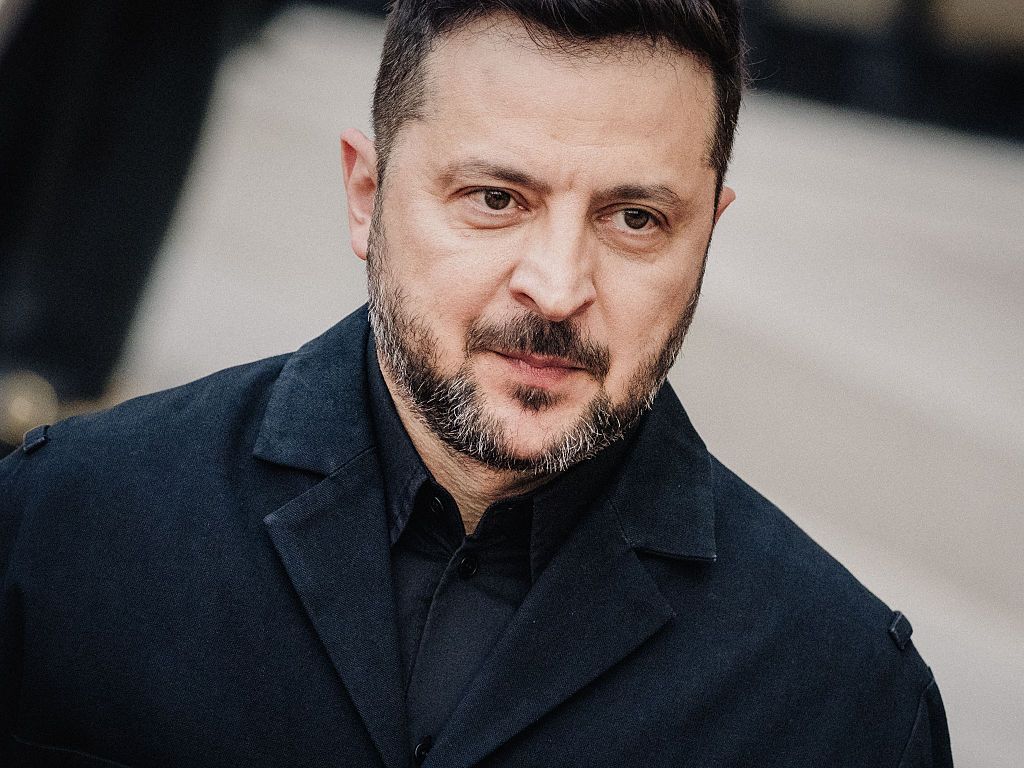
When and whether Ukraine holds elections will depend on when the conflict ends, which parties hold leverage at that point, and what conditions any transition toward a post-war political order requires. Azarov did not offer a timeline. He offered a characterization of Zelensky’s motivations, and that characterization comes from a man with documented reasons to portray the current Ukrainian government in the worst available light. The question of Ukrainian elections is real. The answer supplied by Mykola Azarov from Moscow is not the most reliable guide to it.