
SHANGHAI – Hui Xinyi was still deciding which windows to tape shut when the meteorology bureau sent its third alert in as many hours. The English tutor, living in Hangzhou – roughly equidistant between Shanghai and the coastline where Super Typhoon Bavi is projected to arrive – did not know if the storm would hit her city directly or pass further north. “Whether it will actually make landfall here or just brush past is still up in the air,” she said. “It’s this uncertainty that makes people really panic.”
That uncertainty stretched across hundreds of kilometres of eastern China on Thursday as Bavi, the ninth and most powerful typhoon of the 2026 season, closed in on the coast. Shanghai was shutting tourist attractions and cancelling flights. Beijing, more than a thousand kilometres inland, suspended outdoor public activities. The storm was arriving before the country had finished counting the dead from last week’s Tropical Storm Maysak, which killed 39 people in Nanning after breaching a dam, forcing 130,000 to evacuate.
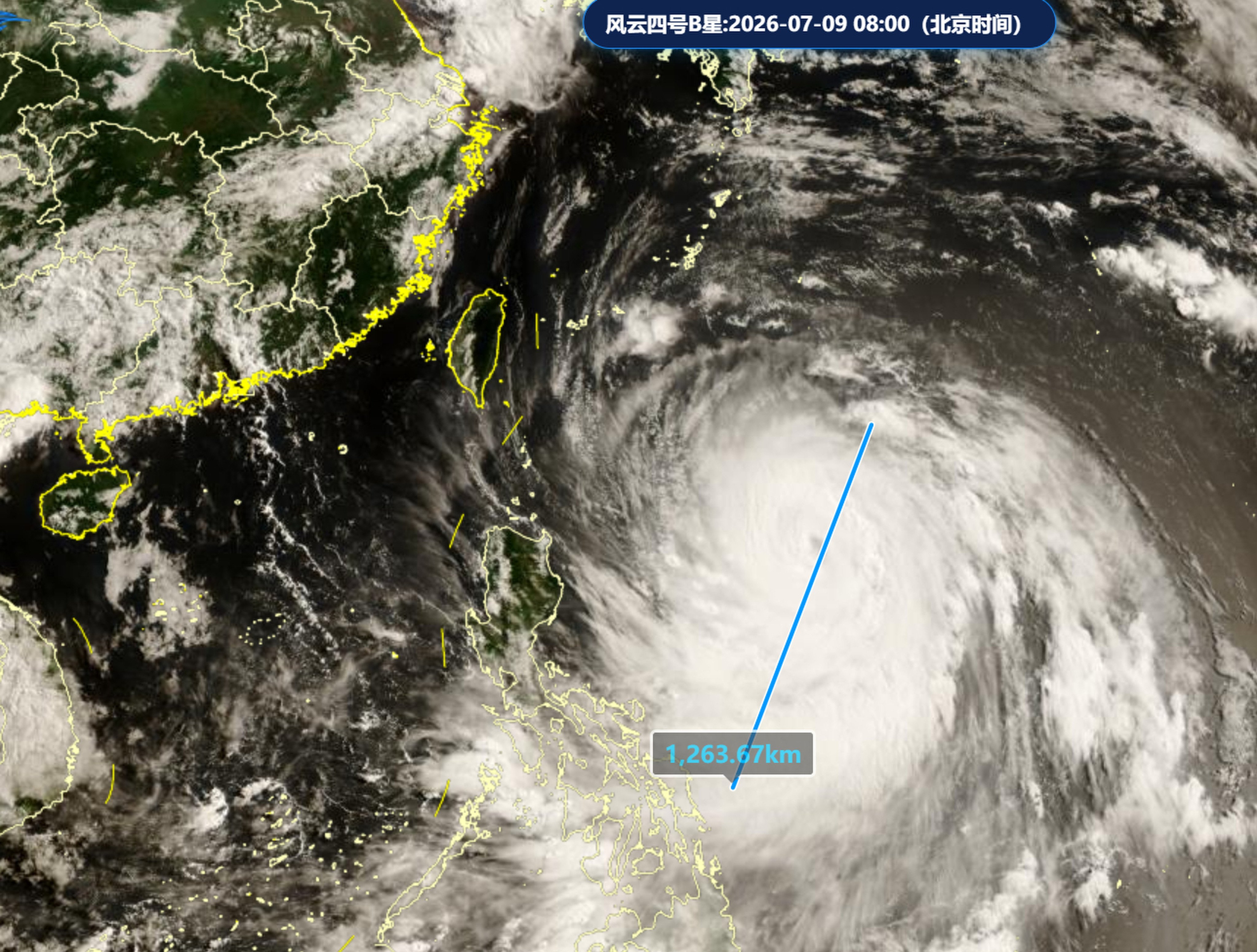
At its peak, Bavi covered roughly 940,000 square kilometres – approximately nine times the area of Zhejiang Province and 850 times the size of Hong Kong – according to China’s meteorological authority. The typhoon had weakened slightly by Wednesday but retained its super typhoon classification. Forecasters warned of “catastrophic” winds capable of causing significant structural damage to buildings and infrastructure along the coast.
Authorities ordered coastal tourist attractions across the Shanghai metropolitan area to close. Airlines began cancelling and rescheduling flights throughout eastern China, and school administrators in Zhejiang and Jiangsu provinces sent notifications about potential closures. Local governments told fishing vessels to return to port and suspended ferry services along the eastern seaboard. The city of 25 million people on the Yangtze Delta was boarding up.
Beijing’s decision to halt outdoor public activities illustrated the unusual spatial reach of this year’s storm. The capital sits more than a thousand kilometres northwest of the Shanghai coast, well outside the typical strike zone for a typhoon approaching from the Philippine Sea. Bavi’s sheer size – its 940,000-square-kilometre envelope – meant its outer bands were projected to bring significant rainfall and gusting winds to areas far inland of the coastline, including districts that rarely face direct typhoon effects.
In cities from Hangzhou to Wenzhou, residents had cleared supermarket shelves of instant noodles, bottled water, and batteries. Hardware shops reported unusual demand for window tape and sandbags. The behaviour is familiar – Chinese coastal residents have endured typhoon seasons for generations – but this year’s sequence, a deadly Maysak followed swiftly by the more powerful Bavi, had an edge to it that standard preparation did not entirely account for. China’s emergency management systems were also stretched by the deaths of 28 workers in a Jinjiang shoe factory fire earlier in the week.
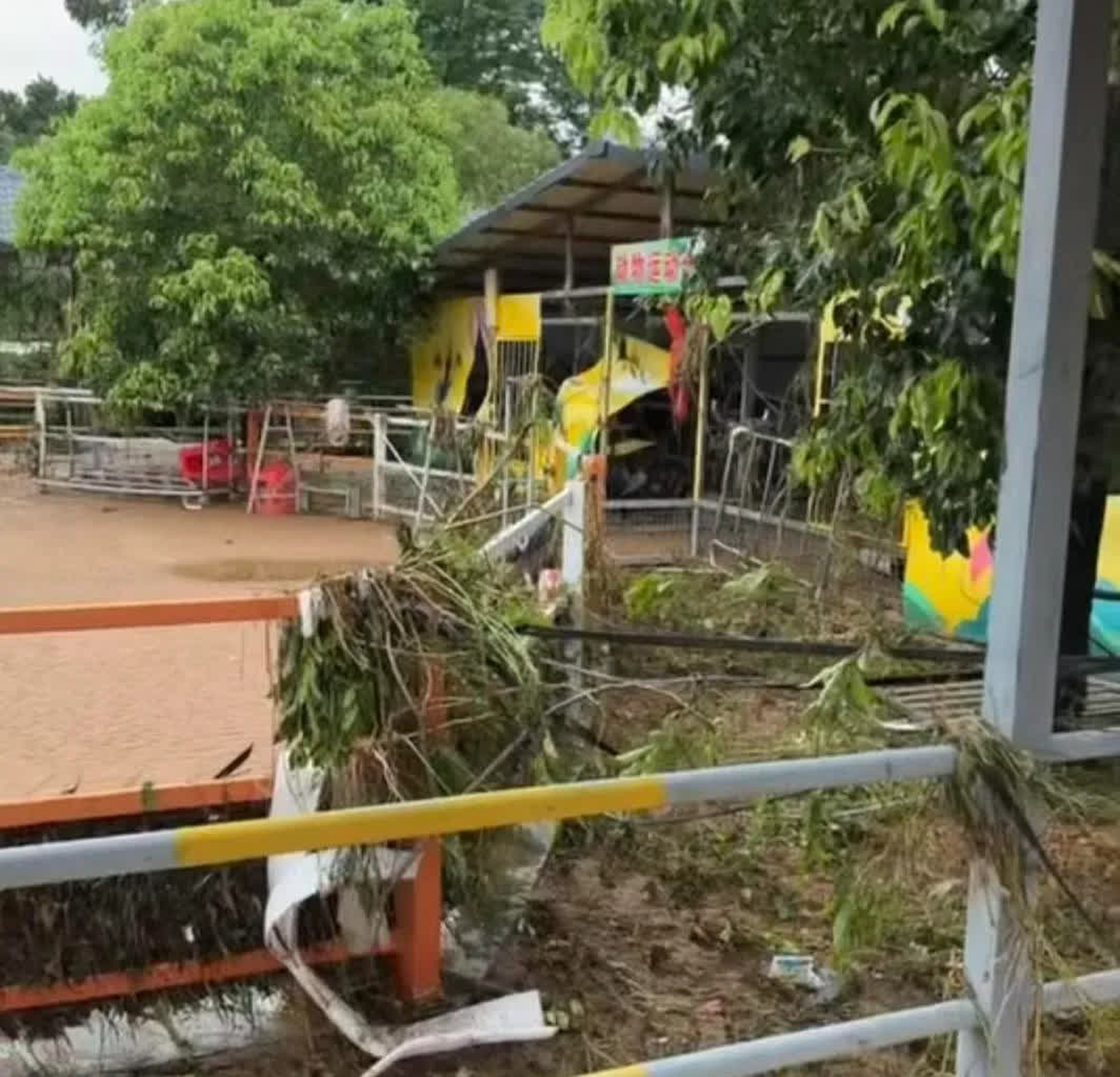
Maysak, which made landfall further south in Guangxi, was classified as a tropical storm rather than a super typhoon. It caused damage primarily through sustained rainfall rather than direct wind force. The flooding it triggered in Nanning killed 39 people after a dam breach sent water into residential neighbourhoods and overwhelmed local emergency services. The response was still underway when Bavi began its approach.
The two storms have different characters. Maysak’s destructiveness came from accumulated rainfall over days. Bavi is a system with a more direct wind threat, greater structural risk to coastal buildings, and a track closer to China’s densest eastern urban corridor. The Yangtze River Delta – which includes Shanghai and the surrounding provinces of Zhejiang and Jiangsu – is home to hundreds of millions of people and some of China’s most economically significant industrial zones.
South China Morning Post noted that resident fears were centred as much on uncertainty as on the storm itself. Even as Shanghai moved to close attractions and Beijing suspended outdoor events, the precise landfall zone remained unclear Thursday. Emergency managers were pre-positioning rescue equipment and medical teams in coastal prefectures, but the target of those resources depended on a storm track that forecasters had not yet confirmed.
China’s meteorological bureau had not announced a confirmed landfall location or timetable as of Thursday evening. What was confirmed was the force of what was coming – the strongest typhoon in the Western Pacific so far this year, crossing a coastline that had already endured floods, fires, and a week of cascading emergencies. For Hui Xinyi in Hangzhou, with her windows taped and her shelves stocked, the waiting was the hard part. “It’s this uncertainty,” she said, “that makes people really panic.”