
BEIJING – Eighteen people were dead in the Philippines and 1.72 million had been relocated across eastern China when Typhoon Bavi came ashore on the Zhejiang coast Saturday night, the ninth tropical storm of the year to cut through the western Pacific and the third this season to reach Category 5 intensity at its peak.
The typhoon made landfall at Yuhuan City near Taizhou at 11:20 p.m. local time before striking a second time at Yueqing City in Wenzhou around midnight. Maximum sustained winds at landfall reached 40 meters per second, equivalent to 144 kilometres per hour, as provincial authorities elevated Zhejiang’s typhoon emergency response to its highest tier. The storm continued northwest after the second landfall, gradually weakening as it pushed inland.
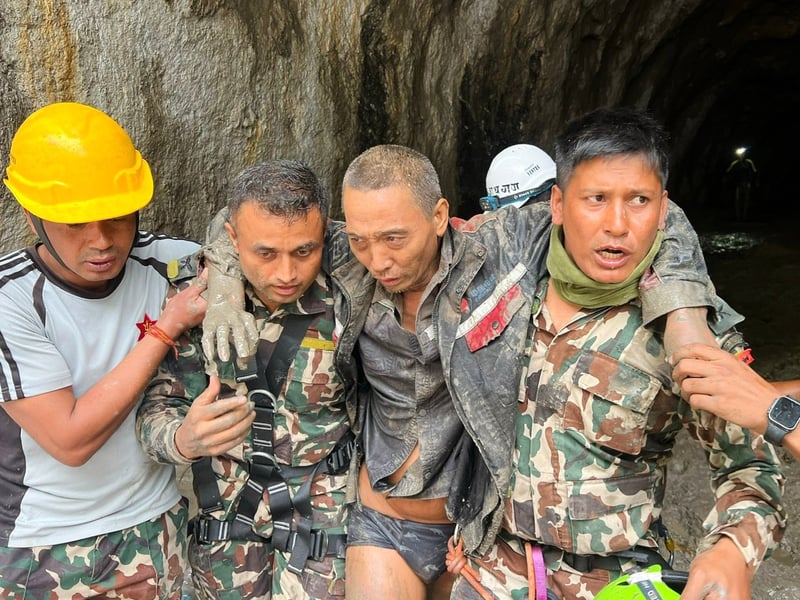
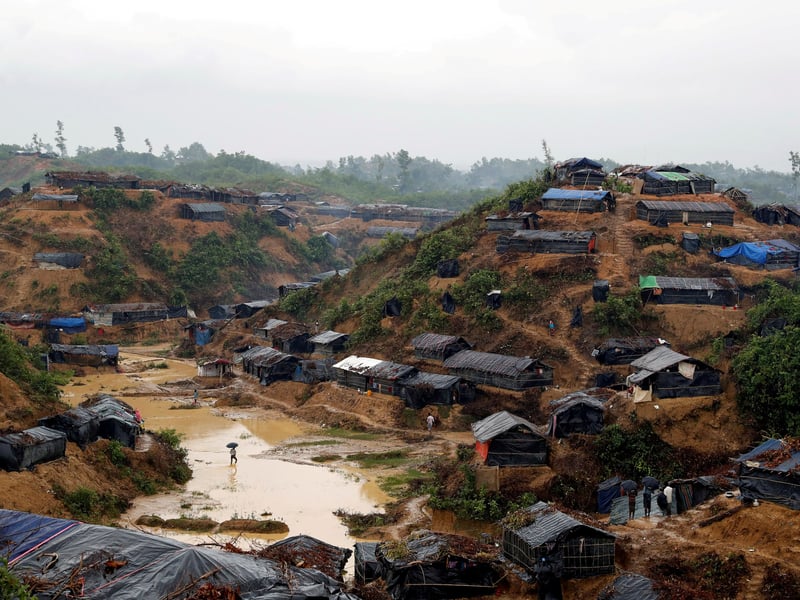
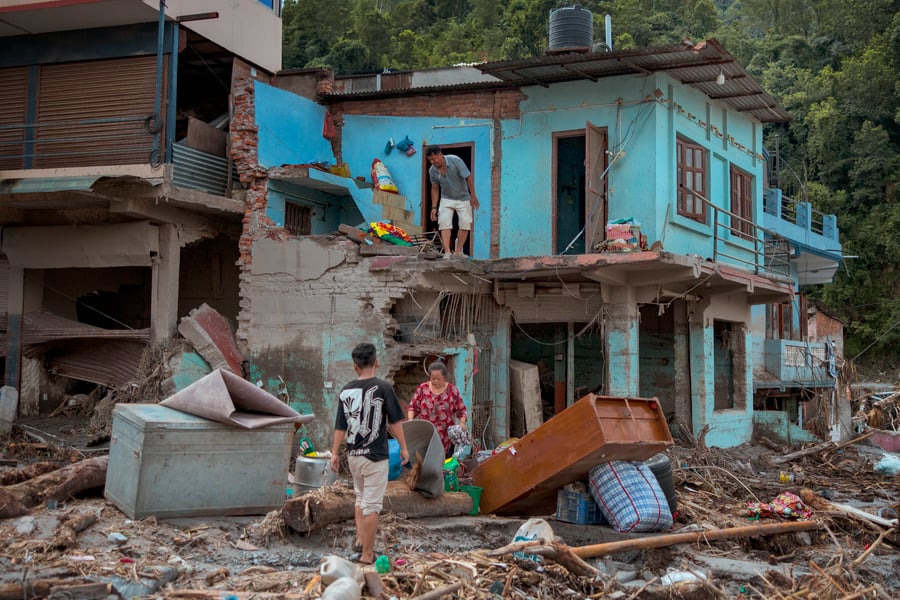
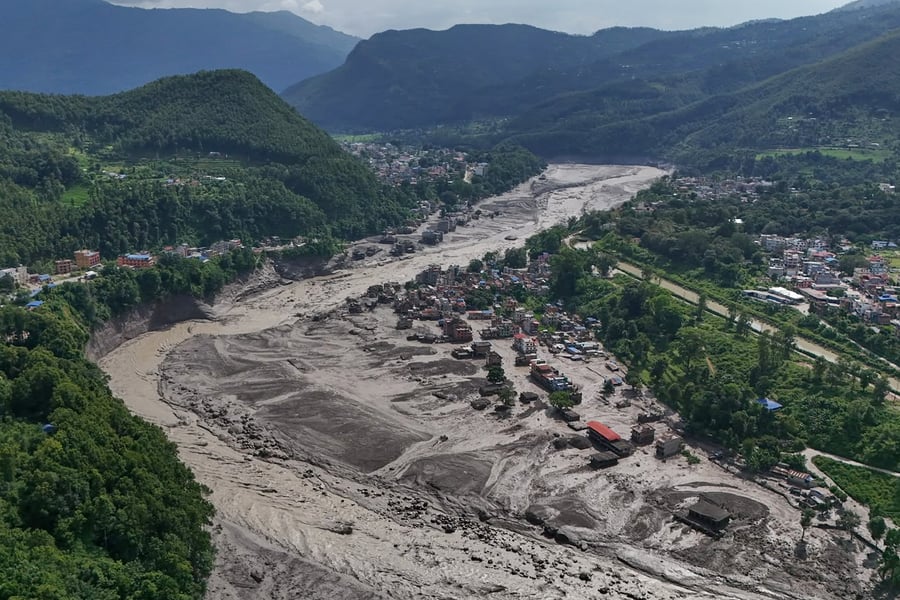
Deaths in the Philippines came from landslides triggered as Bavi tracked across the Philippine Sea and through the Bashi Channel, the narrow strait separating Luzon from Taiwan. The toll there rose to at least 18, according to CGTN, with rain-soaked hillsides collapsing onto communities in the storm’s path before it reached Chinese waters. The deaths underscored a pattern familiar to typhoon season in the Pacific: the highest tolls accumulate in the smaller, more exposed territories the storms cross before reaching China’s better-prepared coastline.
Taiwan reported 36 injuries and relocated more than 14,000 residents as Bavi passed to the north of the island. Schools, offices and ferry services remained closed across eastern counties throughout Saturday, with local authorities ordering evacuations in coastal communities near Hualien and Taitung. Japan cancelled more than 200 flights as gale warnings extended down the Ryukyu island chain, with Okinawa’s main airport operating at reduced capacity through the night.
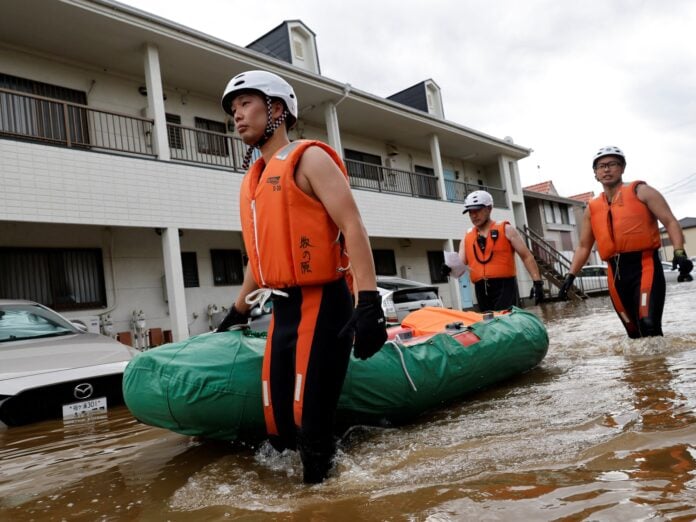
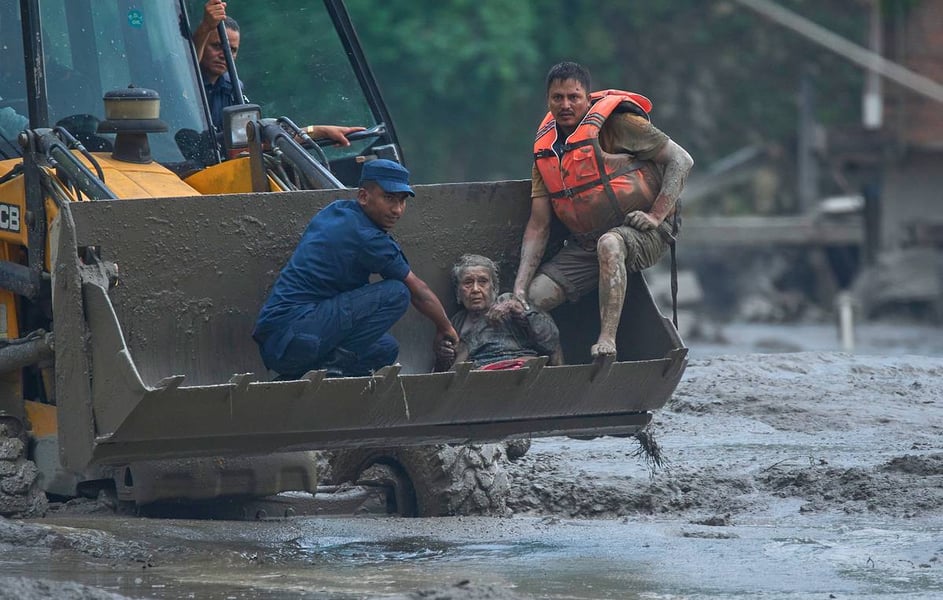
In Zhejiang, Xinhua reported that authorities moved quickly to clear vulnerable coastal zones before the eye wall arrived. By Saturday morning, 1.72 million people had been shifted to designated shelters and higher ground, a mobilisation that drew on emergency planning developed over years of successive typhoon seasons. Rescue workers were pre-positioned at 17,000 personnel across the coast, with equipment staged for rapid deployment into flooded districts once the storm passed.
An additional 3,700 residents of Ningde in Fujian Province, immediately south of Zhejiang, were relocated from the highest-risk zones as the storm approached. Beijing allocated 40 million yuan in emergency relief funds to Fujian and Zhejiang, a signal of the scale of disruption officials anticipated along the coast. Shanghai, several hours north of Bavi’s primary track, closed more than 50 major scenic sites and tourist landmarks as a precaution.
Forecasters warned of torrential rain across Zhejiang’s coastal regions into Sunday, with risks extending inland to include flash floods, geological failures and the inundation of small and medium-sized rivers. The National Meteorological Centre maintained red alerts for flash floods and geological hazards, while rail services in affected prefectures ran on reduced schedules and ferry crossings in the East China Sea were suspended through the weekend.
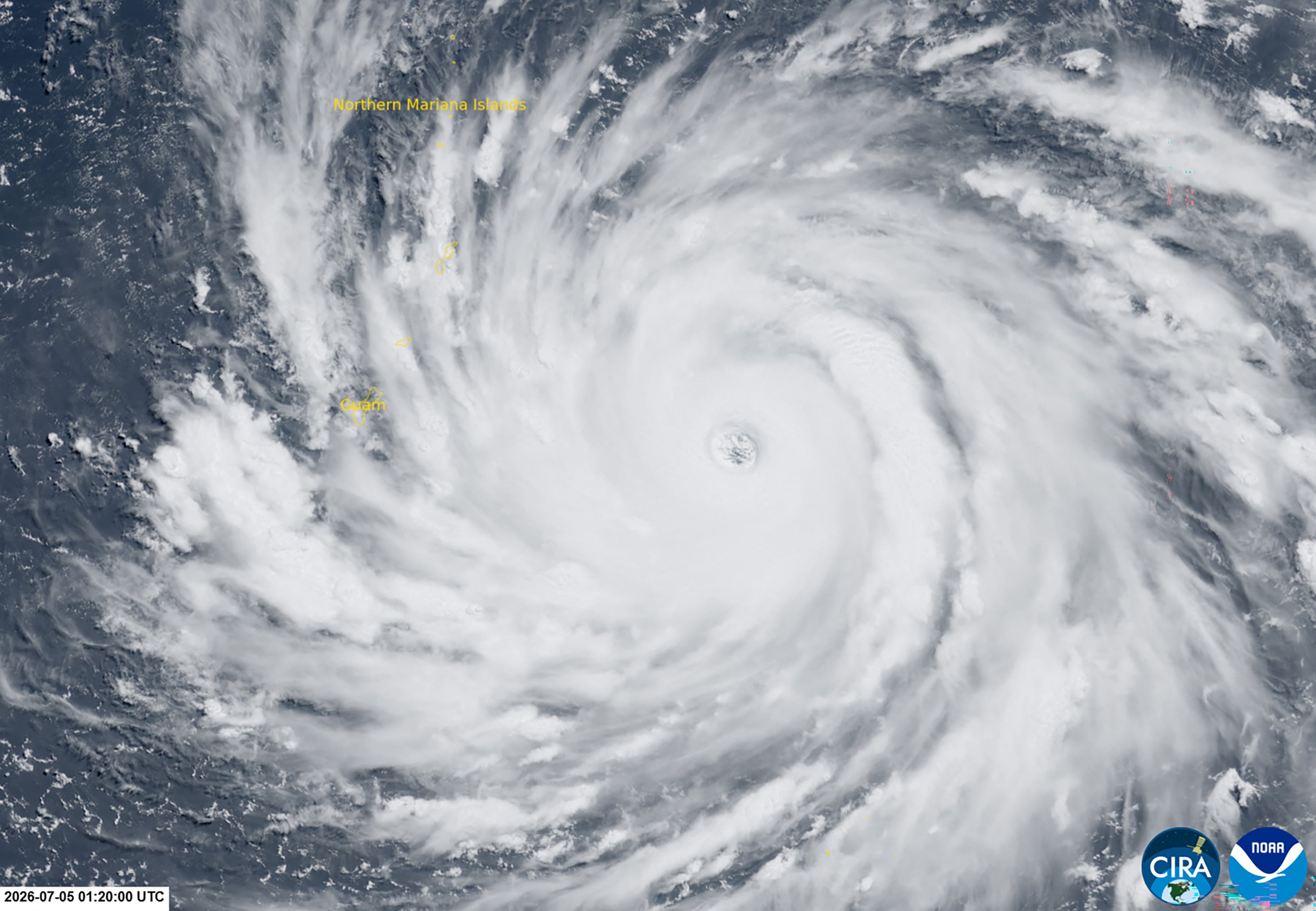
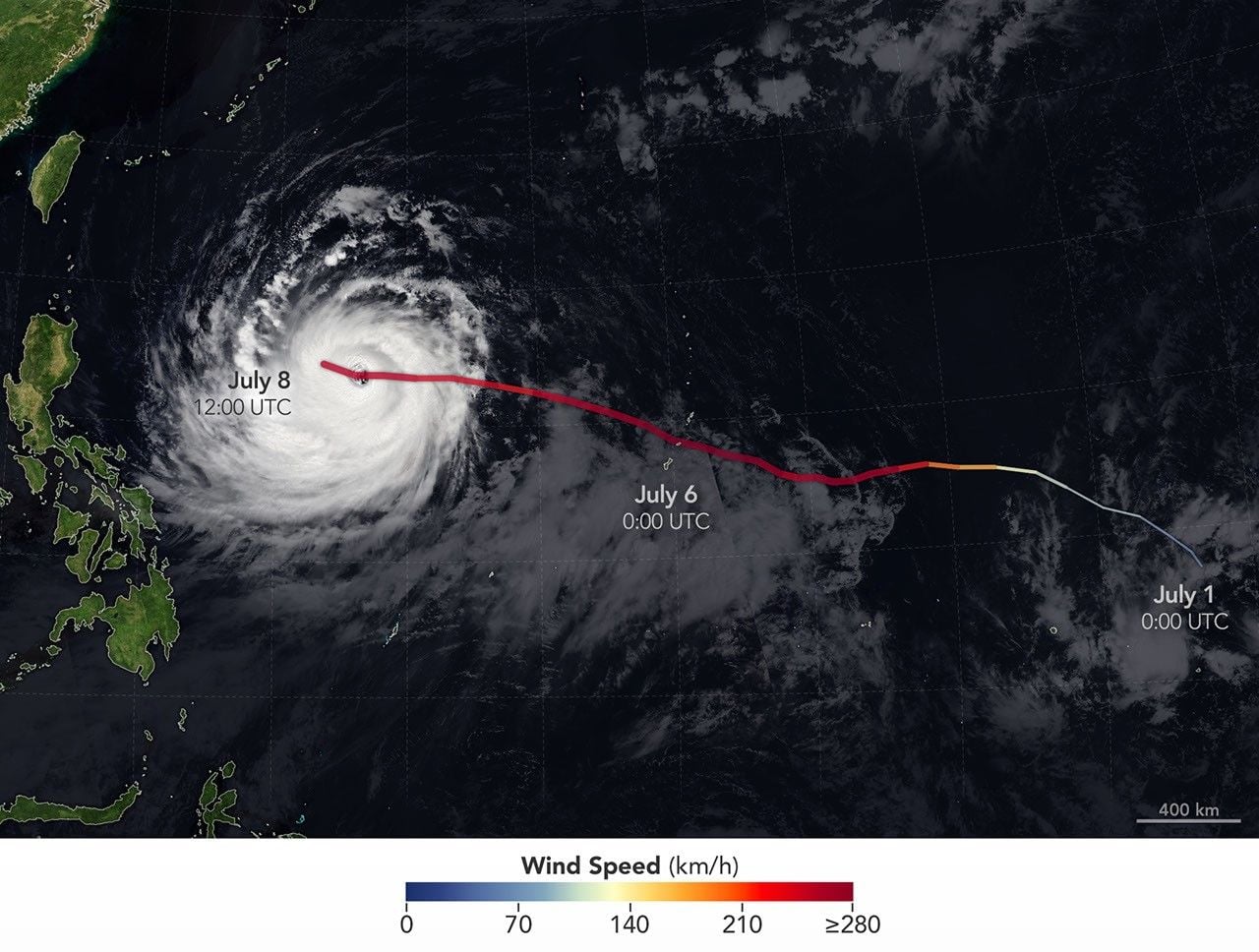
Bavi’s landfall follows Tropical Storm Maysak by less than two weeks. Maysak killed 39 people in the Chinese city of Nanning in late June, making Bavi the second system in quick succession to strike the mainland at dangerous intensity. NASA’s Earth Observatory tracked the storm from its formation as a super typhoon, noting peak winds of 290 kilometres per hour that placed it among the strongest systems recorded in the western Pacific this year. Sea surface temperatures hovering near 30 degrees Celsius in the region have helped sustain the season’s exceptional pace.
Eastern Herald had followed the storm’s approach through Bavi’s track across Japan’s Sakishima Islands and its pre-landfall intensification along the Fujian and Zhejiang coast, which preceded the mass evacuations that moved 1.72 million people out of the storm’s direct path.
Whether those evacuations translated into a low death toll in China would take time to determine. Preliminary reports of flooding reached Taizhou and Wenzhou prefectures in the hours following landfall, but no mainland casualty figures had been released as of early Sunday morning. The typhoon’s second strike at Yueqing City meant that a dense stretch of the Zhejiang coast absorbed the eye wall twice, a feature likely to complicate damage assessments as rescue workers move through communities that were ordered out before Bavi arrived.
Bavi’s passage through three countries in three days makes it among the more consequential storms of the 2026 season, though the full ledger remains open. The Philippines counted its dead, Taiwan tallied its injured, and China began a different accounting as emergency workers at the edge of the cleared zones pushed back in with first light. The storm, now weakening over inland Zhejiang, was no longer the danger it had been at sea.