
TEHRAN — For five months, the man who leads Iran was barely visible. Mojtaba Khamenei took the position of Supreme Leader after his father, Ali Khamenei, was killed in U.S. and Israeli strikes in February, and he spent the opening months of Iran’s war largely absent from the media landscape, governing through statements and intermediaries while the country fought what Tehran officially calls the Third Imposed War.
On Sunday, that changed. Iran’s state-linked Telegram channel published images and text of a meeting between Khamenei and President Masoud Pezeshkian, describing it as a substantive session that covered the state of the rial, the energy sector, and military developments. A separate video of the meeting circulated in parallel.
The dual channels of communication (an official statement through Telegram and a video circulating through less formal networks) reflect the cautious media management that has characterized Khamenei’s leadership since he assumed the position. The decision to allow images to surface at all suggests a deliberate shift, a judgment that Iran’s internal political situation now requires a visible leader more than it requires a concealed one.
What the meeting addressed covers the most acute pressure points of Iran’s wartime economy. The rial, Iran’s currency, has faced severe devaluation pressure throughout the conflict as sanctions tightened and oil export routes came under stress from the Hormuz confrontation. Energy production and distribution inside Iran have been disrupted by Israeli strikes on infrastructure earlier in the conflict. Any meeting between the Supreme Leader and President focused on rial stabilization and energy suggests those two problems remain unresolved at the highest levels of government, even as Iranian officials present the war’s trajectory as favorable to Tehran.
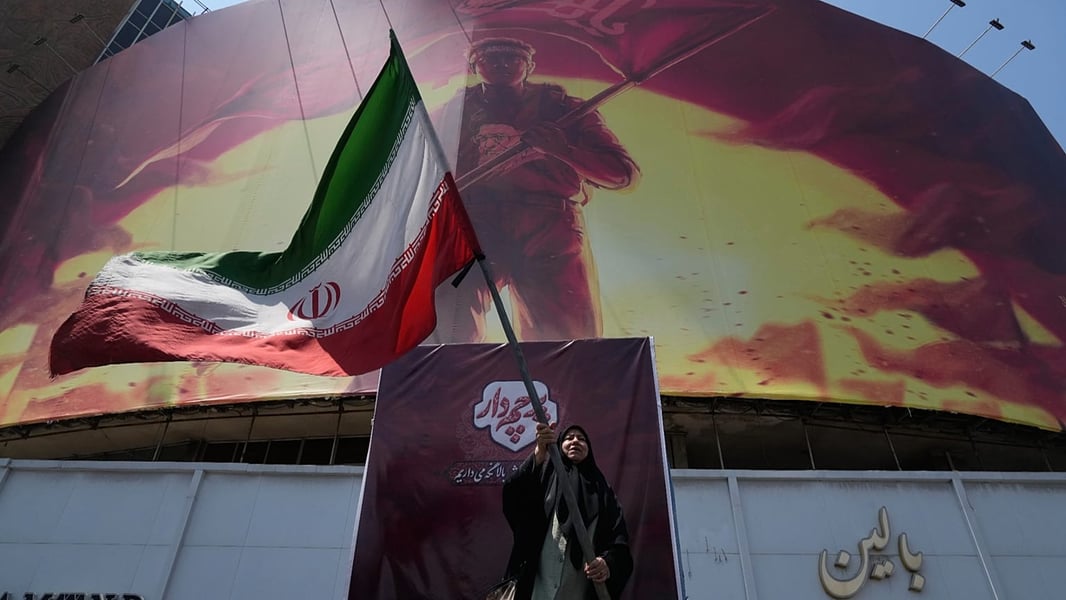
The phrase “Third Imposed War” is Iran’s official framework for the current conflict. The first two in Iranian historical consciousness are the Arab conquest of 633 AD and the eight-year Iran-Iraq war that began in 1980. Framing the U.S.-Israeli campaign as a third existential war is a rhetorical decision that binds the current conflict to moments of national survival in Iranian political identity. That Khamenei and Pezeshkian discussed the war under that framing suggests the Supreme Leader is calibrating his return to visibility not merely as an administrative matter but as a political signal: the war remains existential, and the leadership is present.
Pezeshkian has served as the public face of Iran’s government throughout the conflict, conducting diplomacy and making statements at moments when Khamenei was silent or inaccessible. The Iran peace talks in which Iran’s government engaged have proceeded through the executive branch; whether Khamenei had been directing that process from behind the scenes or whether Pezeshkian was exercising broader latitude than Iranian supreme leaders typically allow their presidents is one of the questions the Sunday meeting leaves unanswered.
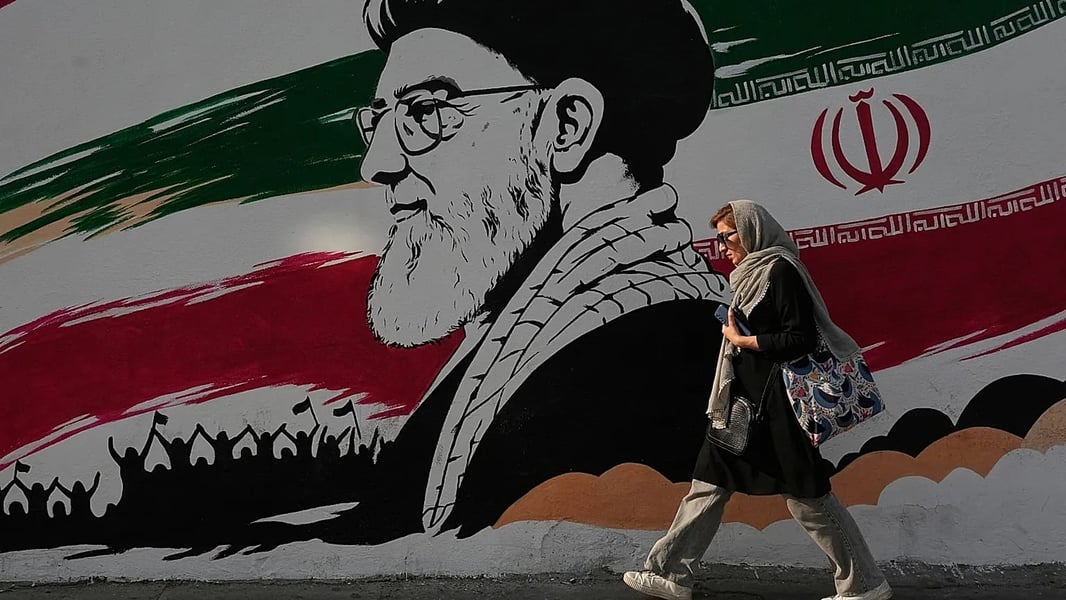
The last major public moment associated with Mojtaba Khamenei before his father’s death was the state funeral in Tehran. At that ceremony, the question of succession was already being managed: the decision to elevate Mojtaba had been made but not publicly announced in the way comparable transitions in other systems would be. IRGC leadership appeared at the funeral from positions of relative concealment, signaling an institution managing continuity under active military pressure.
Five months of limited visibility has allowed Khamenei to consolidate authority without exposure to the kind of media scrutiny that could reveal internal disagreements or vulnerabilities in Iran’s wartime governance. The Supreme Leader’s office in Iran’s constitutional structure is not subject to electoral accountability; a Supreme Leader can be effective without being visible. That Khamenei has now chosen to appear, and to allow the appearance to be documented and distributed, signals a judgment that the invisibility strategy has served its purpose and that a different phase now requires him in the frame.
Sunday’s meeting did not produce publicly announced policy decisions on the rial, energy, or the military front. The statement from the Telegram channel described the discussion in broad terms without detailing agreements reached or directives issued. Pezeshkian’s office did not release a separate account of the meeting’s outcomes. The information available is that the two men met, that three topics were discussed, and that Iran’s government chose to make that meeting known.
Whether Khamenei’s return to visibility will continue into the coming weeks, whether it reflects a genuine stabilization of Iran’s security situation, or whether Sunday’s controlled appearance is itself a one-time signaling event rather than the opening of a new phase remains unclear from what was released. Iran’s wartime media management has been careful and deliberate; a meeting released through a Telegram channel with a separately circulating video is not a press conference. It is the regime showing what it wants shown, at the moment it judges the showing useful.