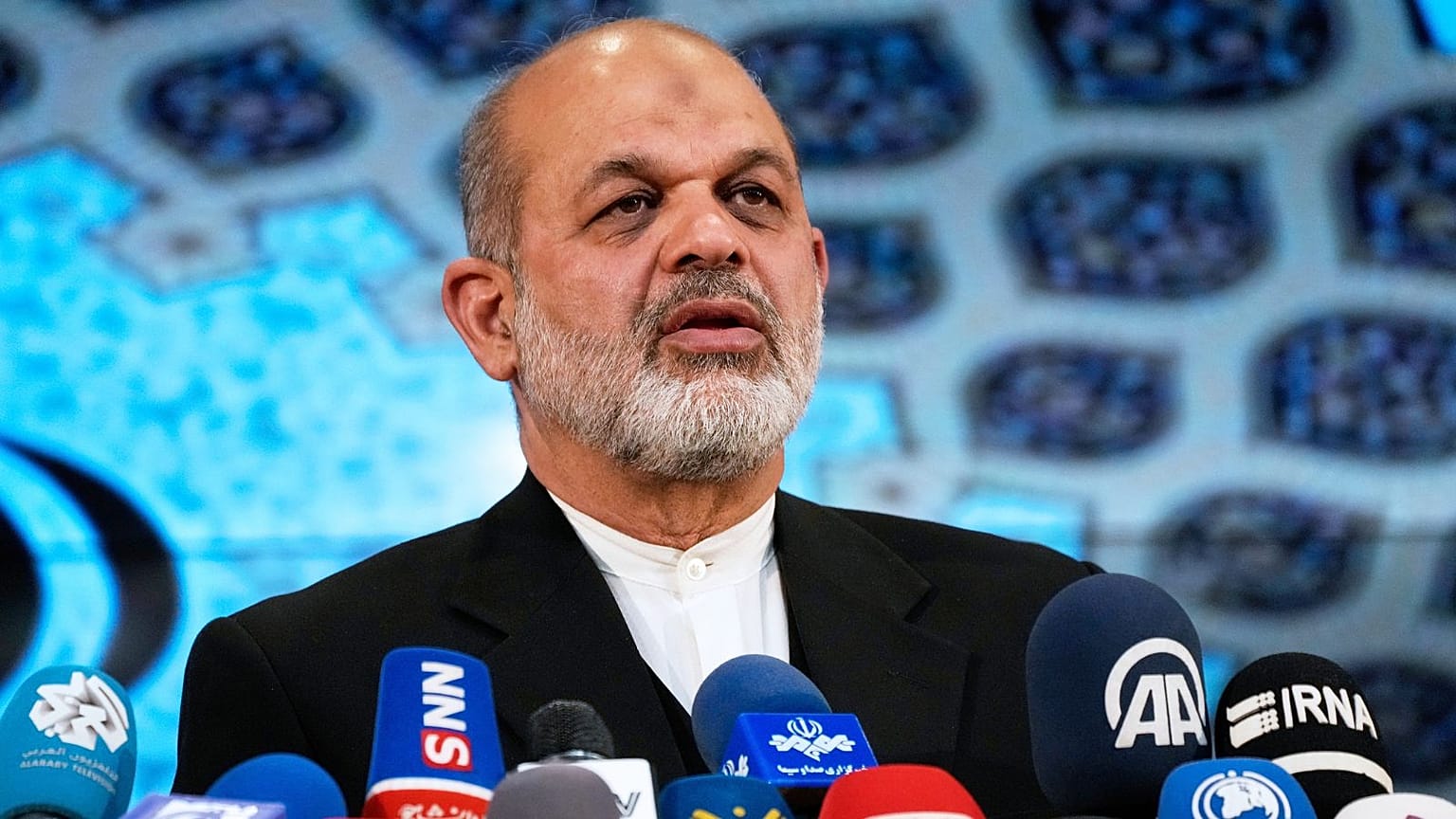

TEHRAN — The general Israel spent the better part of five months trying to kill sat publicly alongside Ali Khamenei’s coffin on Thursday night.
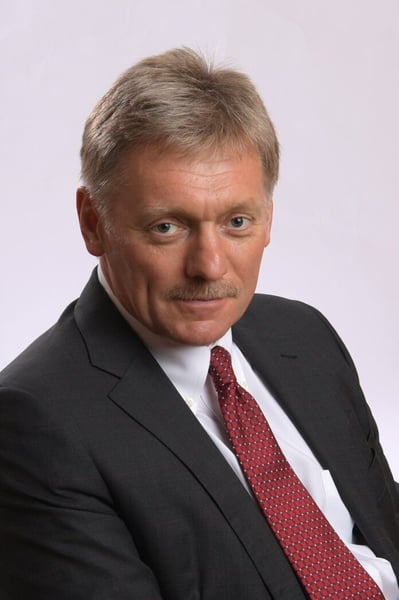
Ahmad Vahidi, commander-in-chief of Iran’s Islamic Revolutionary Guard Corps, had not been seen publicly since February 8, three weeks before the joint US-Israeli strikes that opened the war and killed his predecessor. On Thursday, photographs showed him attending a funeral planning session chaired by Iran’s president and seated alongside the casket at the evening vigil service inside the Supreme Leader’s compound. His emergence is the clearest public confirmation yet of who survived the campaign to decapitate Iran’s military leadership.
His return did not settle the broader question hanging over post-war Iran. Mojtaba Khamenei, appointed Supreme Leader after his father’s killing, remains out of view, reportedly wounded in the February 28 strikes. What Vahidi’s appearance does clarify is more immediate: the IRGC command survived, and the man running it intends to be visible when the formal farewell begins Friday.
The Institute for the Study of War assessed earlier this year that Vahidi and his inner circle had brought both Iran’s military response and its negotiating posture under their control. Analysts at Al-Arabiya English described him in May as a major player in shaping Tehran’s position on the core issues before Doha: Hormuz control and uranium stockpile retention. His inner circle, the ISW analysis continued, exercises authority over both the battlefield and the negotiating table simultaneously.
What distinguishes Vahidi from most of the world’s active military commanders is that he also carries an Interpol Red Notice issued at Argentina’s request. Buenos Aires named him a planner of the July 18, 1994 bombing of the AMIA Jewish community center, a Quds Force operation that killed 85 people and wounded more than 300 others. Vahidi had served as the first commander of the Quds Force from 1988 to 1997, the period when the attack took place, before handing the unit to Qassem Soleimani. Iran has denied any involvement. Interpol first issued the red notice in the late 2000s; Argentina’s foreign ministry reaffirmed it in 2024. In April 2026, as the war entered its second month, President Javier Milei’s government designated the IRGC a terrorist organization and named Vahidi specifically in the announcement.
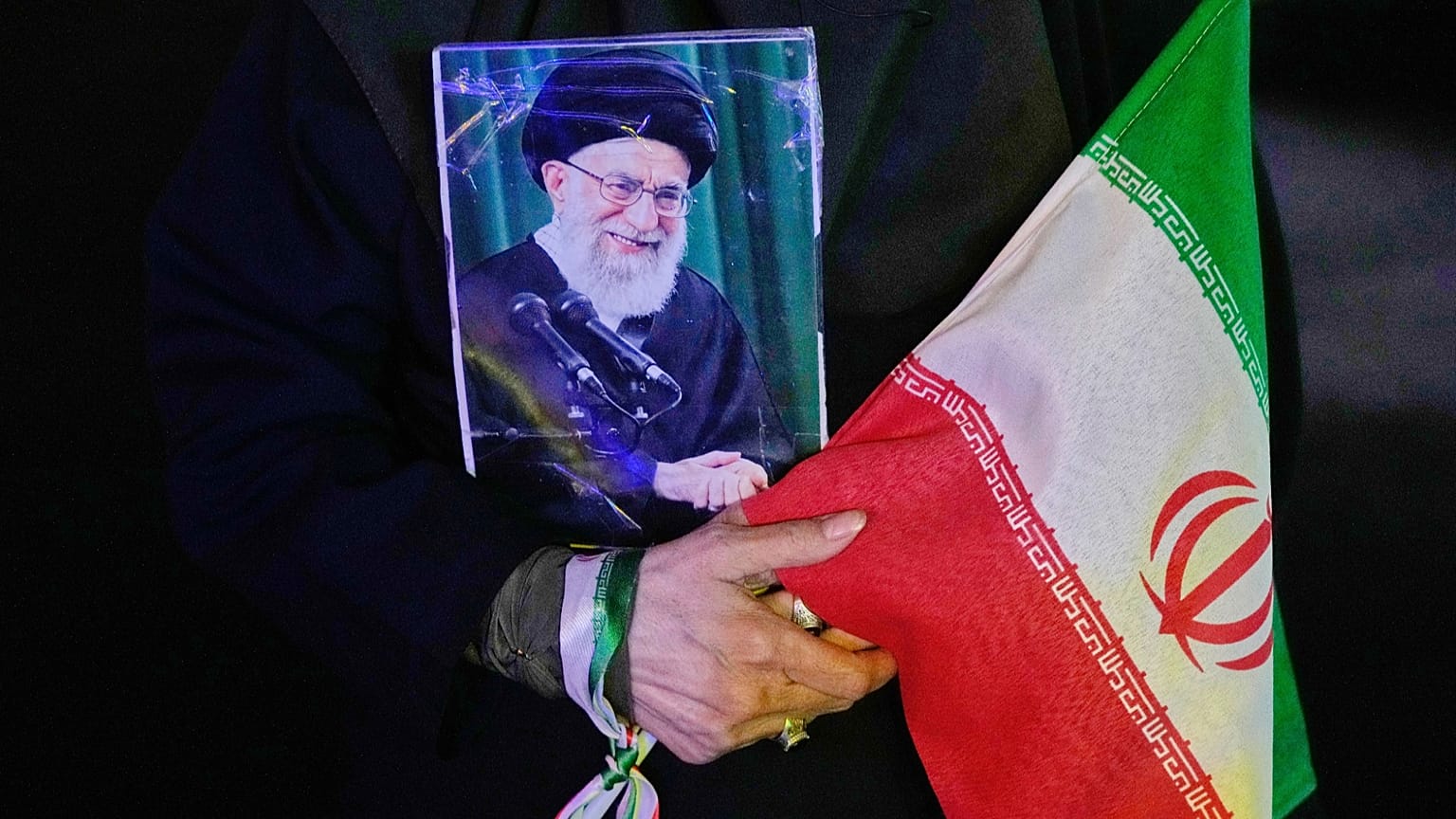
That warrant has not constrained his career inside Iran. As Euronews reported in May, Vahidi served as defense minister under Mahmoud Ahmadinejad from 2009 to 2013, then as interior minister under Ebrahim Raisi from 2021 until Raisi’s death in 2024, a tenure that included the security response to the Mahsa Amini protests. Ali Khamenei named him IRGC deputy commander in December 2025. When Mohammad Pakpour died in the opening hours of the war on February 28, Vahidi assumed command the following day.
Then he disappeared.
He had reason to. Three of his predecessors had died in quick succession: Hossein Salami was killed during a 12-day war with Israel in June 2025; Pakpour fell alongside the Supreme Leader on February 28. Israeli strikes during the campaign later called Operation Roaring Lion specifically targeted senior IRGC leadership. Security analysts at the time described Vahidi as among the campaign’s highest-priority targets. His absence from public life was a survival calculation, not a disappearance.
That calculation ended Thursday.
The meeting he attended was chaired by President Masoud Pezeshkian, a public staging that recognized Vahidi as a legitimate institutional actor rather than a figure running things from an undisclosed location. His appearance at the casket vigil placed him in a frame the Iranian state took care to document and release. The Washington Post was first to report his reappearance.
For the foreign delegations arriving Friday for the official ceremony for heads of state and diplomatic envoys, his presence reshapes the political geometry of the room. Pakistan’s Prime Minister Shahbaz Sharif, who has served as one of the key back-channel intermediaries between Tehran and Washington, will attend. So will He Wei, vice chairman of China’s National People’s Congress Standing Committee, and Dmitry Medvedev, who is attending as President Putin’s special envoy. India is sending Deputy Foreign Minister Pabitra Margherita. Each of those governments has either hosted or facilitated the negotiations that produced the Doha memorandum of understanding that Iran’s hardliners have contested since it was signed.
What none of those governments has said publicly is what it means to advance a ceasefire framework with a country whose military strategy is being managed by a man three of them officially regard as a subject of an international arrest notice. Argentina’s Interpol notice remains in force. The designation Milei issued in April has not been withdrawn. The legal status is not symbolic: most of the states sending delegations to Tehran on Friday operate under treaty obligations that flow from that notice.
Whether the AMIA warrant surfaces as a diplomatic problem in the Doha rounds expected to resume in mid-July, after the funeral concludes, is unknown. What Vahidi’s emergence established on Thursday is that the question is no longer hypothetical.