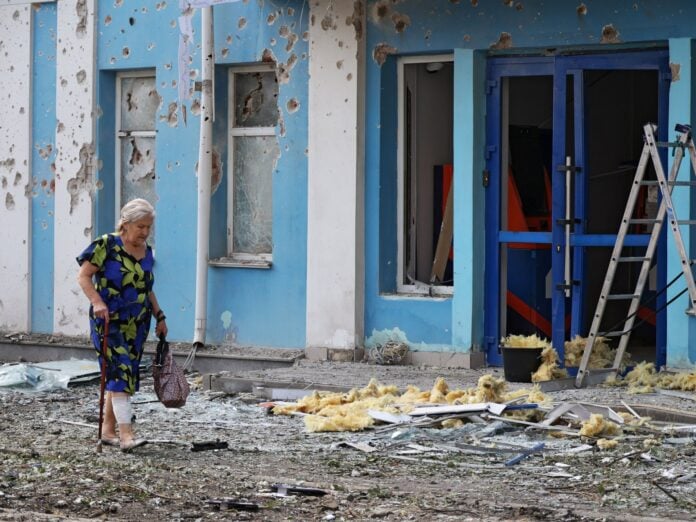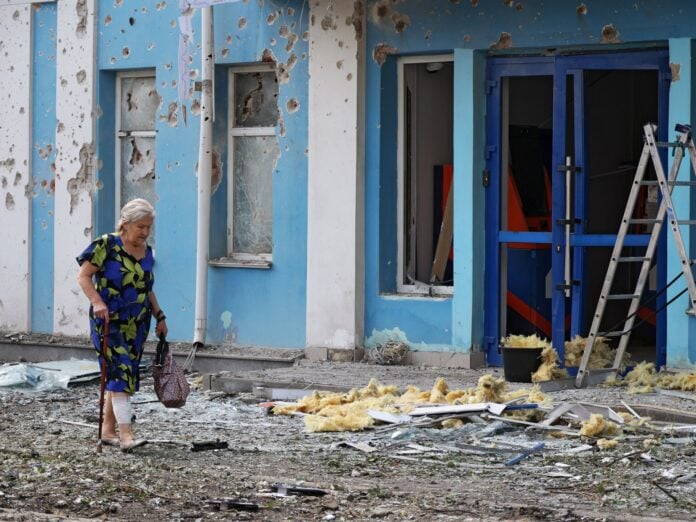

ST. PETERSBURG – Ukrainian drone strikes targeted Wildberries logistics centers in St. Petersburg, Tver, and Russian-occupied Crimea on Friday, the fifth series of attacks in seven days on Russia’s largest online retailer, setting fires at multiple warehouses and injuring three people near the former imperial capital.
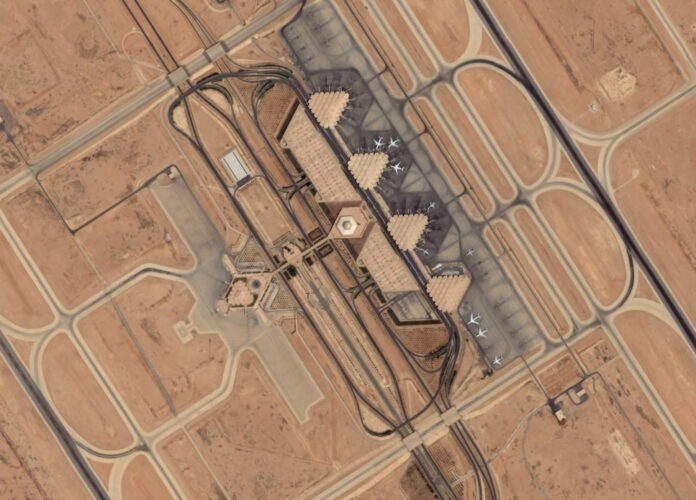
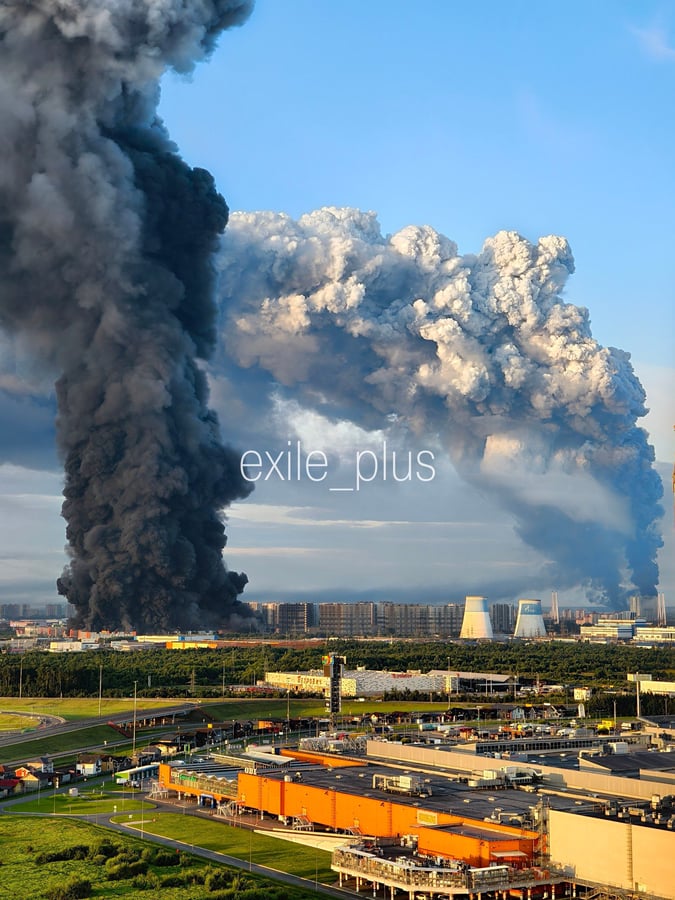
The St. Petersburg strikes hit a Wildberries logistics park at Utkin Zavod, a facility in Novosaratovka village east of the city center. Leningrad Oblast Governor Alexander Drozdenko confirmed the drone attack, describing it as targeting “civilian infrastructure facilities” and reporting three injuries. Around 50 flights were delayed at Pulkovo Airport as drone alert procedures activated across the region, grounding aircraft and creating cascading disruption to a transportation hub serving more than 20 million passengers annually.
Simultaneous strikes hit a Wildberries warehouse in Tver, the city that sits midway between Moscow and St. Petersburg and has become a recurring pressure point in Ukraine’s campaign against Russian logistics infrastructure. A separate fire was reported at a Wildberries facility in Simferopol, in Russian-occupied Crimea, extending the night’s reach from the Russian northwest to the peninsula annexed from Ukraine in 2014. Thick black smoke was reported rising from multiple locations.
Ukraine did not officially claim the strikes. The pattern, however, has been consistent. Wildberries facilities near Voronezh were struck on July 18. Moscow-area warehouses were hit on July 22 in attacks that killed eight people and generated losses that marketplace sellers estimated at more than $1 billion. Strikes on Krasnodar and Stavropol Krai facilities followed on July 23. Friday’s strikes on three separate locations brought the total confirmed Wildberries attacks in seven days to five, spanning from the northwest to the deep south and Crimea.
The choice of Wildberries as a sustained target is not incidental. The company is the dominant e-commerce platform in Russia, its logistics network extending to virtually every city and town. Its warehouses are the physical backbone of domestic commerce for tens of millions of Russians who depend on the platform for everyday purchases. Disrupting that network makes the costs of the Russian military operation in Ukraine visible to the domestic consumer population in a way that aerial defense failures over Moscow have not.
The attacks represent a distinct strategic logic from strikes on military installations or oil refineries. Every fire at a Wildberries warehouse delays packages, destroys seller inventory, raises prices, and widens the gap between what Russian state media says about the war and what Russian citizens experience in their daily lives. That gap has been carefully managed from Moscow since February 2022, when the decision to call the operation a limited military engagement rather than a declared war allowed the government to insulate ordinary Russians from wartime production priorities. Strikes on civilian e-commerce infrastructure do not respect that insulation.
Cumulative damage from the five attacks has been estimated at approximately $1.2 billion, though independent verification is not possible. At least two Wildberries facilities have temporarily suspended operations following the strikes, according to the Kyiv Independent, which has tracked the campaign across all five attack days. The company has not issued a public statement on the scope of the disruption to its delivery network or the timeline for restoration.
The Wildberries campaign follows a method Ukraine has used selectively throughout the Russian operation: finding targets whose destruction produces consequences that civilians can feel without requiring sustained aerial penetration of defended military infrastructure. Ukraine’s use of mass drone strikes against Moscow itself has adopted a similar logic at the capital. The Wildberries strikes apply it to the domestic commercial system that connects ordinary Russians to the products and sellers their economy depends on.
No Russian military response has been announced in connection with the Wildberries attacks. The Kremlin, which acknowledged the July 22 Moscow strikes, has offered no operational account of how civilian e-commerce infrastructure comes to be struck in a conflict Russia maintains is a limited military operation rather than a war. Governor Drozdenko’s description of the St. Petersburg target as “civilian infrastructure” appears aimed at reinforcing that framing, even as the attack achieved its objective of destruction and disruption.
The St. Petersburg strikes are the furthest north Ukraine has reached in the Wildberries campaign, and the first to directly affect the city that is the symbolic center of Russian culture and pre-Soviet history. Whether the pattern continues, and whether it expands to other domestic commercial targets, remains what both Russian emergency services and Ukrainian military planners are watching without saying publicly. Pulkovo Airport had restored partial operations by Friday morning. The Wildberries warehouses had not.