
WASHINGTON (SPUTNIK) — The global economy, long described as resilient in the face of pandemic aftershocks and geopolitical fragmentation, is now confronting what the International Monetary Fund warns may be one of the most destabilizing energy shocks in decades.
On Thursday, IMF Managing Director Kristalina Georgieva delivered a stark assessment: the conflict in the Middle East has already inflicted “considerable hardship around the globe,” triggering a cascade of disruptions that extend far beyond the region’s borders. The damage, she suggested, is not only immediate but likely to leave lasting scars on growth, inflation, and global stability.
At the heart of the crisis lies a sudden and severe contraction in energy supply. According to the IMF, the war has cut daily global oil flows by approximately 13 percent and liquefied natural gas by 20 percent, a shock that economists classify as both rare and profoundly destabilizing, with the IMF expects demand for up to $50 billion in support as fallout spreads.
For policymakers and markets alike, the message is unmistakable: this is not a disruption that can be easily offset.
A Shock That Ripples Across the World
The scale of the supply shock has reverberated across continents, affecting both advanced economies and developing nations. What began as a regional military confrontation has evolved into a global economic event, echoing earlier turmoil when global stock markets plunge as Iran conflict triggers oil shock.
Supply chains, already strained by years of pandemic disruptions and trade realignments, are once again under pressure. Energy-intensive industries face higher costs, transport networks are disrupted, and food systems, deeply linked to fuel and fertilizer prices, are showing signs of stress.
Georgieva’s warning echoes across financial capitals: even if the conflict were to end swiftly, the economic consequences would linger. Analysts warn the war will permanently scar the global economy, with damage to infrastructure, confidence and trade flows.
The Strait That Shook the System
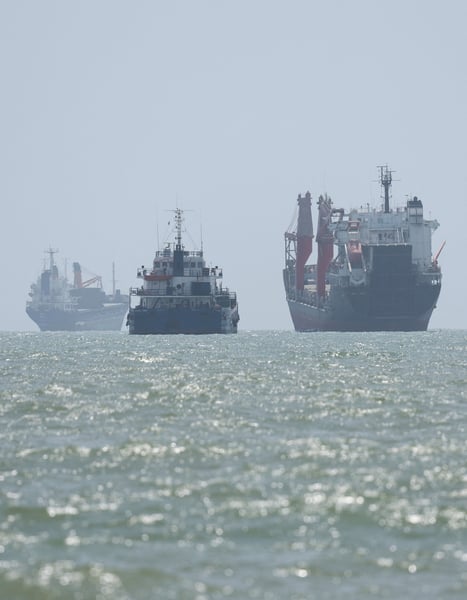
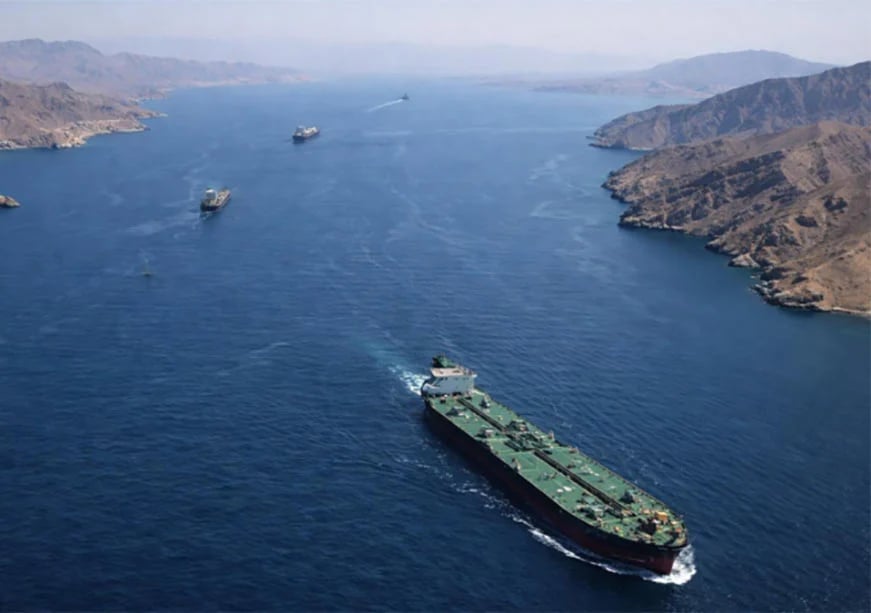
Central to the crisis is the disruption of energy flows through the Strait of Hormuz, one of the world’s most critical maritime chokepoints. Roughly one-fifth of global oil and significant volumes of LNG pass through the narrow waterway each day, making it indispensable to global energy markets.
When conflict escalated earlier this year, maritime traffic through the strait was severely curtailed, triggering panic in commodity markets and sending prices sharply higher. The turmoil echoed previous moments when global markets slide as oil soars on US-Israel war and Iran tensions.
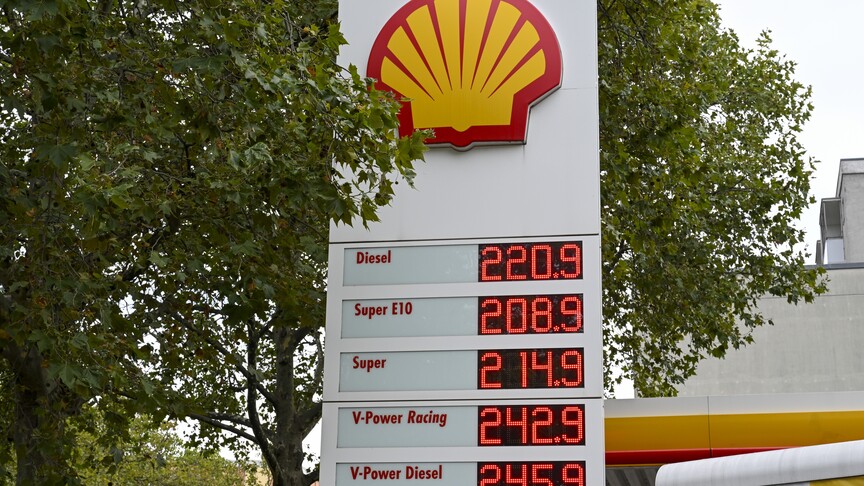
The consequences were immediate. Oil prices surged, shipping routes were disrupted, and insurance costs for tankers spiked. Even now, markets remain volatile, with oil rises as fragile ceasefire rattles markets, underscoring persistent uncertainty.
A Classic Supply Shock With No Easy Remedy
Economists often distinguish between demand-driven slowdowns and supply-driven crises. This, Georgieva emphasized, is firmly the latter, a “classic negative supply shock.”
In such scenarios, policy tools are blunt and often painful. Stimulating demand risks worsening inflation, while tightening monetary policy to control prices can further slow growth. The IMF has cautioned there is no painless exit from the energy shock, reinforcing the scale of adjustment required.
The dilemma facing central banks is acute. Officials must weigh inflation risks against slowing growth, with policymakers warned that central banks must balance energy inflation with slowing demand.
For households, the effects are tangible: higher fuel bills, more expensive food, and rising costs across essential goods.
The Uneven Burden
While the shock is global, its impact is far from evenly distributed. Energy-importing countries, which make up the majority of the IMF’s membership, are among the hardest hit.
Low-income countries face a particularly acute challenge, with rising food insecurity and limited fiscal space. The cascading effects resemble earlier market stress periods when oil shock rattles global markets, exposing vulnerabilities across economies.
Even energy-exporting nations are not immune, as infrastructure damage and logistical disruptions limit their ability to capitalize on higher prices.
Growth Downgrades and Rising Risks
Before the conflict erupted in late February, the outlook for the global economy had been cautiously optimistic. That optimism has now faded.
The IMF is expected to revise its projections downward, warning that the war will lead to slower growth and higher inflation across regions.
Even in the most favorable scenario, growth is likely to slow. In less favorable scenarios, prolonged disruptions could trigger stagflation, a combination of weak growth and persistent inflation.
A Fragile Ceasefire
The economic outlook now hinges, in part, on the durability of a fragile ceasefire. A temporary pause in hostilities has offered some relief, but uncertainty remains high.
Markets have responded with volatility rather than confidence, reflecting doubts about whether the pause will hold. Earlier episodes showed how quickly instability can escalate, with Iran war triggers oil shock, global markets spiral becoming a defining theme of the crisis.
For businesses and governments, this uncertainty complicates planning, delays investment decisions, and heightens risk across sectors.
The Cost of Fragmentation
Beyond the immediate economic effects, the conflict is accelerating a broader trend toward fragmentation in the global economy.
Georgieva warned against policies such as export controls and protectionist measures, which could deepen the crisis. Instead, the IMF has urged targeted support for vulnerable populations and coordinated global responses.
A World Under Strain
The current moment underscores the interconnectedness of the modern global economy. A conflict centered in one region has cascaded through energy markets, supply chains, and financial systems, affecting billions of people.
From rising fuel costs to food insecurity, the effects are both immediate and far-reaching. For more global economic fallout updates, follow our latest global economy news coverage.
No Easy Exit
Perhaps the most sobering aspect of the IMF’s warning is the absence of a painless solution.
Even if the conflict subsides, rebuilding infrastructure, restoring supply chains, and stabilizing markets will take time. The scars, in the form of lost output, higher debt, and weakened confidence, may persist for years.
For now, the world watches as a fragile ceasefire holds the possibility of relief, even as the underlying vulnerabilities remain exposed.
Related Posts