
The unfolding crisis is now dominating global headlines, reshaping energy geopolitics, and driving what analysts describe as the most volatile phase in global oil markets 2026.
The global economy has entered a dangerous new phase of uncertainty as the war involving Iran, the United States, and Israel continues to disrupt energy flows, sending oil prices soaring and triggering widespread financial instability.
What began as a regional military confrontation has rapidly evolved into a systemic global shock, one that is rippling through supply chains, financial markets, and household economies from Asia to Europe.
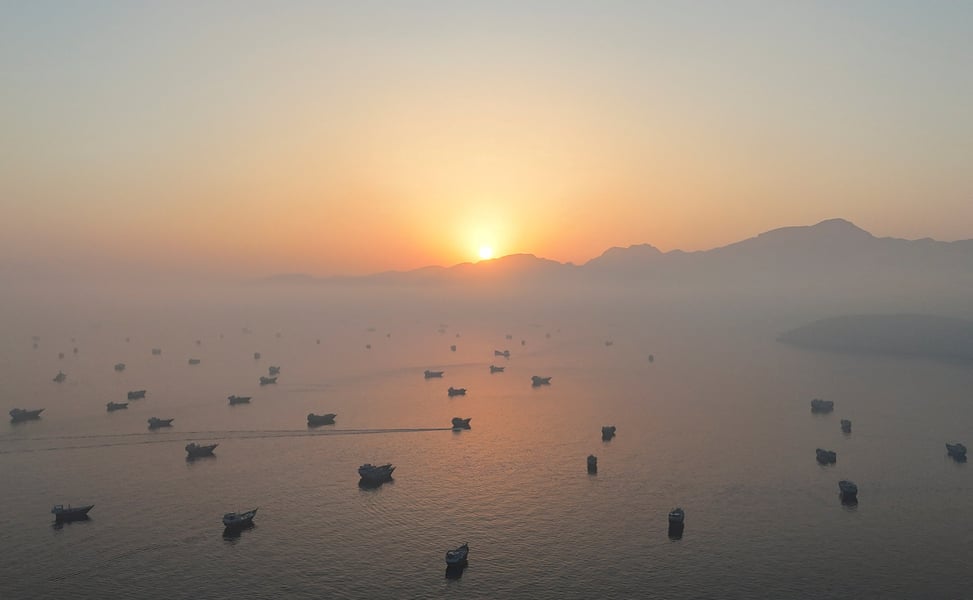
At the center of this upheaval lies a narrow stretch of water with outsized importance: the Strait of Hormuz crisis.
A Shock to the World’s Energy Artery
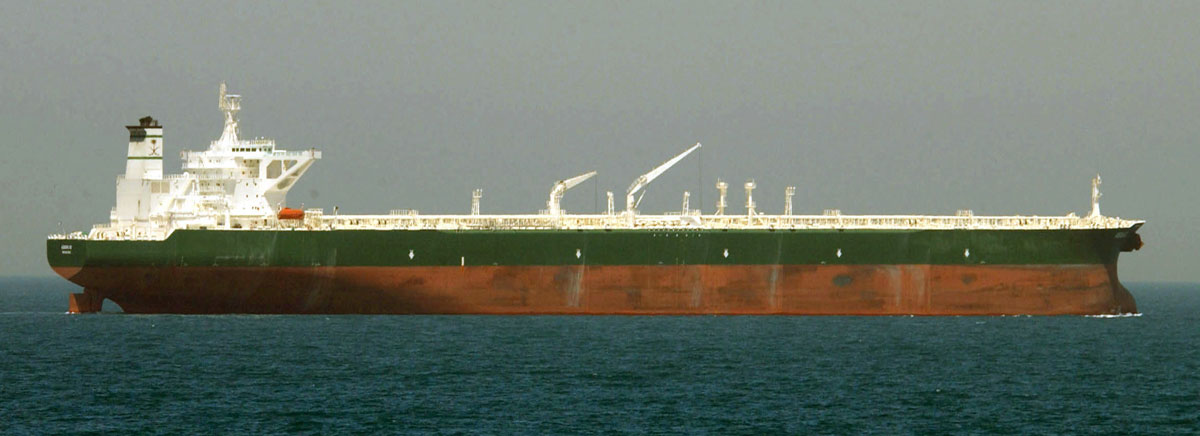
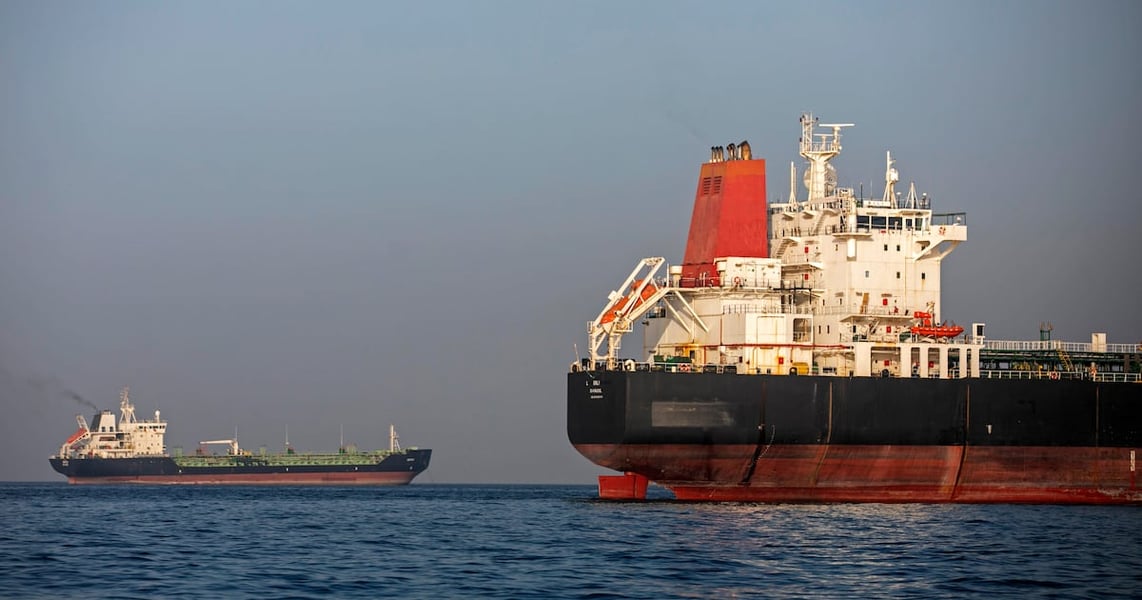
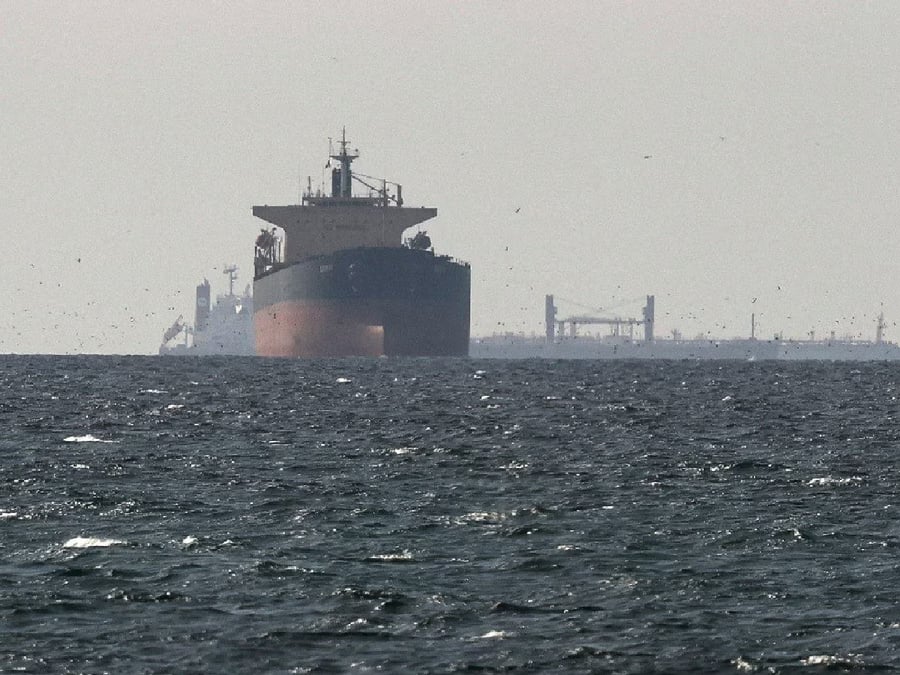
Roughly 20 percent of the world’s oil supply passes through the Strait of Hormuz, making it the single most critical chokepoint in global energy trade. The disruption has already blocked a significant share of global crude and LNG flows, creating what analysts describe as an unprecedented supply shock.
Since the escalation of hostilities, that artery has been effectively choked.
Shipping traffic has plummeted, tanker routes have been disrupted, and energy infrastructure has come under threat. The result has been immediate and severe, with oil prices surged past $100 per barrel, with spikes nearing $120 amid continued volatility.
Analysts warn that further escalation could push prices toward $150 or even $200 per barrel, intensifying global recession fears and threatening economic stability worldwide.
Markets React: Volatility and Fear
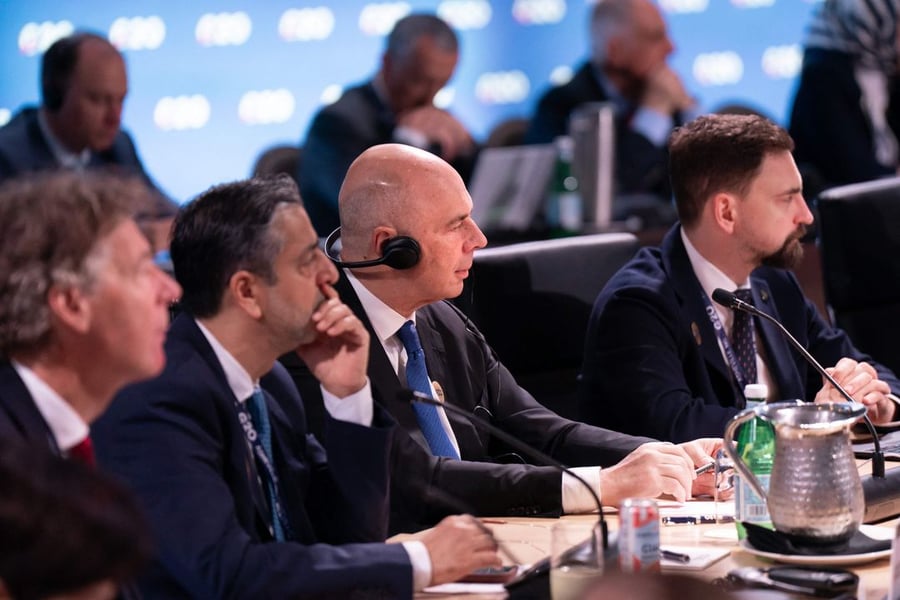
Global markets have responded swiftly, and negatively as investors react to rising geopolitical risk and energy costs.
Major indices have dropped sharply, with global market panic setting in across trading floors. Stocks have fallen sharply, bond yields have surged, and investors are fleeing toward safe-haven assets.
The volatility reflects deeper concerns about prolonged supply disruptions, military escalation, and tightening monetary conditions. Economists increasingly warn of stagflation, a toxic mix of slow growth and rising prices.
Asia at the Epicenter of the Crisis
While the shock is global, its most immediate impact is being felt in Asia, where economies depend heavily on Gulf energy supplies routed through Hormuz.
With supplies constrained, governments and industries are scrambling to adapt. Energy shortages are emerging, and industrial output is slowing in key sectors.
The crisis is exposing structural vulnerabilities in global energy dependence, reinforcing fears that the war is war reshaping global energy markets.
Europe and Emerging Markets Under Pressure
Europe is facing soaring energy costs, while emerging markets are confronting a dual shock of rising import bills and capital flight.
These pressures are pushing weaker economies toward debt stress and amplifying financial instability across developing regions.
Meanwhile, stocks slide as oil shock deepens, reinforcing fears of a broader economic slowdown.
Beyond Oil: A Cascading Crisis
The disruption extends beyond crude oil. Natural gas markets are even more severely affected, particularly in Europe and Asia where supply chains are less flexible.
The crisis is also disrupting fertilizer production and global food supply chains, raising the risk of a wider economic and humanitarian emergency.
Analysts warn that the world is facing a cascading crisis: energy shock leading to food inflation and broader economic contraction.
Massive Supply Disruption and Strategic Leverage
Financial institutions warn of a massive supply disruption, with up to 13–14 million barrels per day at risk if the Strait remains blocked.
This has amplified price chaos and deep uncertainty across global markets.
Iran’s control over the Strait has effectively given it strategic leverage over global energy flows, reshaping geopolitical dynamics in real time.
A Crisis Rooted in Uncertainty
Despite the scale of disruption, one factor continues to dominate: uncertainty.
Oil prices have not moved in a straight line upward, reflecting conflicting signals about the trajectory of the war and the stability of supply routes.
Key unknowns include the duration of the conflict, the extent of infrastructure damage, and the likelihood of broader regional escalation.
A Defining Moment for the Global Economy
The Iran war is no longer a regional conflict, it is a defining test of the global economic system.
From fuel prices are rising globally to collapsing investor confidence, the consequences are already being felt by billions.
The crisis has exposed the fragility of energy supply chains, the limits of geopolitical stability, and the deep interdependence of modern economies.
And until the uncertainty lifts, the shockwaves will continue to spread across markets, governments, and households worldwide.
Related Posts