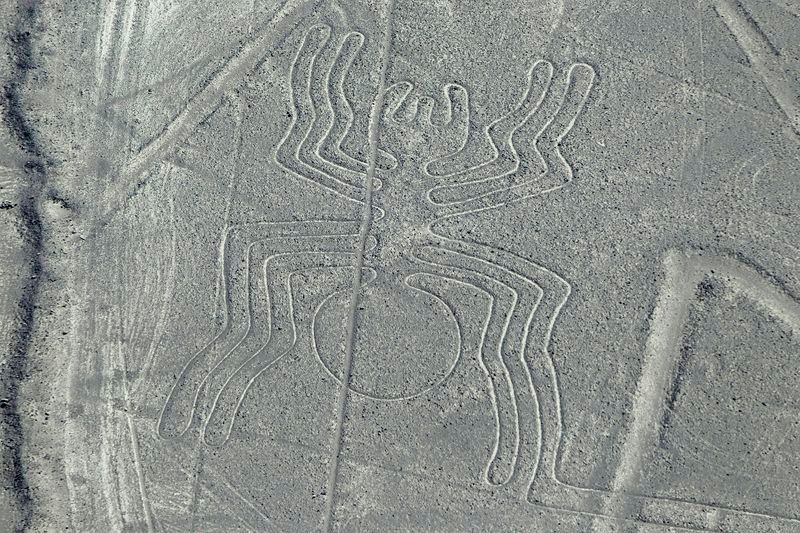

ICA – The Cessna Grand Caravan lifted from Ica’s regional airport on Friday morning with thirteen people aboard: eleven sightseers who had booked an overflight of Peru’s ancient desert drawings, and two crew members who had flown this route before. The aircraft, operated by Aerodiana, a local tour company with fourteen years in the business, never completed the circuit.
The plane crashed shortly after takeoff and erupted in flames, Police Major Jorge Andrade confirmed from the scene, Al Jazeera reported. All thirteen aboard were killed. The wreckage came down near the Nazca Lines themselves, the sprawling geoglyphs etched across Peru’s coastal desert plateau that had drawn the passengers to the flight in the first place.
Andrade told reporters that the crash site was quickly engulfed by fire. Aerodiana confirmed the loss of its aircraft and crew without addressing the cause in its initial statement. Peru’s transport ministry announced it had opened an investigation into the accident, TRT World reported.
The Nazca Lines sit roughly 450 kilometers south of Lima, on an arid plateau where the near-absence of wind and rain has preserved drawings made by the Nasca culture between 500 BC and 500 AD. The geoglyphs depicting animals, plants, and geometric shapes across nearly 450 square kilometers were designated a UNESCO World Heritage Site in 1994. Because the full scale and design of the drawings can only be grasped from altitude, light-aircraft overflights became the primary way tourists experience them. Multiple small companies operate from Ica’s Maria Reiche Neuman Airport, offering flights of twenty to forty-five minutes, and the business has run continuously for decades.
The conditions that make the Nazca Lines an aerial destination also make the flights technically demanding. The plateau sits around 520 meters above sea level, reducing aircraft performance compared to sea-level takeoffs. Thermal activity over the desert, where surface temperatures can exceed 40 degrees Celsius in the afternoon, creates turbulence that affects small aircraft differently than larger commercial jets. Aerodiana’s fourteen-year operating history suggests the company had managed those conditions routinely, which makes the circumstances of Friday’s accident an open question for investigators.
No passenger manifest had been publicly released as of Friday afternoon. The nationalities of the eleven tourists were not confirmed in initial statements by Peruvian authorities, though the Ica region draws visitors from throughout the Americas and Europe specifically for Nazca Lines overflights. Tour operators in the region routinely carry international clients, and the passenger profile will likely emerge as consular notifications proceed.
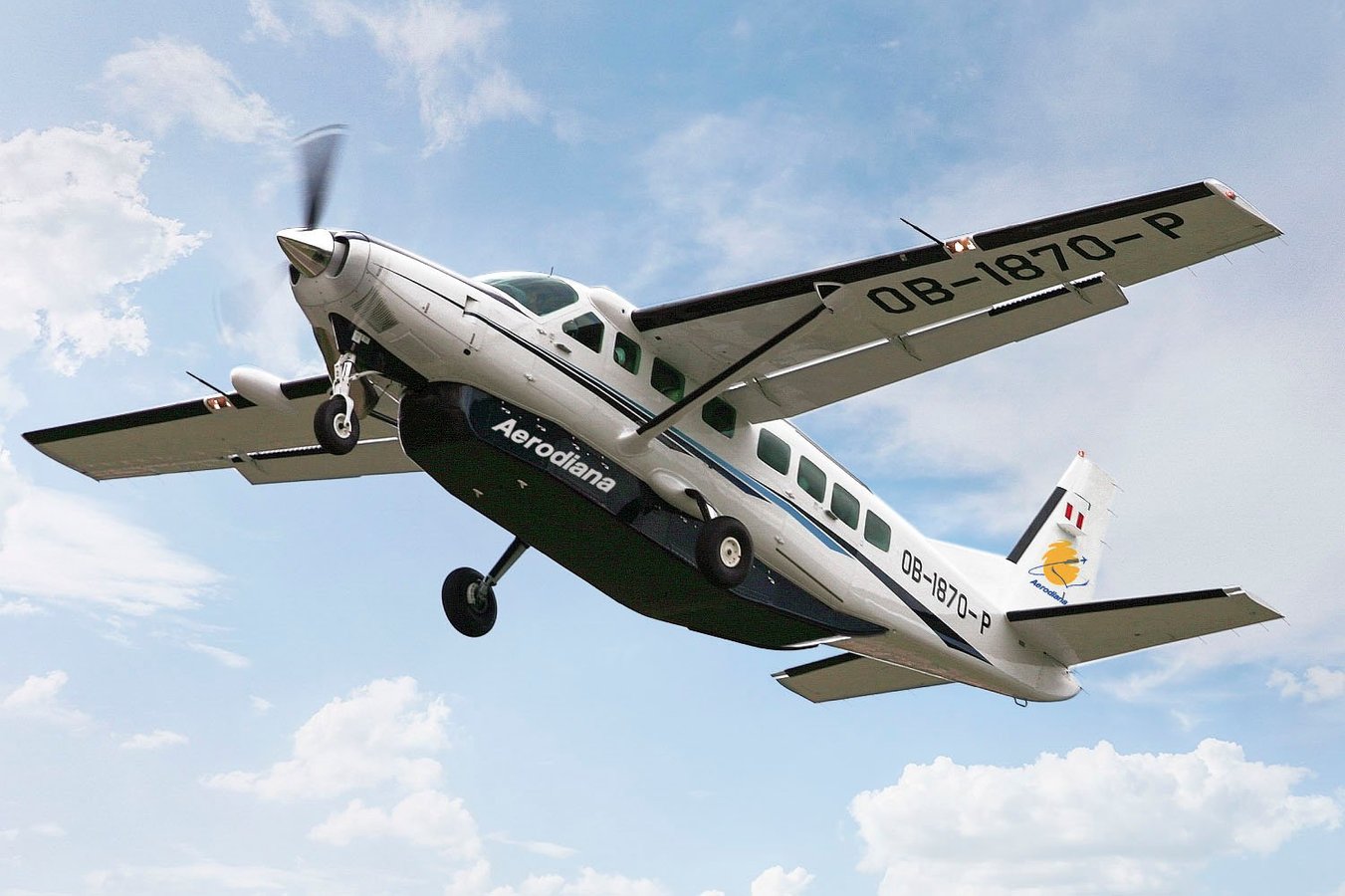
The Cessna Grand Caravan is one of the most widely used single-engine turboprop aircraft in the world, a standard choice for short-haul sightseeing and cargo operations in remote and high-altitude destinations because of its reliability record and ability to operate from short, unpaved airstrips. It is used extensively across South America, Alaska, and sub-Saharan Africa for commercial sightseeing roles. Its safety record in those contexts has been generally strong, though small aircraft operating in mountain and desert environments carry risks that differ from commercial airline operations.
Light aircraft accidents near the Nazca Lines have occurred before. The demanding desert conditions and the pressure to complete tourist circuits efficiently have contributed to incidents over the years, though Aerodiana itself had not publicized any major accidents during its operation. Peru’s civil aviation authority had certified the company and its fleet for commercial sightseeing, but the details of its most recent inspection records were not immediately public.
Peru’s aviation regulator, the Directorate General of Civil Aeronautics, is responsible for investigating the crash alongside police. The authority oversees pilot and aircraft certification, route approvals, and safety standards for commercial sightseeing operations. Whether investigators will focus on maintenance records, crew certification, weather conditions at the time of departure, or mechanical failure remains unknown. The investigation is expected to take months to produce formal findings.
Peru has confronted a difficult run of emergencies this year. A 5.1-magnitude earthquake struck the highland Chupaca district in July, killing six people and destroying dozens of homes. The Ica region lies geographically distant from that highland zone but belongs to the same country managing emergency response across terrain that draws international tourism while remaining far from Lima’s administrative center.
The crash came amid wider regional turbulence. A car bomb wounded eleven people in Cucuta, Colombia, six days before that country’s presidential inauguration, adding to a week in which Latin American governments were managing a range of acute crises simultaneously.
For the families of the eleven tourists, what began as a bucket-list trip ended without survivors. The Nazca Lines exist in the cultural imagination as one of the world’s great archaeological mysteries, drawings made two millennia ago whose scale is invisible from the ground. The flights that make them visible are a commercial extension of that mystery, a small-aircraft industry built around the impossibility of seeing them any other way. What caused the Aerodiana Cessna to crash and burn over one of South America’s most visited heritage sites remains precisely what investigators moving through the debris field had yet to determine.