
The war between Israel, the United States, and Iran has entered one of its most volatile phases yet, with a single naval confrontation in the Strait of Hormuz pushing an already fragile ceasefire toward collapse and raising fears of a global economic shock.
Over the weekend, US forces attacked and seized an Iranian-flagged cargo vessel accused of breaching a naval blockade near the Strait of Hormuz, marking a major escalation in the conflict. Iran immediately condemned the move as piracy and warned of retaliation, signaling that the war is entering a more dangerous phase. According to Associated Press reporting, the seizure has already cast serious doubt over ongoing ceasefire negotiations and triggered fresh instability in global energy markets.
The incident reflects a broader escalation in a war that began with coordinated strikes by Israel and the United States earlier this year, an offensive that has since drawn the region into sustained confrontation. A deeper look at how the conflict expanded shows how quickly neutrality across the region has collapsed, as detailed in this analysis of the widening war between Iran, the US and Israel.
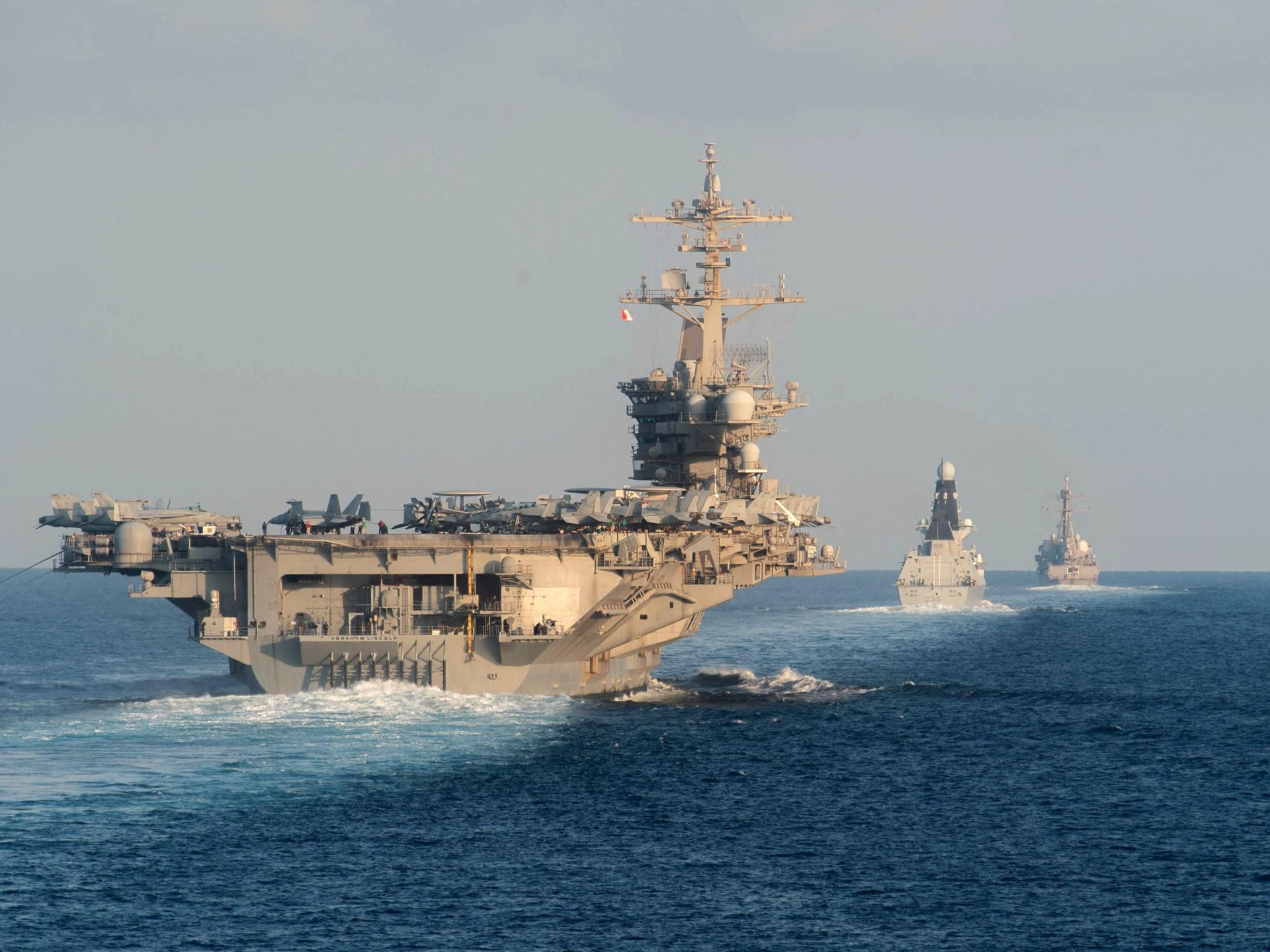
Since then, the Strait of Hormuz has transformed into a central battleground. Roughly one-fifth of global oil supply passes through this narrow waterway, making it one of the most critical economic choke points in the world. Iran has repeatedly asserted control over the strait, while the United States continues to enforce a sweeping naval blockade.
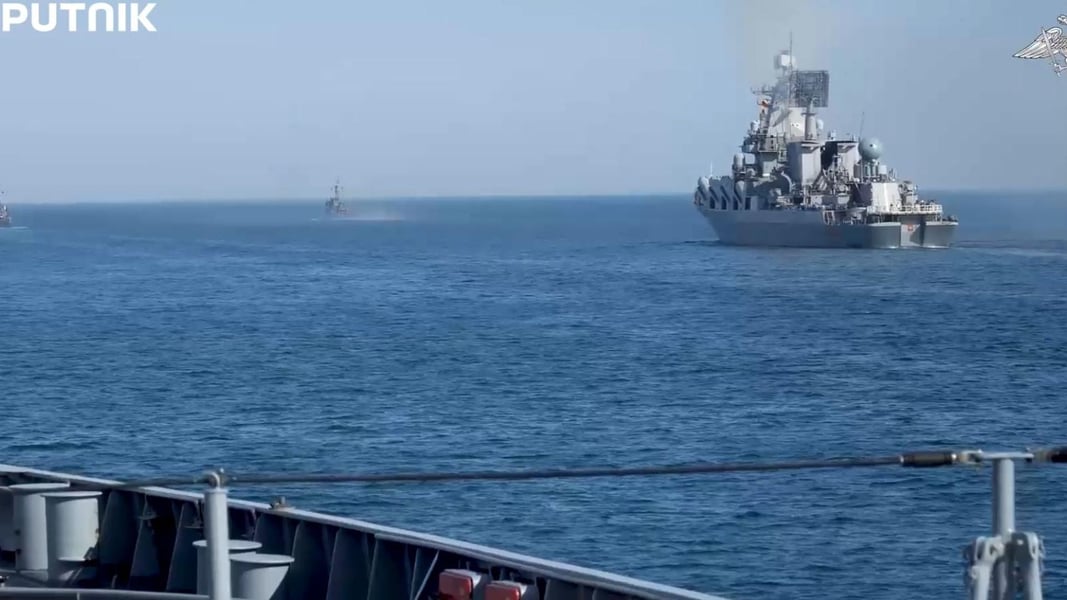
The blockade itself has become a defining feature of the conflict. Washington has intensified maritime enforcement, turning back vessels and intercepting ships suspected of violating restrictions. Reuters reported earlier that multiple ships were forced to reverse course under US pressure, underscoring the scale of the disruption.
This latest seizure has pushed tensions even further. The vessel, which US officials say ignored repeated warnings, was disabled and boarded by American forces. Tehran has framed the incident as a direct violation of the ceasefire and a provocation that could justify retaliation.
The consequences are already visible across global markets. Shipping traffic through the Strait of Hormuz has slowed dramatically, with many vessels delaying transit or rerouting entirely. Energy markets are reacting sharply. Oil prices have surged amid fears that prolonged disruption could trigger a wider crisis.
The economic fallout is not limited to oil prices alone. The ripple effects are spreading across economies heavily dependent on Gulf energy flows. India, for instance, is already confronting the financial strain of disrupted imports, a trend explored in this report on India’s growing fuel crisis linked to Hormuz instability.
At the same time, earlier optimism about reopening the strait has quickly faded. Financial markets had briefly rallied when Iran signaled limited access to shipping lanes, a development captured in this coverage of market reactions to Hormuz reopening signals, but the latest confrontation has reversed that momentum.
Diplomatic efforts are now hanging by a thread. Talks scheduled to take place in Pakistan were expected to address key issues including the blockade, maritime security, and Iran’s nuclear program. But the seizure has thrown those plans into uncertainty. Reporting from The Washington Post indicates that Iranian officials are reconsidering participation, citing the incident as evidence of bad faith.
The ceasefire itself appears increasingly symbolic. Both sides have accused each other of violations, and military activity has continued despite the truce. Iran has linked any reopening of the Strait of Hormuz directly to the lifting of US restrictions, while Washington has shown little sign of backing down.
The broader economic implications are becoming harder to ignore. Global institutions have already begun warning of a slowdown tied to the conflict. The International Monetary Fund’s downgraded growth outlook reflects mounting concern that prolonged instability in energy markets could trigger a wider recession.
Meanwhile, conditions on the ground remain volatile. Shipping disruptions, military posturing, and regional tensions are converging into a crisis that extends far beyond the immediate conflict zone. As Reuters reported, Iran continues to signal openness to diplomacy while simultaneously expressing deep distrust of US intentions.
In the background, the Strait of Hormuz itself remains under tight military control. Iran has previously outlined strict coordination measures for vessels passing through the region, a policy detailed in this report on Iran’s controlled access strategy. That fragile system now appears increasingly untenable under escalating pressure.
The conflict is also widening beyond the Gulf. Regional actors are preparing for potential spillover, with rising tensions involving allied groups and neighboring states. The longer the standoff continues, the greater the risk that localized confrontations could evolve into a broader regional war.
What began as a targeted military campaign has now evolved into a multi-dimensional crisis involving energy security, global trade, and geopolitical stability. The seizure of a single ship has exposed the fragility of the ceasefire and the limits of diplomacy under sustained military pressure.
The trajectory of the conflict is becoming clearer. With negotiations faltering, economic pressure intensifying, and military actions continuing, the risk of further escalation is no longer hypothetical. It is immediate.
The Strait of Hormuz, once a vital artery of global commerce, now stands at the center of a conflict that threatens to reshape not only the Middle East but the global economy itself.