
MUSCAT — When diplomats from Tehran and Muscat agreed in early August on the coordinates of shipping lanes through the Strait of Hormuz, it appeared, briefly, like the geometry of a deal. Inbound ships entering through Iranian waters. Outbound vessels departing through Omani. A map that might thread the needle of mutual face-saving and get oil moving again.
By Monday, the sultanate was being threatened with American bombs.
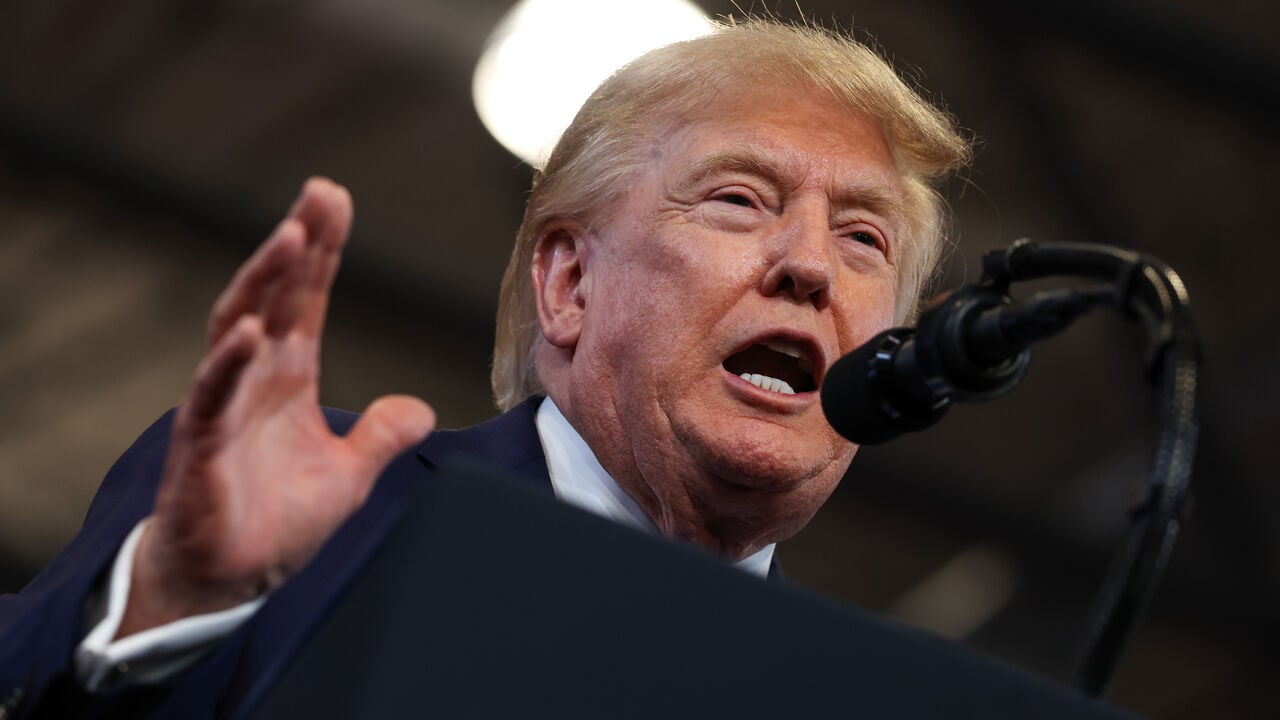
President Trump, speaking by phone to Fox News journalist Trey Yingst, turned on the country that has quietly served for decades as Washington’s back channel to Tehran. “If Oman gets in the way, we’ll bomb the shit out of them,” Trump said, on a day when a 60-day memorandum of understanding between the United States and Iran expired without either side producing a credible path to a permanent deal, or even a framework for beginning one.
A senior Iranian official warned separately, according to Al-Monitor, that Tehran would conduct “timely and precise” military attacks to break the American naval blockade if Washington failed to implement MoU terms within weeks. Monday’s deadline passed. No implementation had occurred.
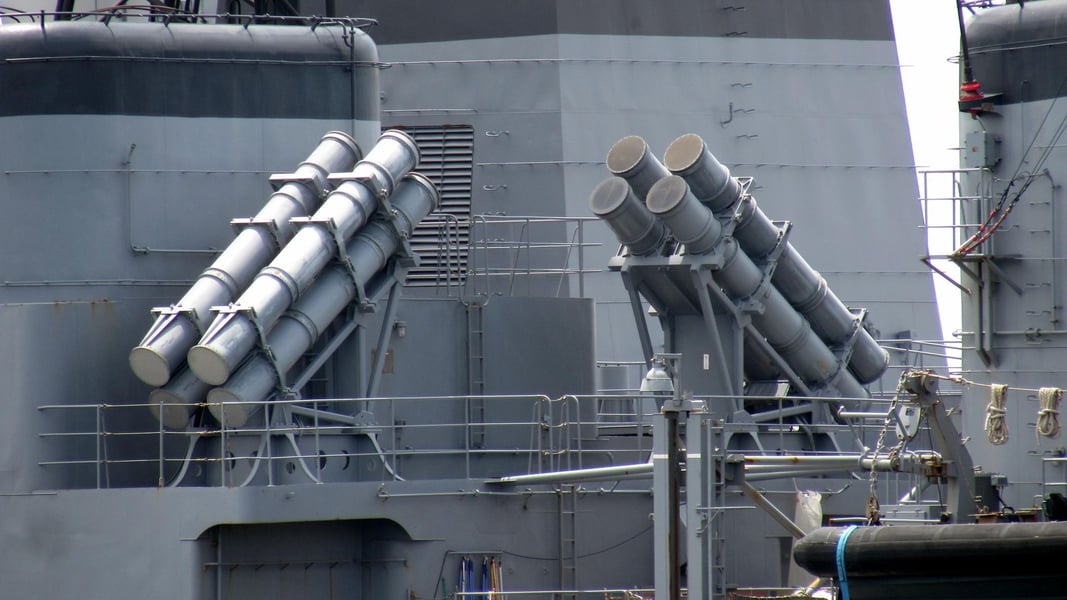
The MoU, signed by Trump and Iranian President Masoud Pezeshkian at Versailles in June, called for a halt to all military operations and a negotiated framework for reopening the Strait of Hormuz, the waterway that, before the war began in February, carried roughly a fifth of global oil supply. Both provisions collapsed. The United States retained its blockade on Iranian ports. Iran kept the strait effectively closed. NBC News reported the two sides were further apart when the 60 days ended than when they began.
Trump, when asked about his timeline, was dismissive. “I have no time schedule,” he told Yingst. “I’m not in a hurry… the midterms have nothing to do with my thinking.” He described Iran’s negotiators as “good poker players” who were “dying,” and confirmed a direct backchannel with officials from the Islamic Revolutionary Guard Corps.
Iran’s Foreign Ministry spokesperson Esmail Baghaei confirmed Monday that Tehran and Muscat had reached “an understanding regarding the map of the transit route” in the Strait. Ships entering the Gulf would traverse a northern lane through Iranian territorial waters; vessels leaving would travel a southern lane coordinated with Oman. No toll fees would apply during an interim period.
Baghaei was careful to emphasize the arrangement did not constitute a reopening of the Strait of Hormuz itself, and that any broader resolution depended on a political settlement, one that neither side indicated was forthcoming.
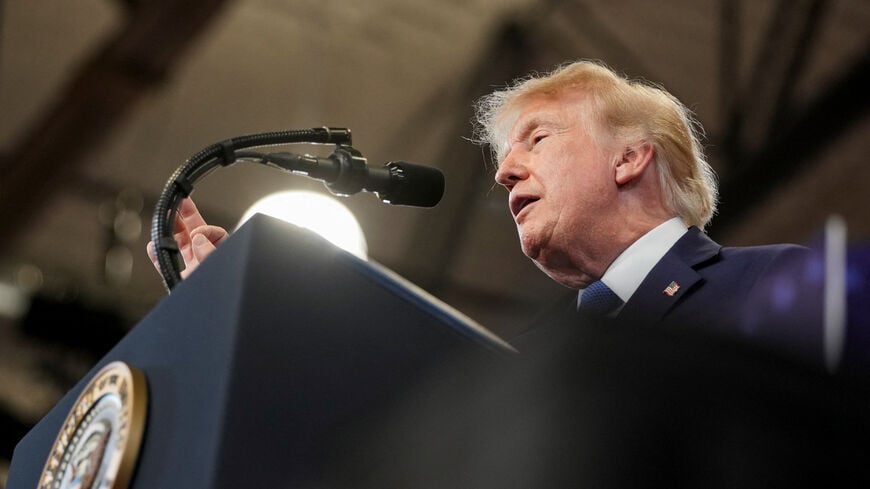
What changed Monday was not that the talks collapsed; they had effectively stopped weeks earlier. What changed was that the only formal framework for even the appearance of diplomacy officially expired, and the president of the country that imposed the blockade threatened the neutral party responsible for keeping dialogue possible.
Treasury Secretary Scott Bessent compounded the pressure, warning that Oman itself could face American sanctions if it continued facilitating Iranian cooperation. The Sultanate, which shares a 328-kilometer maritime border with Iran and whose ports at Salalah and Duqm have been used by the US Navy, now faces economic threats from the country whose military operations it has housed.
Separately, Trump announced plans to formally declare the Strait of Hormuz “a territory of the United States,” telling supporters he would do so “after we finish defeating Iran.” Iranian officials dismissed the idea as “fanciful delusions.” The declaration would have no recognized standing in international maritime law, which treats the strait as an international waterway.
On Truth Social, Trump described his nuclear position as absolute: “The number one Goal is, and always will be, that Iran cannot have, in any way, shape, or form, a Nuclear Weapon.” The statement came days after Vice President JD Vance had suggested publicly that lower American gas prices were the priority, a contradiction the White House did not explain.
The economic consequences of the standoff have been accumulating since February. The Strait of Hormuz previously carried approximately a fifth of global oil supply; since Iran closed it, traffic has fallen to a fraction of pre-war levels. Oil prices rose Monday as the deadline expired. The International Energy Agency has warned that global stockpiles are being consumed faster than they can be replenished.
The Iran war USS Abraham Lincoln deployment crisis, in which the carrier’s crew suffered a documented mental health emergency after 266 continuous days in waters off Iran, is one measure of how deeply American forces have been drawn into a posture with no clear exit point.
Where the situation goes from here depends on choices none of the parties have yet made public. Iran has not announced whether it will execute its threatened strikes on US naval assets. Oman has not said how it will respond to Bessent’s sanctions warning. Trump has not identified a development that would shift his timetable, or confirmed that he has one.