
The war that began with a wave of United States and Israeli airstrikes on Iran in late February has evolved into something broader and more consequential than a conventional military confrontation. It has become a test not only of power, but of the rules that govern it, and of who is allowed to break them.
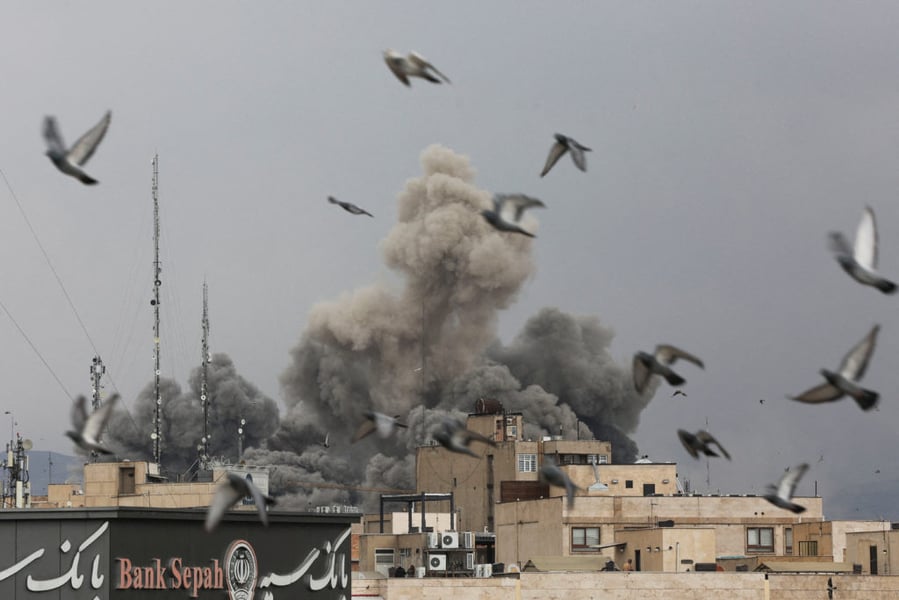
On February 28, US and Israeli forces launched hundreds of coordinated strikes across Iran, targeting military infrastructure, leadership compounds and government facilities. The scale of the opening assault was extraordinary, killing senior officials and causing civilian casualties, according to multiple reports.
The attack came during an ongoing period of diplomatic engagement, a detail that has since shaped much of the international reaction. Critics, including legal scholars and some policymakers, have described the strikes as a violation of Iranian sovereignty and a departure from established norms of international law.
Washington framed the operation as necessary to prevent Iran from advancing its missile and nuclear capabilities. But the multiplicity of justifications, ranging from preemption to broader strategic objectives, has complicated efforts to present the campaign as a narrowly defined security operation.
Iran’s response was swift and expansive. Within days, Tehran launched missile and drone strikes targeting Israel, US military bases, and allied positions across the region. The conflict quickly spread beyond a bilateral confrontation, drawing in multiple countries and exposing the geographic breadth of the escalation.
At sea, the confrontation took on a global dimension. Iran moved to close the Strait of Hormuz, a chokepoint through which roughly a fifth of the world’s oil supply passes. The move sent global markets into turmoil and disrupted shipping routes across the Gulf.
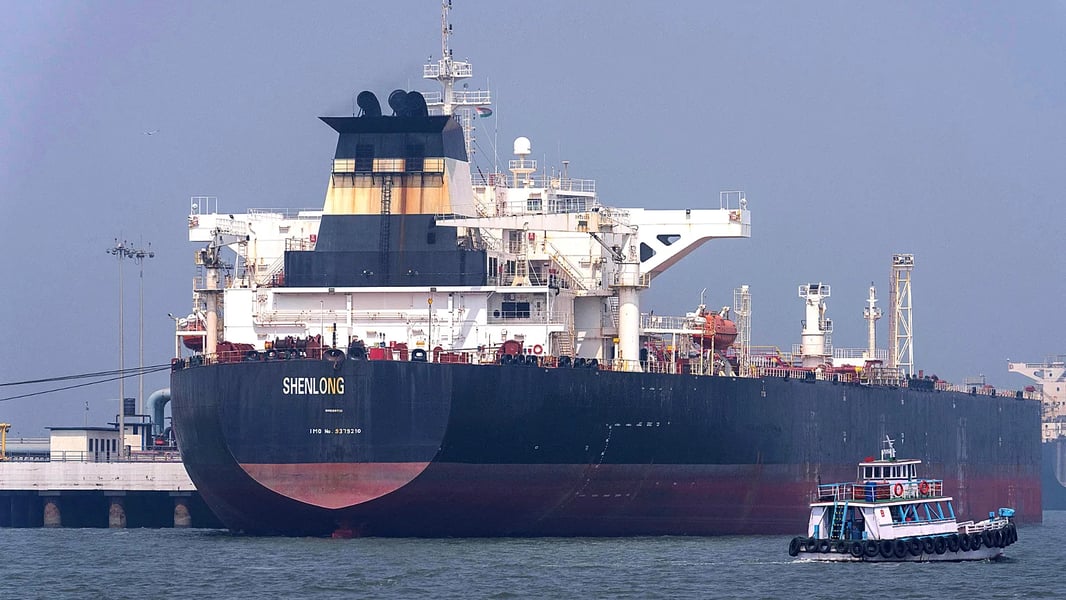
In response, the United States imposed a naval blockade targeting Iranian maritime traffic, restricting access to ports and intercepting vessels. Despite ongoing diplomatic efforts, the blockade remains in place, even as Iran has moved to reopen key shipping routes.
Recent developments illustrate the fragile nature of the situation. Iran announced that the Strait of Hormuz had been reopened during a temporary ceasefire, a move that immediately calmed markets and sent oil prices sharply lower, according to Reuters.
Yet the reopening has come with conditions. Iranian officials have made clear that continued restrictions or escalation, particularly the persistence of the US blockade, could prompt further action. Shipping through the strait now operates under heightened scrutiny and coordination with Iranian authorities.
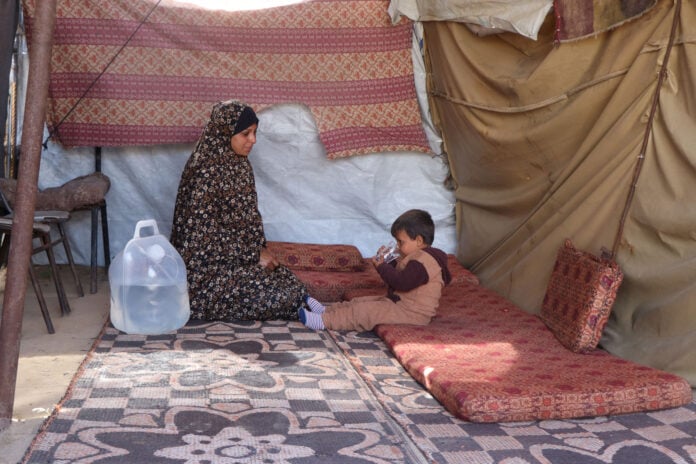
The human and economic consequences have been substantial. Iranian infrastructure, including both military and civilian facilities, has suffered significant damage, while the region has experienced oil markets experiencing some of the most severe disruptions in decades.

Even within the United States, the war has prompted a domestic backlash inside the United States, as protests and political divisions highlight the difficulty of sustaining public support for prolonged military engagement.
Meanwhile, the risks of escalation remain acute. Incidents involving international personnel and cross-border strikes have underscored the dangers, including growing risks to international forces operating in the region.
For governments across the Gulf and beyond, the war has narrowed the space for neutrality. Countries that once sought to balance relations with both Washington and Tehran are finding that economic exposure and security risks now demand more explicit choices.
Markets have responded accordingly. Following Iran’s decision to keep the Strait of Hormuz open during the ceasefire, US stock indexes surged while oil prices fell sharply, reflecting investor hopes that the conflict may stabilize.
Still, the underlying dynamics remain unresolved. Analysts warn that recovery in energy supply could take months, even if hostilities subside, given the scale of disruption across production and infrastructure.
What has emerged is a conflict that challenges not only strategic assumptions but also the credibility of the international system itself. The initial strikes, carried out without broad international consensus, and the subsequent escalation have reinforced a perception, particularly outside the West, that the rules governing the use of force are applied unevenly.
For Iran, the war has become both a military confrontation and a test of endurance. By absorbing the initial shock and maintaining its position across key strategic points, including the Strait of Hormuz, Tehran has demonstrated its capacity to shape the trajectory of the conflict.
For the United States and Israel, the challenge now lies in translating military action into a sustainable political outcome, a task that has historically proven far more difficult than initiating force.
The result is a war that resists simple conclusions. It is not a contained conflict, nor one that allows easy neutrality. Instead, it is a prolonged and evolving crisis that is redefining the balance of power, the limits of intervention, and the cost of staying on the sidelines.