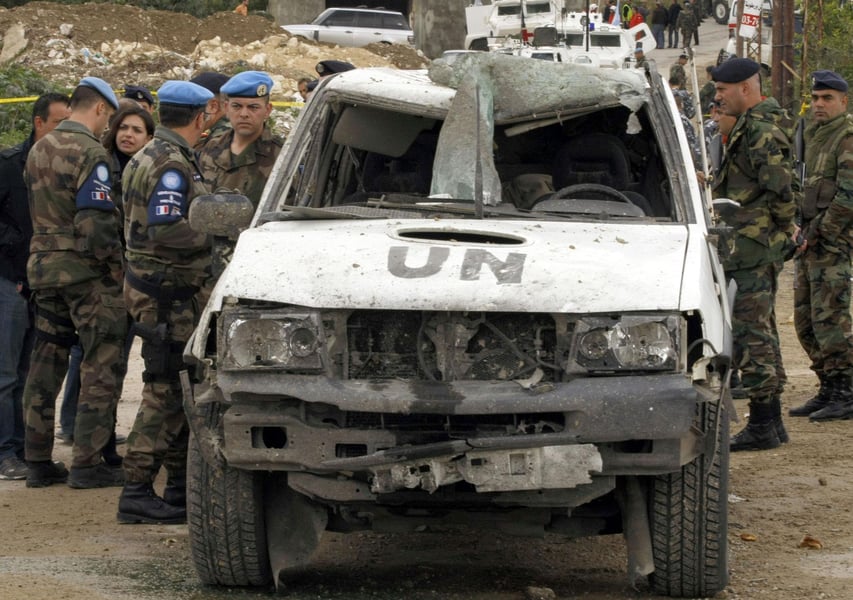

UNITED NATIONS (SPUTNIK)— A United Nations investigation into the deaths of three peacekeepers in southern Lebanon has delivered a stark and politically charged conclusion: one of the fatalities was caused by Israeli tank fire, while two others were likely killed by an improvised explosive device attributed to Hezbollah, according to preliminary findings released Tuesday.
The dual findings underscore the increasingly precarious position of international forces trapped between intensifying hostilities, as the conflict between Israel and Hezbollah expands into one of the most volatile phases in decades.
The incidents occurred on March 29 and March 30 in southern Lebanon, where members of the United Nations Interim Force in Lebanon (UNIFIL), primarily Indonesian peacekeepers, were deployed in areas that have since become active combat zones.
According to the UN’s preliminary assessment, three Indonesian peacekeepers were killed in two separate incidents that have drawn global scrutiny and renewed concerns about the safety of UN missions.
The first attack involved a direct strike on a UN position in the village of Aadchit al-Qusayr. Investigators determined that the projectile was a 122-millimeter round fired from an Israeli Merkava tank, based on forensic analysis of the blast site and recovered fragments.
The conclusion marks one of the clearest acknowledgments yet by the United Nations that Israeli military fire directly caused the death of a peacekeeper during the current escalation, a finding likely to intensify scrutiny of Israel’s conduct in Lebanon.
The second incident, which occurred a day later near the town of Bani Haiyyan, involved a UN convoy struck by a roadside explosion. The blast was triggered by a tripwire improvised explosive device, most likely planted by Hezbollah, according to initial UN findings.
Together, the attacks represent the deadliest incident involving UNIFIL personnel since the outbreak of renewed hostilities on March 2.
The deaths have prompted renewed warnings from UN officials that peacekeepers are increasingly being drawn into the line of fire in a conflict where traditional boundaries between combatants and neutral forces are rapidly eroding.
“These incidents are a tragic reminder of the dangers faced by peacekeepers operating in volatile environments,” a senior UN official said, speaking on condition of anonymity due to the sensitivity of the investigation.
A War Expanding Beyond Control
The killings come amid a broader escalation that has engulfed Lebanon since early March, when Hezbollah resumed rocket attacks on Israeli territory, triggering a large-scale Israeli military response.
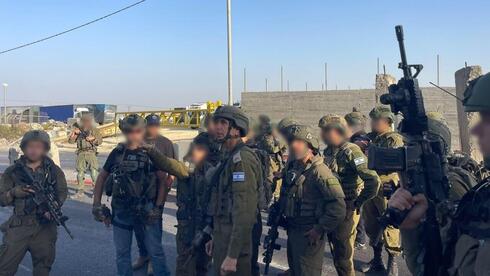
Israel has since launched widespread airstrikes and a ground offensive into southern Lebanon, with officials declaring an objective to dismantle Hezbollah’s military infrastructure and push its fighters away from the border.
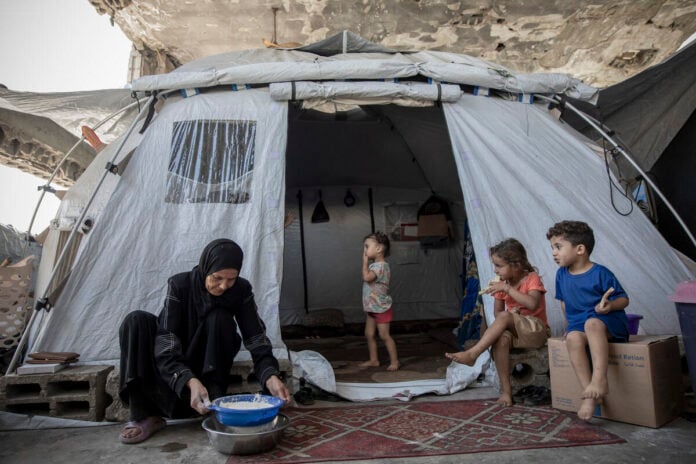
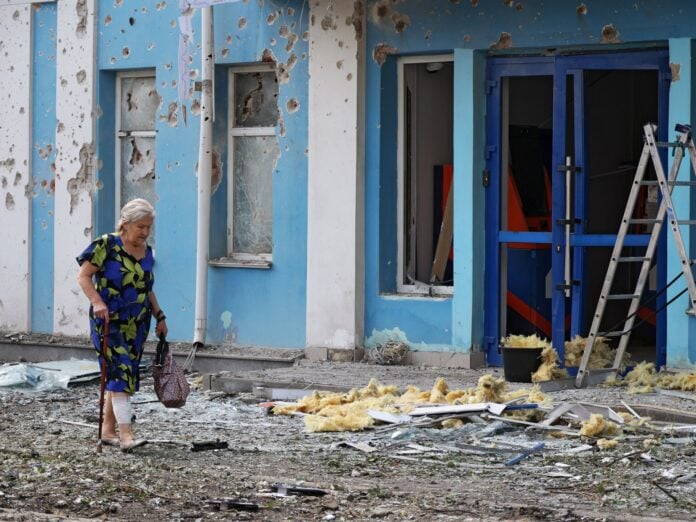
The consequences have been devastating. Hundreds have been killed and hundreds of thousands displaced, with entire area reduced to rubble and civilian infrastructure severely damaged.
For UNIFIL, which has maintained a fragile presence in southern Lebanon since 1978, the conflict has transformed its mission from peacekeeping into survival.
“They are no longer monitoring a ceasefire,” said one diplomatic source familiar with UN operations. “They are operating in an active war zone.”
Escalation and Accountability
The UN’s findings also highlight the complexity of assigning responsibility in a conflict where both sides have offered sharply divergent accounts.
Israeli officials have repeatedly denied targeting UN personnel and have argued that Hezbollah operates in close proximity to UN positions, effectively using them as shields.
At the same time, Hezbollah has accused Israel of indiscriminate attacks across Lebanon, including strikes affecting civilians and international personnel.
The UN investigation appears to validate elements of both narratives, while also exposing the inherent risks faced by peacekeepers operating amid overlapping military operations.
Indonesia has called for a transparent and thorough investigation, reflecting growing international concern over the safety of UN personnel.
A Pattern of Dangerous Incidents
The latest fatalities are not isolated. In recent weeks, UN positions have been repeatedly struck, convoys targeted, and troops exposed to mounting risks.
Reports indicate that UNIFIL positions have come under repeated fire, reinforcing concerns that peacekeepers are no longer being treated as neutral actors on the battlefield.
International alarm has grown as additional incidents involving UN troops have emerged, including intimidation and attacks on European contingents.
A Mission at a Breaking Point
The deaths have reignited debate over the future of UNIFIL, which is already scheduled to wind down operations by the end of 2026.
Critics argue that the mission has become increasingly ineffective in containing the conflict, while supporters warn that its withdrawal could further destabilize the region.
For now, UN peacekeepers remain deployed in one of the world’s most dangerous conflict zones, tasked with maintaining peace where little remains.
As investigations continue and diplomatic tensions rise, one reality is increasingly unavoidable: neutrality in Lebanon’s war is becoming not just difficult, but potentially impossible.