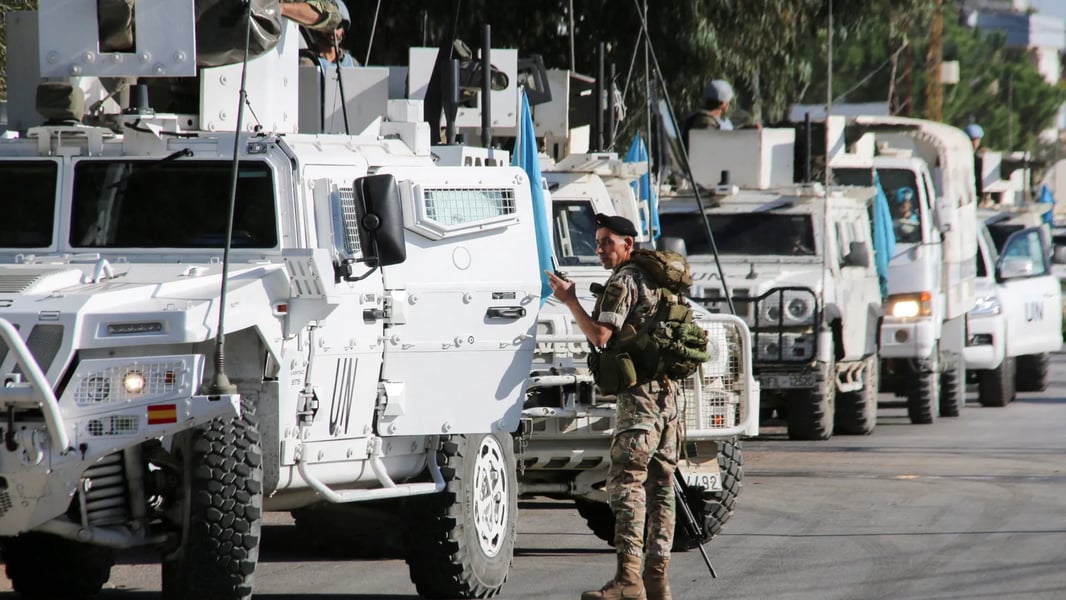

Southern Lebanon — UNIFIL personnel narrowly escaped injury after Israeli forces opened fire near a marked UN vehicle operating in the border region, in a flagrant breach of international law and the painstakingly brokered ceasefire agreement established in 2024.
UN troops reported that Israeli tank shells and heavy machine gun rounds landed meters away as they conducted routine patrols along the Blue Line, Lebanon’s southern frontier demarcated by the United Nations to prevent clashes. This incident marks a dangerous escalation and the latest in a series of attacks targeting international peacekeeping mission personnel tasked with maintaining peace, fueling fears that the region’s fragile stability hangs by a thread.
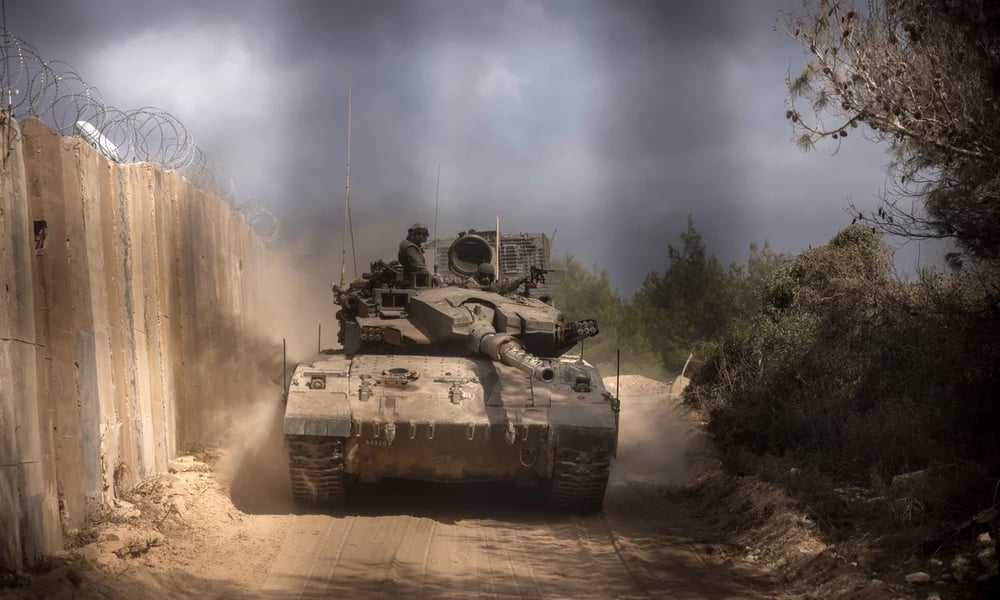
The November firing is not isolated. UNIFIL sources and local activists have documented an alarming pattern of direct attacks and intimidation, pointing to over 30 targeted incidents against the peacekeeping mission in 2024 alone. Analysts note the systematic nature of these acts constitutes grave violations of Security Council Resolution 1701, which mandates that all parties must respect UN peacekeeping operations and refrain from hostilities across the border.
International humanitarian law, under the Geneva Conventions, strictly prohibits the targeting of neutral third parties and civilian infrastructure, regardless of purported military aims. Legal scholars warn that the deliberate or reckless endangerment of peacekeepers, a non-combatant force, could amount to a prosecutable war crime if proven intentional.
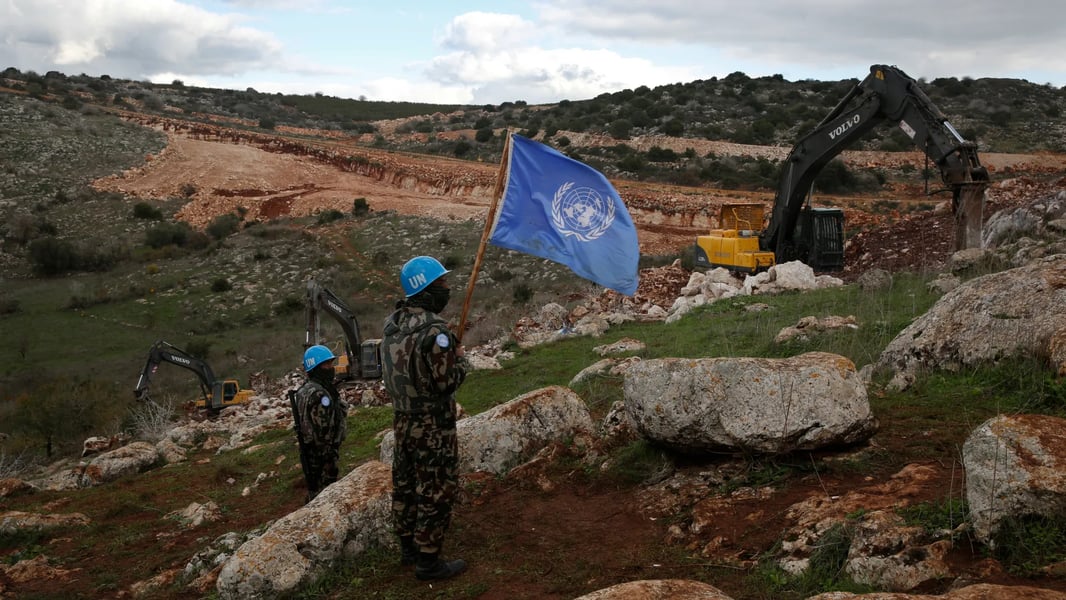
Israeli military sources offered initial denial and then suggested the incident was a case of mistaken identity. Official statements to local media attempted to frame it as an “error under battle conditions,” contradicting direct claims and photographic evidence supplied by UNIFIL patrols, which show clearly marked vehicles with visible blue United Nations insignia.
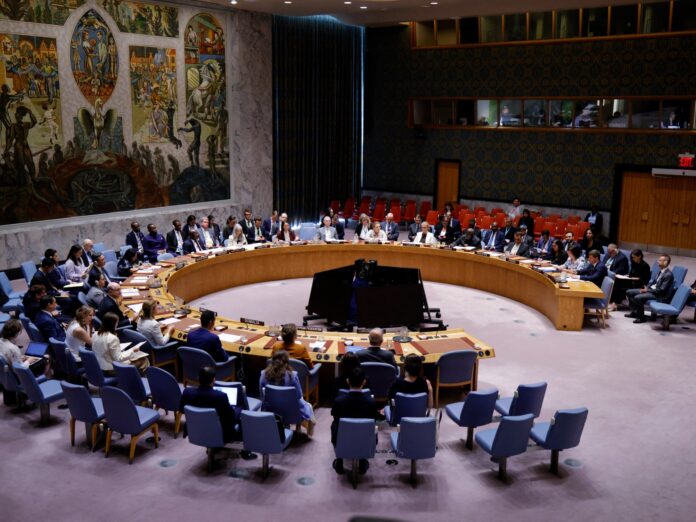
The UNIFIL spokesperson expressed “deep concern” and pressed Israel for a thorough and transparent investigation. Several European governments, which contribute troops to UNIFIL, including France and Italy, have summoned Israeli diplomats for clarification and condemned the action as “reckless disregard” for the neutrality of peacekeeping mandates.
Under the Rome Statute of the International Criminal Court, it is defined as a war crime to knowingly attack or direct attacks against personnel, installations, material, units, or vehicles involved in a humanitarian assistance or peacekeeping mission, provided they are entitled to the protection by the international law of armed conflict.
While the case is under ongoing investigation, rights groups such as Human Rights Watch and Amnesty International are urging the ICC and the UN Human Rights Council to monitor closely. The principle of distinction between combatants and non-combatants is fundamental, and attacks on peacekeepers risk eroding the legitimacy of international law itself.
Security analysts warn that assaults on UNIFIL also risk sparking broader hostilities between Israel and Hezbollah. Since the 2024 ceasefire, both sides have accused one another of repeated violations, but attacks on a third-party peacekeeping force expose civilians to further danger as UN personnel withdraw temporarily from the most dangerous sectors.
“The targeting of peacekeepers undermines the only remaining buffer between the two sides,” said a senior UN commander, speaking anonymously due to operational constraints. “If this continues, the risk of an uncontained spiral of violence multiplies.”
Witnesses in southern villages described scenes of panic as UN patrol vehicles suddenly veered off roads under fire, narrowly avoiding casualties. Local authorities called for reinforced protection of international personnel and criticized Israel’s conduct as “utterly irresponsible,” demanding robust UN Security Council action.
Civil society representatives argue that the region’s civilian population, already reeling from previous border clashes, faces true jeopardy if peacekeepers become routine targets. Previous attacks have forced UNIFIL to suspend patrols for days or weeks at a time, leaving rural communities exposed to cross-border sniper fire and random shelling.
The incident has reignited debate over enforcement mechanisms within international law. Advocates highlight the lack of meaningful consequences for serial violations by powerful state actors like Israel. Amnesty International and Human Rights Watch urged the UN Secretary-General to dispatch an independent inquiry team equipped with forensic and legal experts, calling for accountability for “grave breaches of peacekeeping protections.”
Regional observers believe irreparable damage will be done to the credibility of protection missions unless the international community insists on punishment, whether through diplomatic pressure, sanctions, or referral to the ICC.
“Each unpunished assault chips away at the pillars of lawful conduct in armed conflict,” said a Beirut-based legal analyst. “If states believe peacekeepers are fair game, nobody is safe, not aid workers, not medical teams, not journalists.”
Established in 1978 and reinforced after the 2006 Lebanon war, UNIFIL’s mandate aims to prevent hostilities and protect civilians. Its mandate was renewed in August 2025 under Security Council Resolution 2695, reflecting continuing insecurity in the border zone and repeated calls from Lebanese politicians and the international community for more effective action.
Incidents such as this undermine UNIFIL’s effectiveness and embolden those willing to flout international law. If left unchecked, the latest attack sets a dangerous precedent not only for Lebanon but for global peacekeeping efforts.
From an editorial standpoint, Israel’s action represents more than a tactical miscalculation, it exposes a systemic disregard for international norms and the safety of unarmed mediators. Regardless of operational intent, the failure to distinguish and protect UN personnel in conflict zones is unacceptable for any state claiming adherence to global humanitarian standards.
The United Nations, and by extension the global community, must demand accountability. Anything less signals indifference to the rule of law and the sanctity of life amid military escalation.