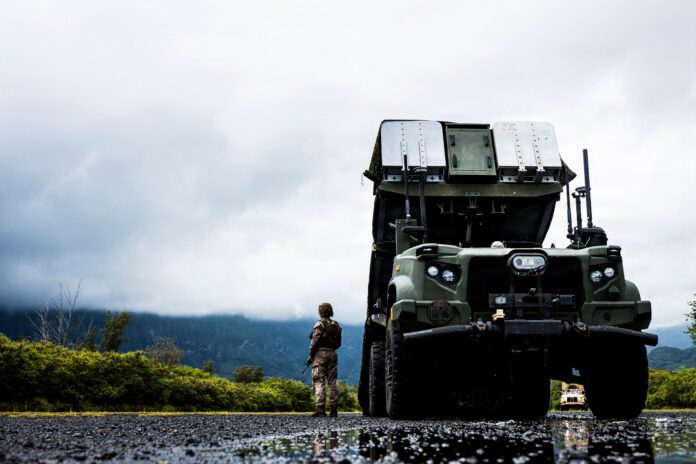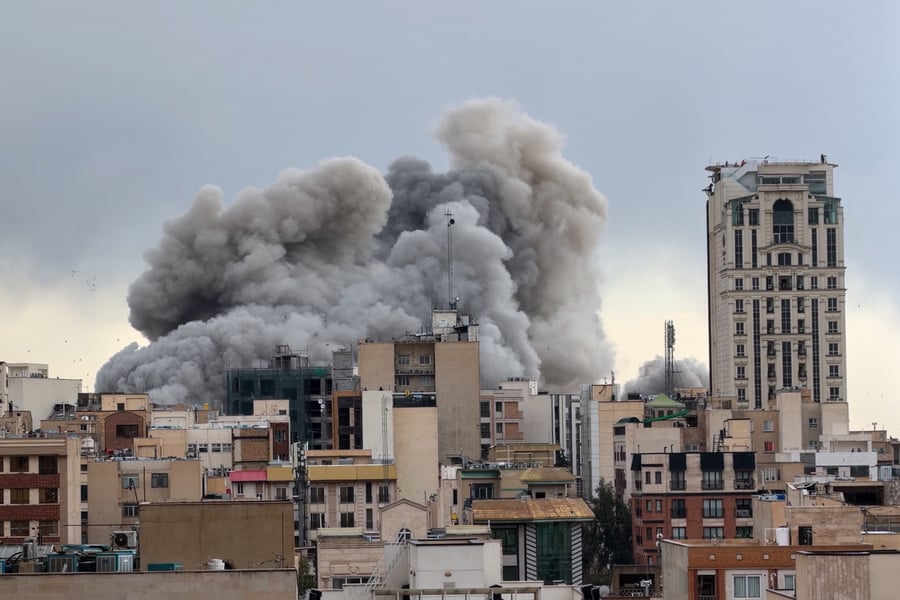

The war that erupted on February 28 with coordinated strikes by Israel and the United States has rapidly evolved into one of the most dangerous geopolitical confrontations in recent history, a conflict that is no longer confined to two nations, but is reshaping alliances, economies, and the fragile balance of power across the Middle East.
From the outset, the scale of the attack was unprecedented. Waves of airstrikes hit Iranian cities, military installations, and strategic infrastructure, marking what analysts describe as a decisive shift from covert confrontation to open war. Israeli and US forces pounded targets across Iran, prompting immediate retaliation and pushing the region toward a broader crisis.
Iran responded almost immediately, launching ballistic missiles and drones toward Israeli territory and US-linked bases across the region, opening multiple fronts in what has since become a sprawling and unpredictable conflict.
Civilian Toll and a War Under Legal Scrutiny
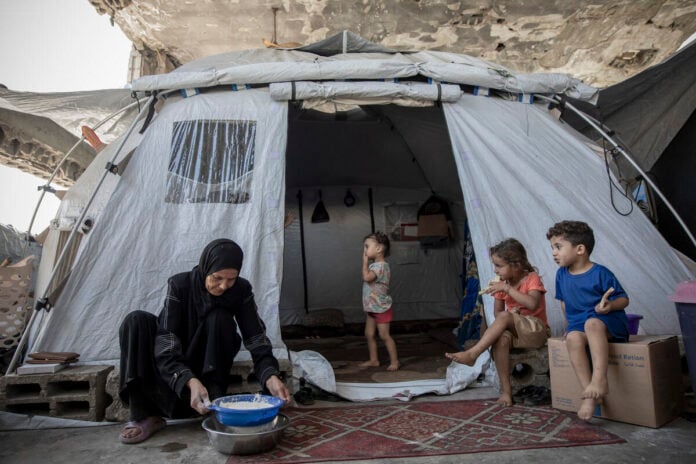
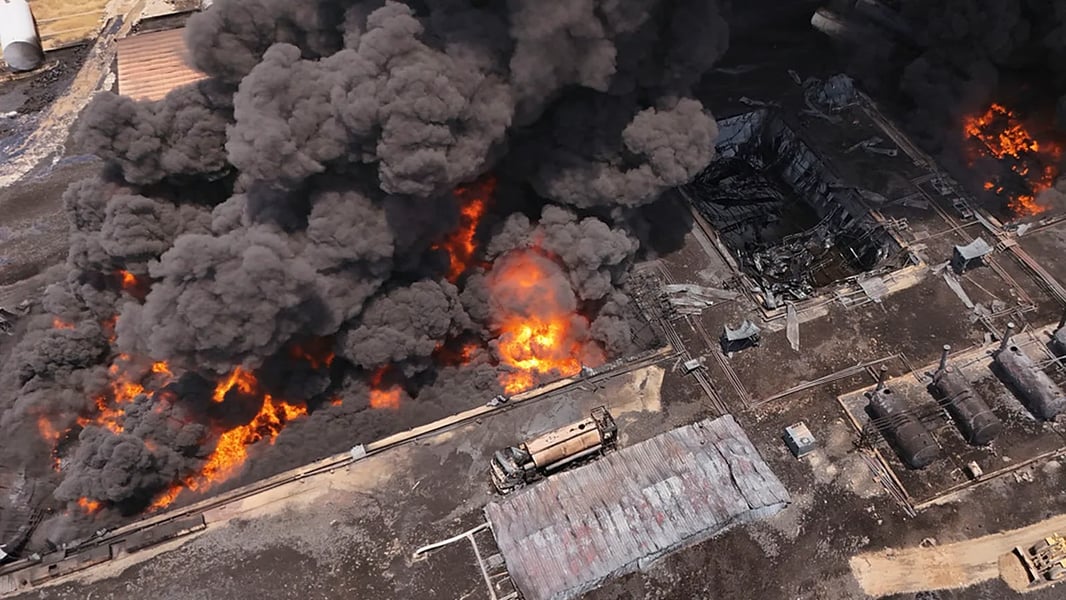
As the conflict has intensified, so too has concern over its human cost. Estimates compiled by monitoring groups suggest that thousands have been killed since the war began, including a significant number of civilians, though precise figures remain difficult to independently verify.
The scale of civilian harm, particularly from strikes on urban areas, has drawn increasing scrutiny from legal experts and human rights organizations. Analysts warn that attacks which may violate the principles of proportionality and distinction could raise serious questions under international law.
This scrutiny is echoed in coverage such as civilian deaths and infrastructure strikes, where the growing human toll has become central to global outrage.
Iran’s Response: Resilience Over Collapse
Despite the intensity of the bombardment, Iran has not collapsed. Senior officials have appeared publicly in Tehran, projecting stability and signaling that the state remains intact even under sustained attack.
Intelligence assessments suggest that a significant portion of Iran’s missile and drone arsenal remains operational, enabling continued retaliatory strikes across the region.
A War Expanding Beyond Its Origins
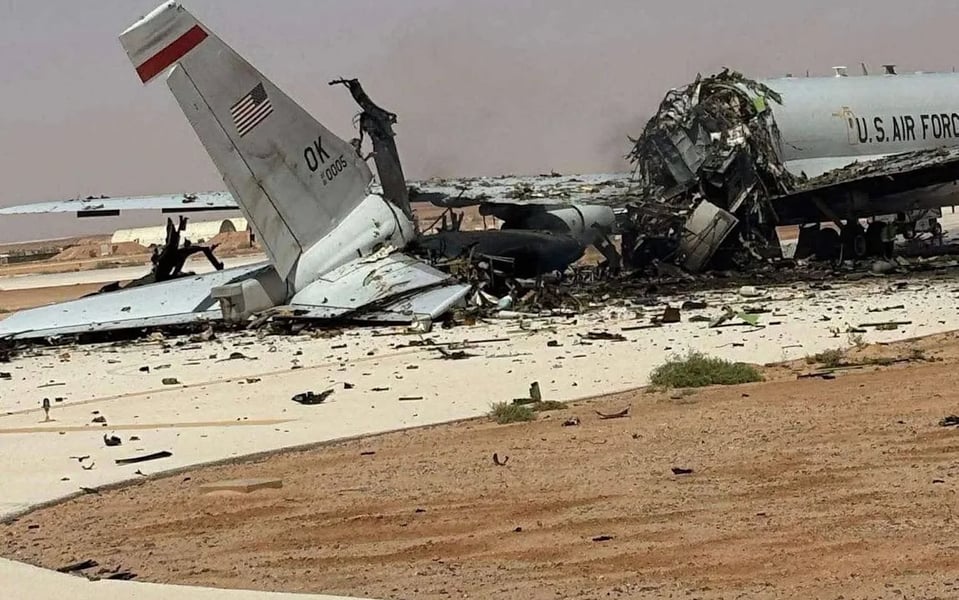
The conflict is no longer limited to Israel and Iran. What began as a targeted military campaign has become a broader regional confrontation, a reality explored in war expanding beyond its origins.
Iranian retaliation has reached across the Gulf and into neighboring states, while allied groups have entered the conflict, opening additional fronts. Iraq, for instance, is now facing deep internal divisions as the war spreads beyond its initial boundaries.
Washington’s Strategy Under Fire
The role of the United States has become central to both the execution of the war and the criticism surrounding it. Increasingly, Washington’s strategy under fire reflects growing doubts about the long-term viability of the campaign.
Polling data shows rising concern among Americans about the war’s economic and political consequences, while analysts warn that the conflict may represent a strategic miscalculation rather than a decisive victory.
Rather than weakening Iran decisively, some experts argue the war may be strengthening hardline elements within the country, a concern explored in war may be strengthening hardline elements.
Global Economic Shockwaves
Beyond the battlefield, the war is reverberating through global markets. The disruption of energy flows and rising uncertainty have led to global economic shockwaves, with oil prices surging and supply chains under strain.
These disruptions are already impacting global trade, particularly through the Strait of Hormuz, where tensions threaten one of the world’s most critical energy corridors.
A Conflict Without Clear Endgame
As the war enters its second month, its trajectory remains uncertain. Diplomatic efforts have stalled, and new mediators are emerging as traditional power structures struggle to contain the crisis.
Meanwhile, the risk of further escalation, whether through additional regional actors or expanded military operations, continues to grow.
A War That Raises More Questions Than Answers
The phrase Israel attacks Iran may capture the opening moment of the conflict, but it fails to capture its full scale.
This is no longer a limited military operation. It is a regional war with global consequences, one that is testing international law, reshaping alliances, and raising fundamental questions about the future of global power.
For Washington, the challenge is no longer simply military. It is political, economic, and moral. And for the world, the question is becoming harder to ignore: whether this war will ultimately achieve stability, or deepen the very instability it was meant to prevent.