
The war now widely described as Israel Attacks Iran has evolved into one of the most consequential conflicts in the modern Middle East, combining sustained aerial bombardment, artificial intelligence–driven targeting and widening regional retaliation. What began as a series of coordinated strikes has expanded into a prolonged confrontation with mounting civilian casualties and global economic shockwaves.
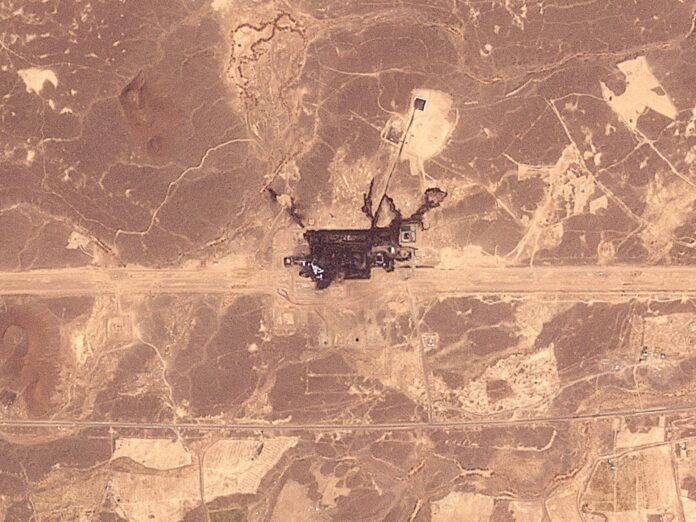
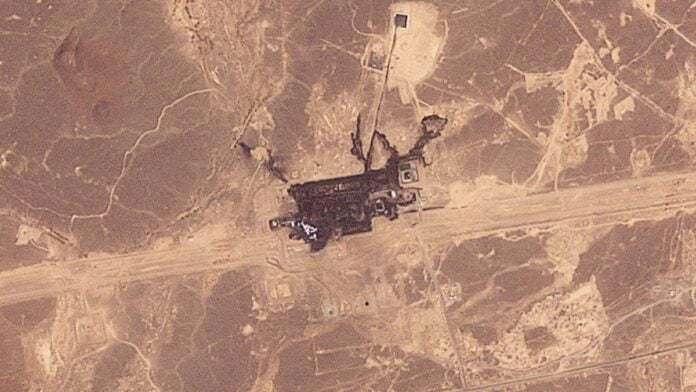
The offensive, launched as a joint US–Israeli operation targeting Iran’s nuclear infrastructure, military command networks and political leadership, has struck major cities including Tehran and Isfahan. The scale of the campaign has been extraordinary. US officials have acknowledged more than 11,000 strikes within the first month of operations, underscoring both the intensity and reach of the bombardment.
Israeli military officials have indicated readiness to sustain operations for weeks, reinforcing expectations of a prolonged conflict. Israeli military officials have indicated readiness to sustain operations for weeks, suggesting that the campaign is far from its conclusion.
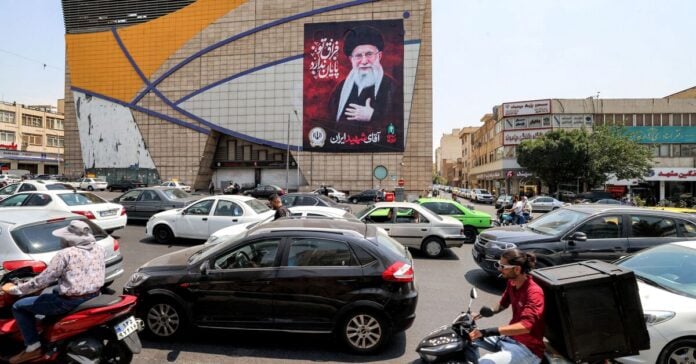
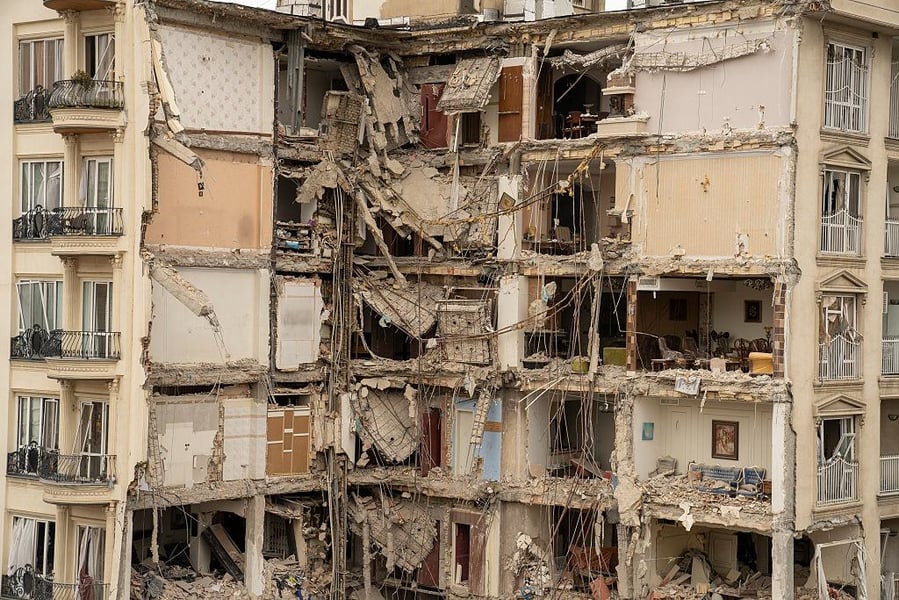
Despite the emphasis on strategic targets, the human toll has been significant. Iranian authorities and independent observers report widespread damage to civilian infrastructure, including residential neighborhoods and public services. Legal analysts have raised concerns about proportionality, particularly as strikes increasingly reach densely populated areas.
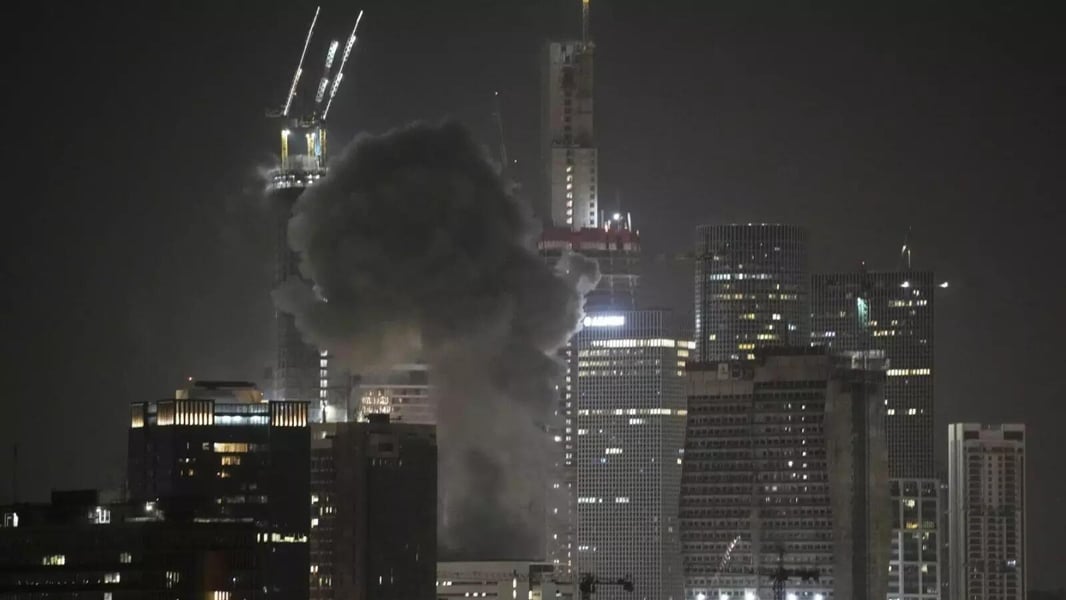
Reports further indicate that systems have been used to identify and eliminate leadership targets, with investigations pointing to operations that have targeted high-value individuals within Iran’s leadership. Critics argue that such tactics blur the line between conventional warfare and automated assassination programs.
At the same time, the conflict has expanded beyond Iran’s borders. Tehran continues to launch missiles and drones toward Israeli territory and allied positions, maintaining pressure across multiple fronts. Iran continues to launch missiles and drones toward Israeli territory, demonstrating both resilience and adaptability in the face of sustained bombardment.
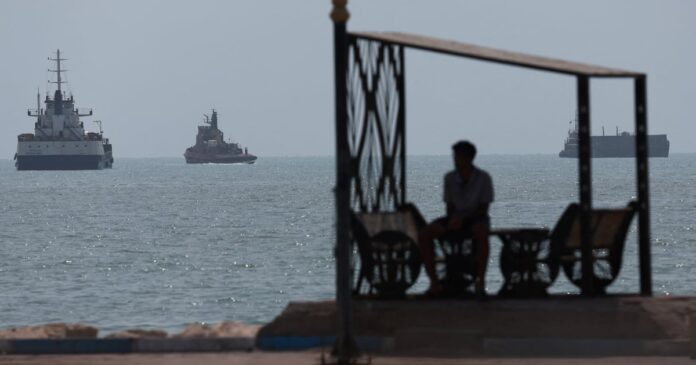
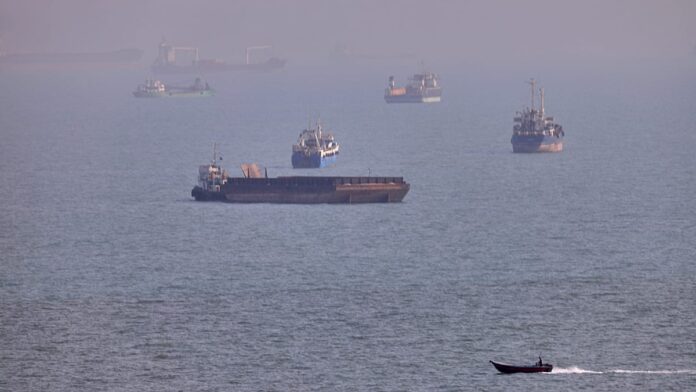
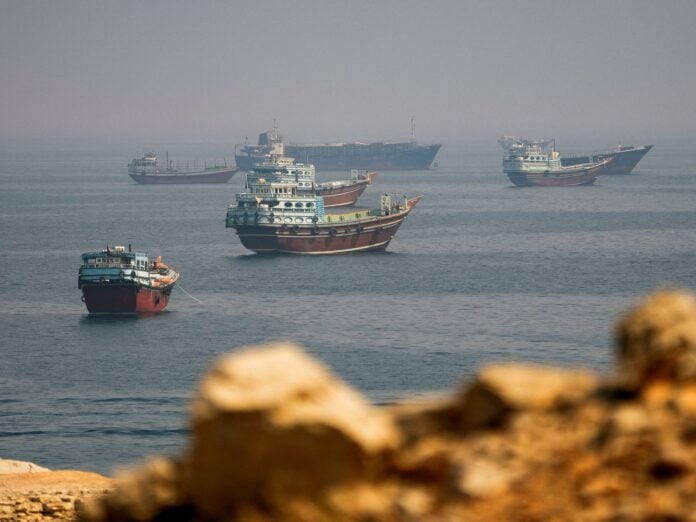
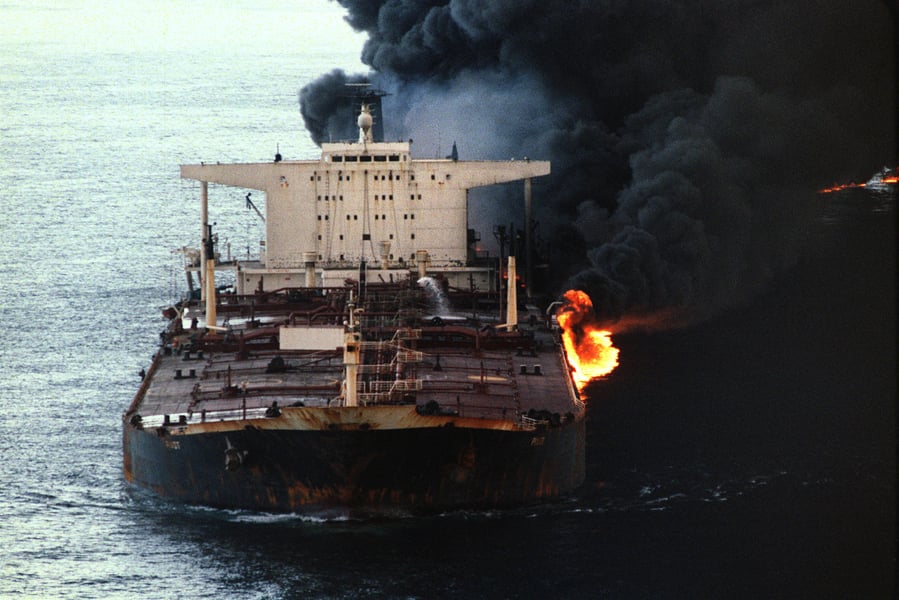
One of the most immediate global concerns is the threat to energy markets. The war has intensified threats to key global trade routes, particularly the Strait of Hormuz, through which a significant portion of the world’s oil supply passes. Recent incidents involving tanker attacks have underscored the vulnerability of maritime infrastructure.
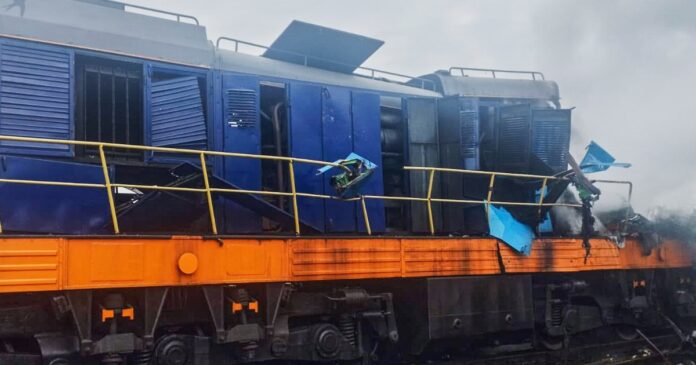
In one such escalation, threats to maritime supply chains and oil infrastructure became reality when an oil tanker was struck near Dubai, amplifying fears of disruption to global energy flows. Oil markets have reacted sharply, with price volatility reflecting uncertainty over supply stability.
Political rhetoric from Washington has further intensified concerns. Political rhetoric from Washington has included threats of further escalation, including statements suggesting potential strikes on Iran’s energy infrastructure, raising the stakes of the confrontation.
Meanwhile, the broader conflict continues to reverberate across the region. Missile strikes have caused casualties and damage to residential areas, while economic disruption has spread beyond the immediate battlefield. These developments reinforce the view that the war is not confined to a single front but is reshaping regional dynamics.
Some analysts argue that the campaign reflects a strategic miscalculation. As explored in Israel Attacks Iran developments, the sustained assault has triggered a level of retaliation and regional mobilization that may prove difficult to contain.
The conflict has expanded into one of the most consequential conflicts in the modern Middle East, with implications that extend far beyond the region. The conflict has expanded into one of the most consequential conflicts in the modern Middle East, reflecting both its scale and its potential to reshape global geopolitics.
Missiles and drones toward Israeli territory and allied positions continue to define the pace of escalation. Missiles and drones toward Israeli territory and allied positions remain central to Iran’s response, highlighting the persistence of asymmetric warfare tactics.
As the campaign continues, questions remain about its ultimate trajectory. The campaign may continue for an extended period, with little indication that either side is prepared to step back. The campaign may continue for an extended period, further deepening uncertainty across the region.
For civilians, the consequences are immediate and enduring. Missile strikes have caused casualties and damage to residential areas, underscoring the human cost of a conflict increasingly defined by technological sophistication and strategic escalation. Missile strikes have caused casualties and damage to residential areas, a reality that continues to unfold across multiple fronts.
What began as a targeted campaign has now become a defining geopolitical crisis. The phrase Israel Attacks Iran no longer describes a single operation, but an evolving conflict in which military power, technology and global economic interests are increasingly intertwined.