
The narrative of the Iran war is no longer being shaped solely by missiles, airstrikes, or territorial control. It is being rewritten in real time by political messaging from Washington, messaging that is increasingly at odds with facts on the ground.
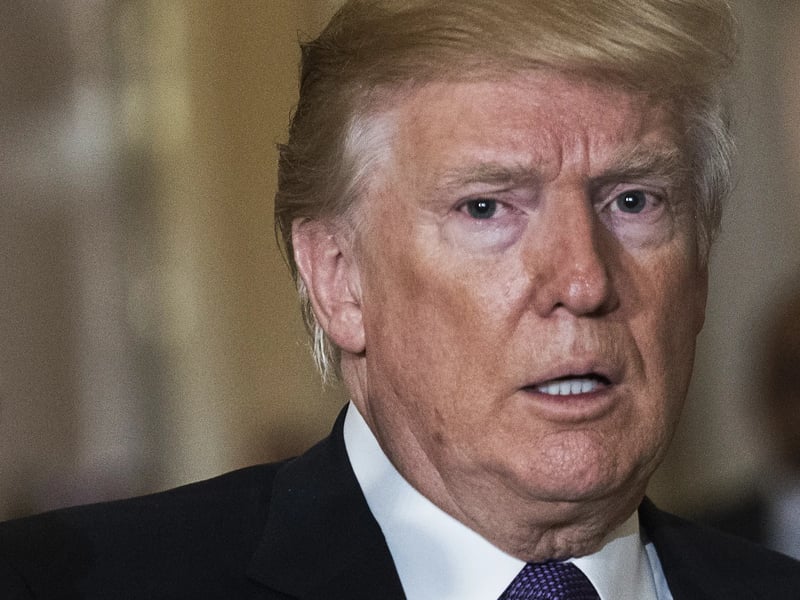
At the center of this contradiction is President Donald Trump, who has begun signaling what appears to be an “endgame” to the war even as military operations continue across Iran and the wider Middle East. In recent statements, Trump has claimed that Iran is seeking a ceasefire and that the conflict could soon come to an end. Tehran, however, has categorically denied these assertions, exposing what analysts describe as a widening gap between US rhetoric and battlefield reality.
According to multiple reports, Trump stated that Iran had “asked for a ceasefire,” while insisting that the United States would only consider such a move once the Strait of Hormuz is open and secured. Iran’s foreign ministry swiftly rejected the claim as “false and baseless,” reinforcing its position that no direct negotiations are underway.
This contradiction is not an isolated incident. It reflects a broader pattern that has defined the war from its earliest days — a pattern in which Washington has repeatedly projected confidence, progress, and imminent victory, while the conflict itself continues to escalate.
From the outset, the war’s objectives have been fluid. Initially framed as a preemptive strike to neutralize Iran’s nuclear capabilities, the campaign quickly expanded into a broader effort targeting military infrastructure and leadership networks. Yet as the war dragged on, the narrative shifted, not toward escalation, but toward an increasingly urgent push to declare success and move toward withdrawal.
Recent reporting suggests that Trump now signals a rapid withdrawal from the Iran war, claiming that US forces could leave within weeks regardless of whether a formal agreement is reached. This apparent urgency reflects mounting economic and political pressure, both domestically and globally.
At the same time, the Strait of Hormuz, a critical chokepoint, has emerged as the central bargaining chip in the conflict. Trump has repeatedly tied any ceasefire to the reopening of this strategic waterway, through which a significant share of global oil supply passes.
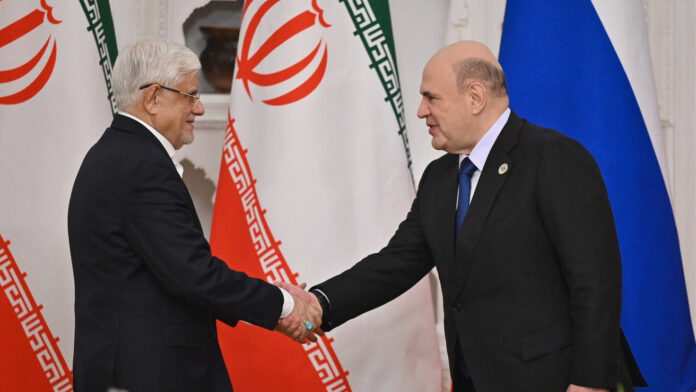
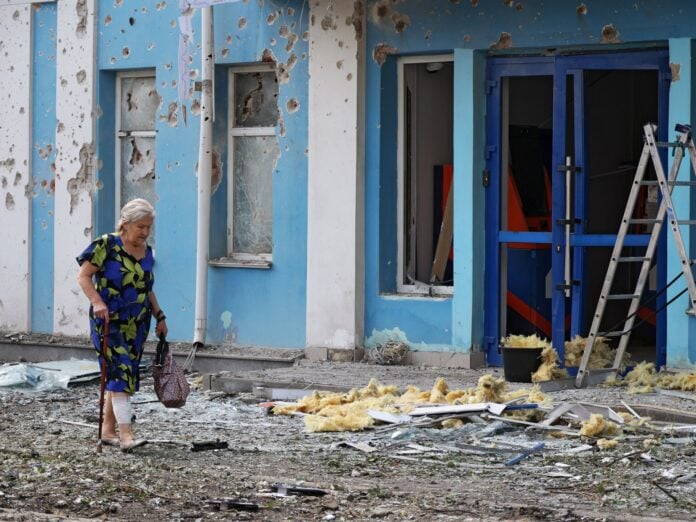
Yet even as ceasefire rhetoric intensifies, military operations have not stopped. Airstrikes continue, and regional tensions remain high. Reports indicate that diplomatic efforts are ongoing through intermediaries, but no formal agreement has been reached, and both sides remain far apart on core conditions.
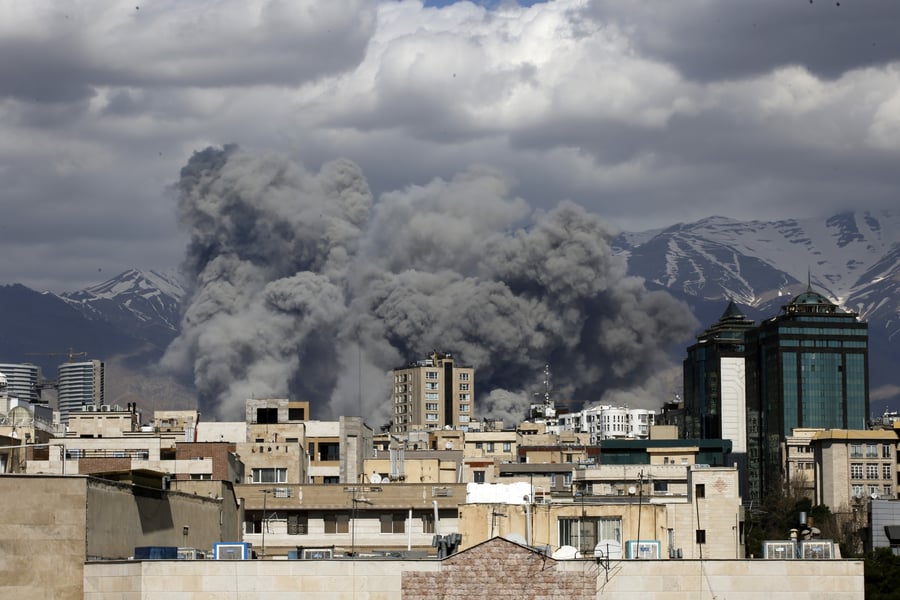
This instability has triggered significant volatility in global energy markets, pushing oil prices higher and raising fears of a wider economic slowdown. At the same time, even tentative signals of de-escalation have caused markets to rally, highlighting how closely financial systems are tied to political messaging.
For ordinary citizens, the impact is immediate and tangible. Rising fuel costs and inflationary pressure are becoming central political issues, as economic pressure and rising fuel costs reshape public opinion. In the United States, fuel prices surged past $4 per gallon, fueling discontent and increasing pressure on policymakers to end the conflict.
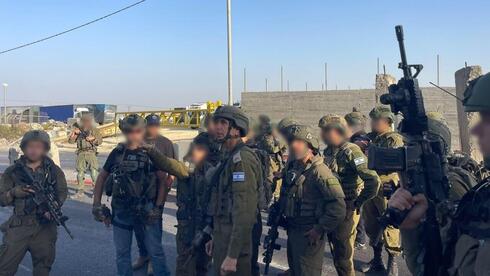
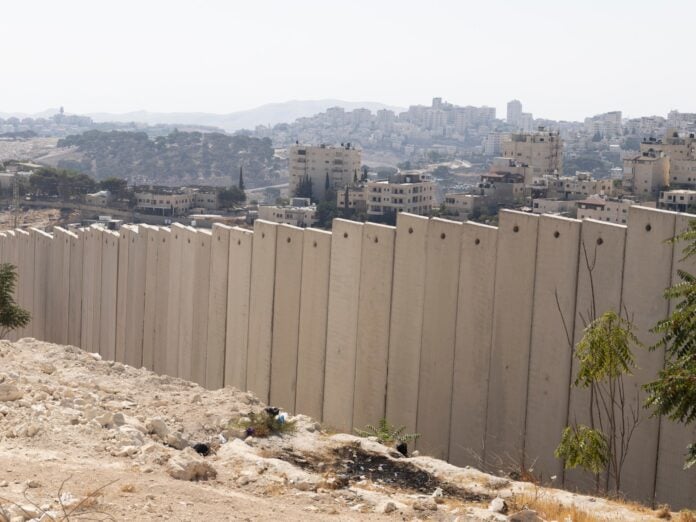
Meanwhile, the broader military situation remains volatile. The phrase Israel attacks Iran has become a defining headline of the conflict, reflecting the ongoing cycle of strikes and counterstrikes that continues to destabilize the region.
At the center of this escalation, the Strait of Hormuz has become the most critical flashpoint, with control over the waterway shaping both military strategy and diplomatic negotiations. Disruptions linked to the strait have already begun to ripple across global supply chains, as seen in disruptions linked to the Strait of Hormuz affecting energy flows to major economies.
Despite Trump’s claims that the war could end soon, Iran has maintained a consistent position: it denies seeking a ceasefire under current conditions and insists that any meaningful negotiations must begin with an end to military strikes. Iranian officials have also signaled readiness for a prolonged conflict, rejecting the idea that the country is under pressure to concede.
This divergence underscores the central tension of the current moment. On one hand, Washington is projecting an image of control, suggesting that the conflict is nearing its conclusion and that Iran is already seeking a way out. On the other, Tehran is rejecting these claims outright, framing them as misinformation and continuing to signal resistance.
The result is an information war layered on top of a military one.
And in that information war, perception may prove just as important as reality.
Markets may rally on the expectation of peace. Political leaders may speak of imminent victory. But as long as airstrikes continue and fundamental disagreements remain unresolved, the reality on the ground tells a different story.
For now, the contradiction remains unresolved. The bombs have not stopped. The negotiations remain opaque. And the gap between what is being said and what is happening continues to widen.
As the world watches, one question looms larger than all others: is this truly the beginning of the end, or simply another attempt to declare victory before the war is over?