

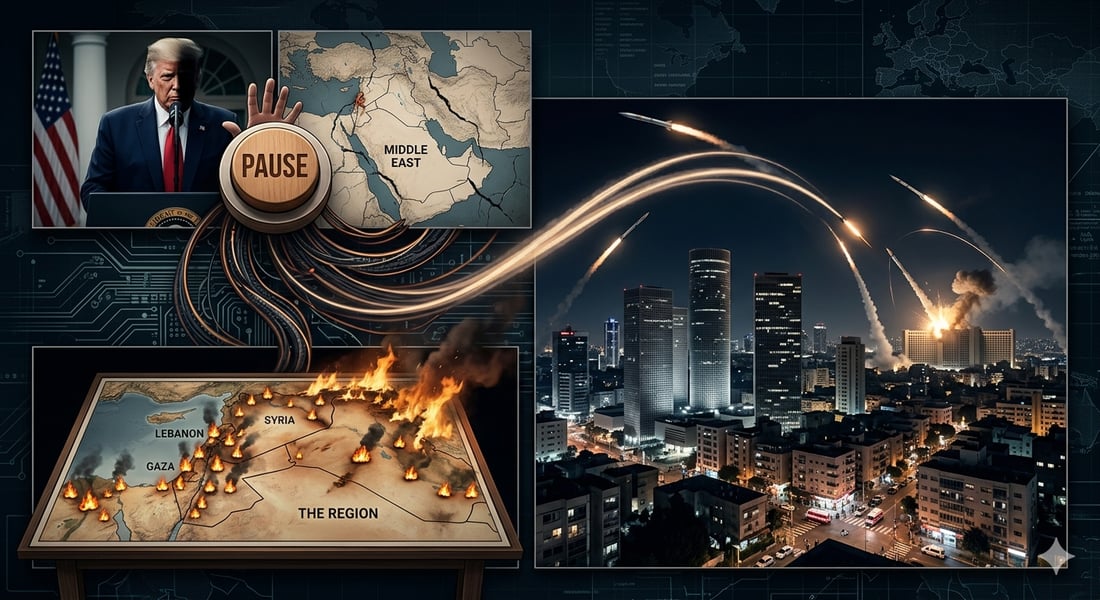

The war triggered by Israel’s sweeping assault on Iran has entered a volatile new phase, where claims of diplomacy collide with an expanding battlefield stretching from Tel Aviv to Tehran, Beirut, and the Persian Gulf.
Even as US President Donald Trump declared a limited “pause” in certain military operations, the reality on the ground tells a sharply different story: missiles continue to rain down, cities burn, and the prospect of de-escalation appears increasingly distant.
The latest Israel attacks Iran crisis underscores a rapidly expanding regional war with severe geopolitical and economic consequences.
A War Expanding Beyond Control
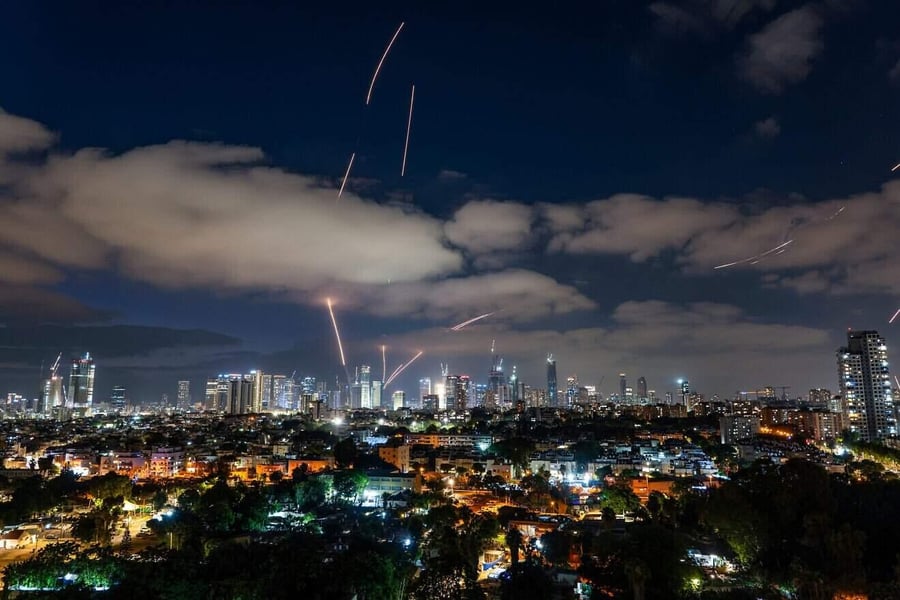
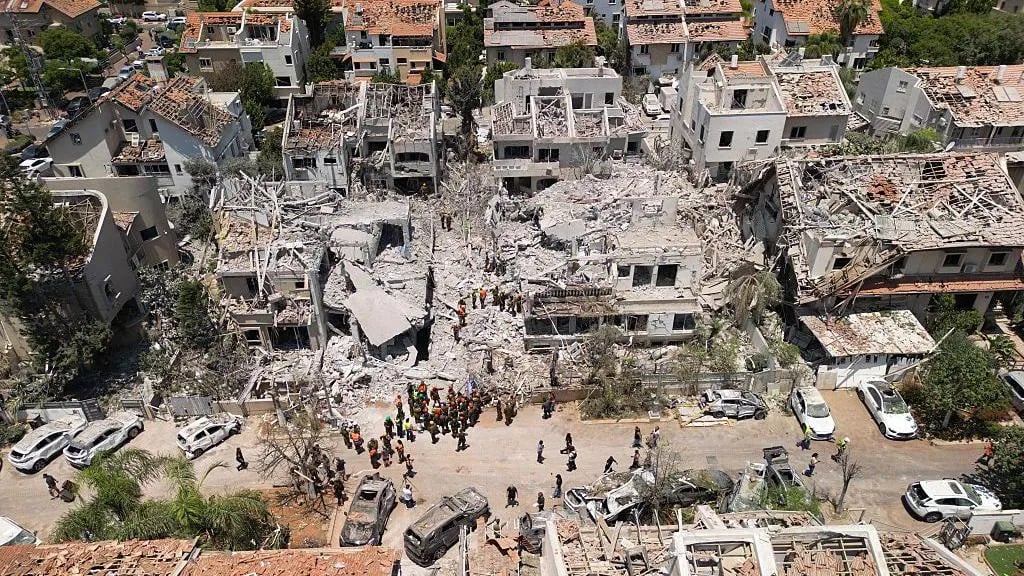
On March 24, Iranian missiles and drones struck multiple targets across Israel, including Tel Aviv, where explosions damaged buildings and injured civilians.
At the same time, Israel conducted extensive airstrikes on Iranian territory, targeting infrastructure and military-linked facilities deep inside the country.
The scale of the bombardment reflects a widening war in the Middle East, with multiple fronts now active and new actors entering the conflict.
Reports also describe airstrikes battering Iran in sustained waves, signaling a shift toward prolonged and systematic targeting.
What began as a calculated confrontation has now evolved into a multi-front war involving state and non-state actors across the region.
Trump’s “Pause” and the Illusion of Diplomacy
Amid the escalation, Trump announced a temporary pause in US strikes on Iranian energy infrastructure, framing it as a move toward diplomacy.
But Tehran swiftly rejected those claims, with officials emphasizing that Iran denied any talks were taking place.
Meanwhile, US military deployments continue to expand, reinforcing concerns that the pause is tactical rather than strategic.
This contradiction reflects a broader pattern: public diplomacy paired with continued military escalation.
Tel Aviv Under Fire
The psychological and strategic impact of Iranian strikes on Tel Aviv has been profound.
Residential areas have been hit, civilians injured, and daily life disrupted as air raid sirens become a constant presence.
Lebanon: The War’s Expanding Front
Beyond Israel and Iran, Lebanon has emerged as one of the war’s most devastating theaters, with Israeli strikes targeting Hezbollah positions and raising fears of a broader ground conflict.
The destruction has displaced large populations and intensified humanitarian concerns across the country.
The situation underscores how the war expands across the Middle East, drawing in multiple fronts simultaneously.
Energy Shock and Global Fallout
The conflict’s economic consequences are already unfolding. Analysts warn that the environmental and economic fallout from the war could reshape global markets.
In particular, oil prices have surged amid fears of supply disruptions and instability in key transit routes.
The war’s impact on airstrikes, assassinations, and oil war escalation is further amplifying uncertainty in global energy markets.
Any disruption of the Strait of Hormuz would have catastrophic implications for global supply chains.
A War Built on Escalation
From the outset, the conflict has followed a clear pattern of escalation.
Israeli operations targeting key Iranian institutions have triggered increasingly direct responses from Tehran.
This cycle has intensified the risk of a prolonged and uncontrollable war.
The broader implications for global energy markets and geopolitical stability are profound.
Civilian Toll and Humanitarian Crisis
Civilians across the region continue to bear the brunt of the conflict.
In Israel, missile strikes have damaged homes and injured residents. In Iran, airstrikes have impacted infrastructure and urban areas.
Strategic Targets and Covert Operations
Reports indicate that the war has increasingly focused on targeting Iran’s leadership, reflecting a shift toward high-value strategic objectives.
At the same time, fears are growing over the disruption of the Strait of Hormuz, a critical chokepoint for global energy supplies.
Israeli strikes targeting key Iranian institutions further underscore the scale and intensity of the campaign.
A Region on the Brink
As the war continues, the gap between political narratives and battlefield realities is becoming increasingly evident.
Claims of diplomacy contrast sharply with the ongoing escalation, raising questions about the prospects for de-escalation.
The region now stands on the brink of a broader conflict, with global consequences that extend far beyond the Middle East.
This is no longer a limited war. It is a rapidly expanding regional crisis with no clear end in sight.














