WASHINGTON — The sharp rise in US gas prices, now climbing past $4 a gallon in many regions, is no longer just a story of market volatility. It is the direct economic consequence of a geopolitical crisis that critics say was both predictable and avoidable: the escalating confrontation between the United States and Iran under President Donald Trump.
What began as a military escalation has now evolved into one of the most severe disruptions to global energy shock in decades. At the center of the crisis lies the Strait of Hormuz, a narrow maritime corridor through which roughly 20% of the world’s oil supply passes. Today, that chokepoint has become a battlefield of economic pressure, strategic retaliation, and policy miscalculation.
The Trump administration’s decision to pursue military escalation triggered a chain reaction that energy markets responded to immediately. Iran, in retaliation, moved to restrict transit through the strait, sending shockwaves through global energy markets. Tanker traffic fell sharply, and shipping firms began avoiding the route, amplifying fears of a prolonged supply crisis.
Oil prices surged past $100 per barrel, marking one of the fastest increases in recent history, while fuel costs rose across the board. In the United States, gas prices surged rapidly, crossing the $4 threshold and placing new pressure on consumers.
The result has been a cascading global markets reaction. Inflationary pressures are building, supply chains are tightening, and economists are warning of renewed global recession fears. Markets have already experienced episodes of global market panic as investors attempt to price in an increasingly volatile geopolitical environment.
Yet beyond the economic shock lies a deeper question: how much of this crisis is the result of deliberate policy choices?
Critics argue that the Trump administration entered the conflict without a coherent long-term strategy. While the initial strikes may have achieved tactical objectives, they failed to account for the leverage Iran holds over global oil transit routes. By targeting Iran directly, Washington effectively invited retaliation at the very chokepoint that powers the global economy.
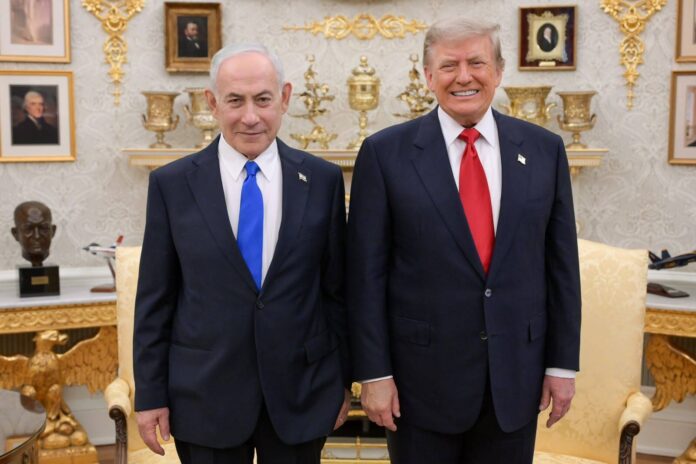
That criticism has intensified following a series of controversial statements from the president. In one instance, Trump suggested that countries should “just take” oil from the region, a remark that underscored what analysts describe as a lack of coordinated diplomatic planning.
The administration has continued to emphasize US energy dominance as a buffer against global shocks. But energy experts say that argument ignores a fundamental reality: oil is priced globally, and disruptions anywhere reverberate everywhere. Even record domestic production has done little to shield US consumers from rising costs.
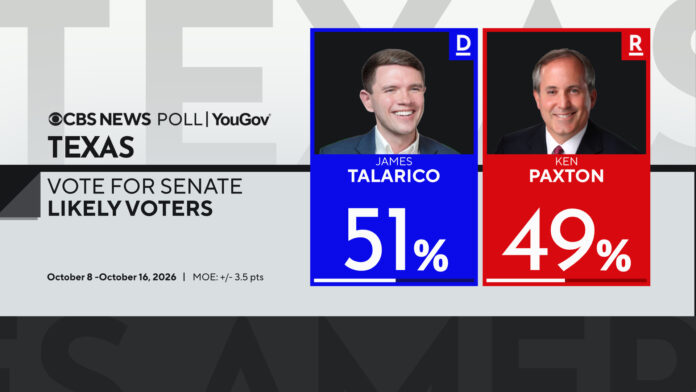
Inside the United States, the political implications are equally significant. Political implications are equally significant as voters face rising fuel and food costs, raising questions about the administration’s handling of the crisis.
Globally, the economic fallout is expanding. Analysts warn that the disruption could deepen into a prolonged crisis, with long-term elevated oil prices becoming the new normal if tensions persist. Some projections suggest oil could spike dramatically if the situation worsens, further intensifying inflationary pressure across economies.
The crisis has also exposed fractures among Western allies. Several countries have resisted deeper involvement, preferring diplomatic solutions over military escalation. The absence of a unified response has weakened efforts to stabilize the situation and restore confidence in global supply chains.
Meanwhile, developments on the ground continue to escalate the crisis. From expanding war dynamics to disruptions in critical infrastructure, the situation remains fluid and unpredictable.
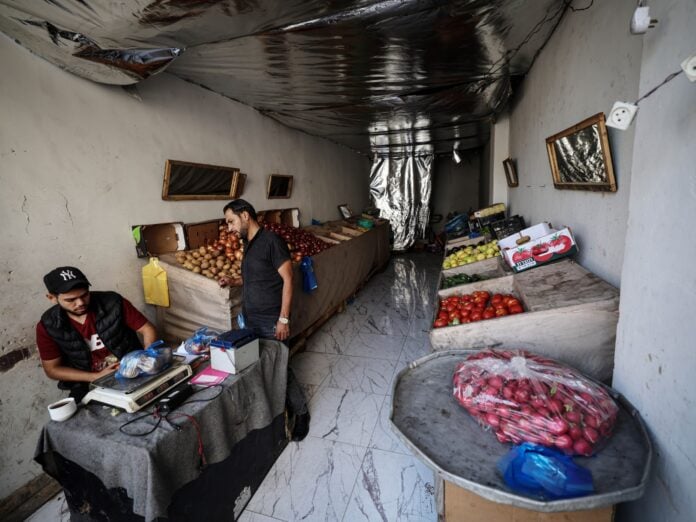
For ordinary consumers, however, the impact is already clear. Rising fuel costs are feeding into higher prices for goods and services, reinforcing a cycle of inflation that could prove difficult to reverse.
Ultimately, the surge in gas prices reflects more than just market dynamics. It is the direct outcome of geopolitical decisions that underestimated the interconnected nature of global energy systems. As the crisis continues to unfold, the costs are being felt not only in the Middle East, but at gas stations and households across the world.
Whether Washington can recalibrate its approach remains uncertain. What is clear is that the current trajectory, defined by escalation, uncertainty, and fragmented alliances, has already reshaped global energy markets and exposed the limits of unilateral policy in an interconnected world.