
The global energy system is once again on edge. A volatile mix of war, rhetoric, and economic uncertainty has converged at one of the world’s most critical chokepoints: the Strait of Hormuz. What began as a military escalation involving the United States and Israel against Iran has rapidly spiraled into a full-scale geopolitical and economic crisis, with oil markets reacting in real time to every statement coming out of Washington.
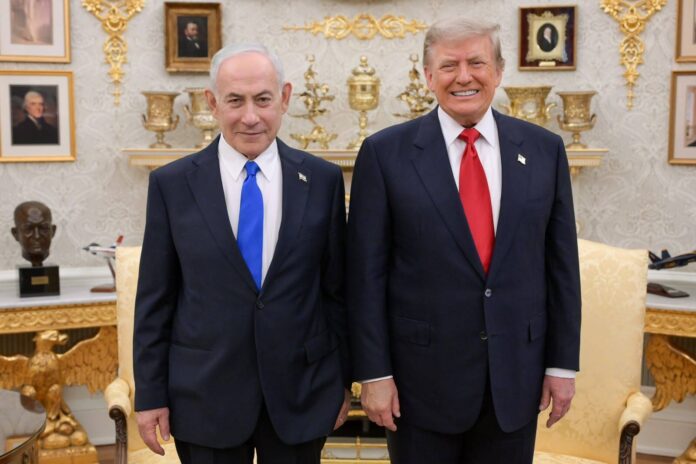
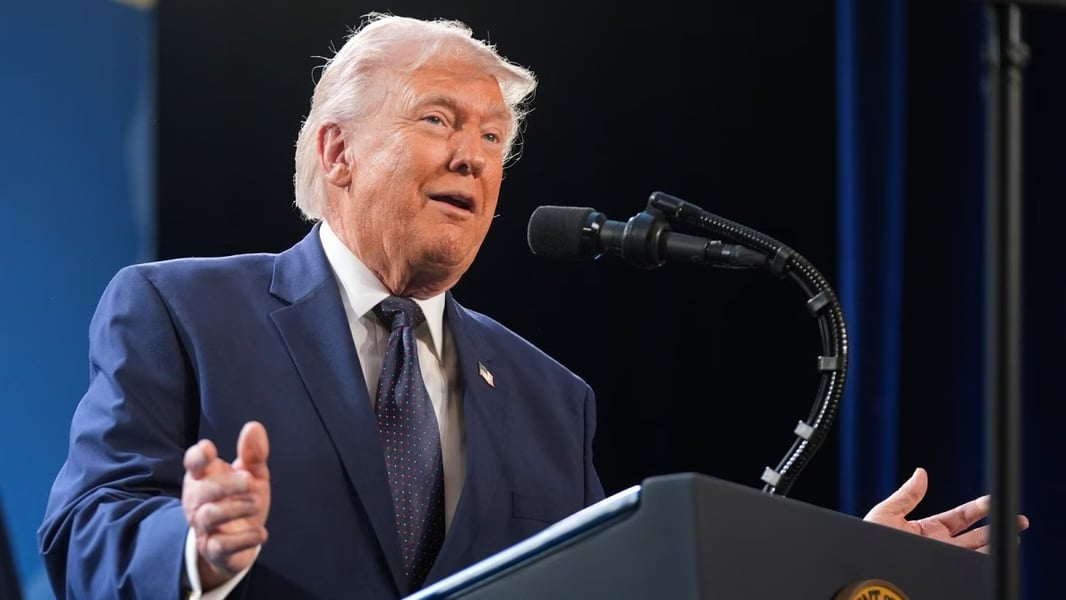
At the center of the storm is President Donald Trump, whose latest remarks, urging countries to “just take” oil from the region if they want it, have sent shockwaves through diplomatic circles and financial markets alike, as reported by Trump urges countries to “just take” oil from Strait of Hormuz. The comments underscore a dramatic shift in US foreign policy, one that appears increasingly transactional, unpredictable, and deeply entangled with global energy flows.
The Strait of Hormuz, a narrow maritime corridor between Iran and Oman, carries nearly 20 percent of the world’s oil supply, making it one of the most strategically vital waterways on Earth. Its disruption has triggered what analysts describe as one of the largest energy shocks in modern history, with tanker traffic collapsing and global supply chains under severe strain.
A War That Reshaped Energy Markets Overnight
The current crisis traces back to US and Israeli military strikes on Iran, which triggered a forceful response from Tehran. Iran’s strategic use of the Strait of Hormuz has effectively halted shipping, creating a chokehold on global oil flows and forcing insurers and shipping companies to withdraw from the area
The consequences were immediate. Oil prices surged past $100 per barrel, with markets reacting sharply to uncertainty surrounding supply disruptions, as highlighted in reports that oil prices surge past $100 per barrel. The spike marked one of the most severe energy shocks in decades, reviving fears of a prolonged global economic slowdown.
This surge has been driven not only by physical disruptions but also by the absence of a coherent geopolitical strategy. The phrase Iran war triggers oil shock has become emblematic of a broader economic unraveling, as governments and markets struggle to respond to rapidly evolving risks.
Trump’s Strategy: Pressure, Provocation, and Uncertainty
President Trump’s approach has been defined by a mix of aggressive rhetoric and strategic ambiguity. While threatening decisive military action, he has simultaneously floated the possibility of ending the war without reopening the strait, a move that has raised alarms among analysts and allies alike.
Reports describing an unclear plan to reopen the Strait of Hormuz highlight the lack of a concrete strategy. This ambiguity has amplified volatility in global markets, where investor sentiment now hinges as much on political signaling as on actual supply conditions.
The administration’s stance has also fueled what many describe as oil shock and Iran crisis trigger global market panic, reflecting a deepening disconnect between military objectives and economic consequences.
Allies Push Back as US Influence Fractures
The response from US allies has revealed growing fractures within traditional alliances. Several countries have resisted calls to participate in military operations, instead advocating for diplomatic solutions. This reluctance underscores a broader shift away from US-led security frameworks.
Trump’s criticism of allies has further strained relations, reinforcing the perception that Washington is retreating from its role as guarantor of global stability. The fallout has intensified concerns about a fragmented international order, where cooperation is increasingly replaced by unilateral action.
The humanitarian dimension of the conflict is also becoming harder to ignore. Reports such as Tehran devastated, civilian deaths mount highlight the human cost of a conflict that is often framed primarily in economic or strategic terms.
Markets in Turmoil, Economies Under Pressure
The economic impact of the crisis is cascading across global markets. The phrase global markets spiral as energy crisis deepens captures the scale of disruption, as rising energy costs feed into inflation and slow economic growth.
Financial markets have become increasingly sensitive to geopolitical developments, with sharp swings in response to policy announcements and military actions. The instability has raised fears of a broader downturn, particularly in economies heavily dependent on imported energy.
Even within financial centers, volatility remains elevated. The narrative that Dow holds gains while Nasdaq slips as Iran war and oil shock rattle global markets reflects the uneven and fragile nature of current market conditions.
The Strategic Importance of the Strait of Hormuz
The Strait of Hormuz is not merely a geographic feature; it is the linchpin of the global energy system. Its disruption has immediate and far-reaching consequences, affecting everything from fuel prices to food supply chains.
The ongoing Strait of Hormuz crisis underscores the vulnerability of a global economy that remains heavily dependent on a single chokepoint. With tanker traffic reduced to near zero at times, the scale of disruption has drawn comparisons to the most severe energy crises of the past century.
A Crisis Without a Clear Endgame
Perhaps the most troubling aspect of the current situation is the absence of a clear resolution. Diplomatic efforts continue, but progress remains uncertain. Analysts warn that without a coordinated strategy, the crisis could persist, prolonging economic instability and geopolitical tension.
The broader implications are profound. The idea that global recession fears surge as Iran crisis could push oil higher reflects growing concern that the energy shock could trigger a wider economic downturn.
A Turning Point in Global Energy Politics
The Strait of Hormuz crisis represents more than a temporary disruption. It marks a turning point in the intersection of energy, geopolitics, and global markets. The events unfolding today are reshaping alliances, redefining strategies, and exposing the fragility of a system built on interconnected dependencies.
At its core, the crisis reveals a fundamental truth: control over critical resources remains one of the most powerful tools in international politics. As long as uncertainty persists, markets will remain volatile, and the global order will continue to evolve under pressure.