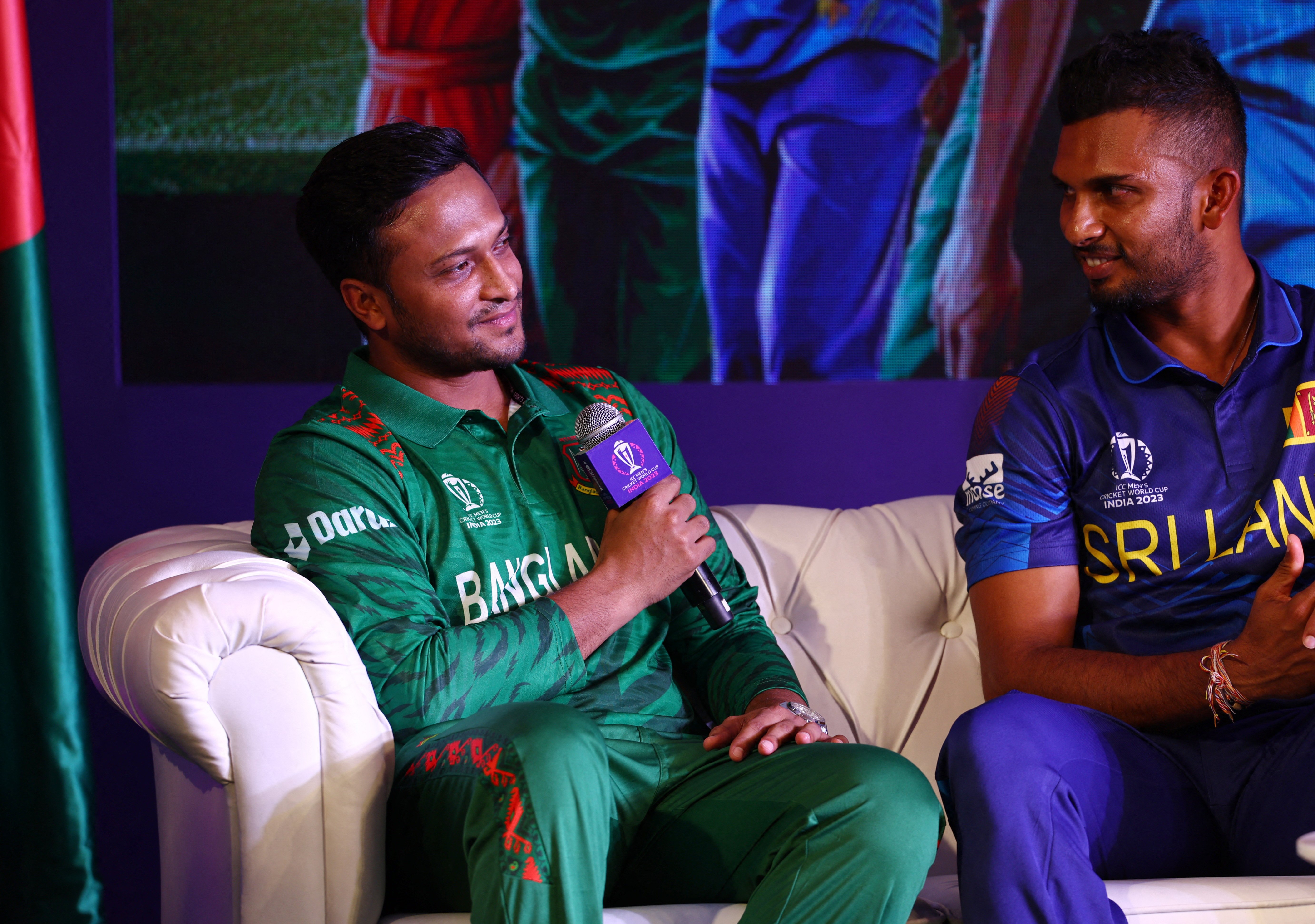

DHAKA — On the morning after Shakib Al Hasan’s home in Dhaka was petrol-bombed, Bangladesh’s Sports Minister delivered the political verdict: the country’s most celebrated cricketer would never play for Bangladesh again. His offense was attending a press conference.
Shakib, 39, joined Sheikh Hasina’s media event in New Delhi remotely on August 6 — the first public address the exiled former prime minister had given since her departure from Bangladesh two years ago. The appearance lasted minutes. The consequences, Sports Minister Aminul Haque declared, would be permanent. “Someone who has taken the stage with the autocrat no longer has any opportunity to return,” he told reporters, as Al Jazeera reported. The government would no longer extend “flexibility and tolerance” toward Shakib.
The word “autocrat” is the term Bangladesh’s interim administration routinely applies to the woman who governed the country for fifteen consecutive years, won four general elections, and led the Awami League to successive mandates before her forced departure in August 2024. Whether the elections that produced those mandates were fully free is a matter of genuine dispute. What is not in dispute is that Sheikh Hasina has not been charged with electoral fraud. She has been sentenced to death — by a tribunal whose procedural independence independent legal observers have questioned since its founding.
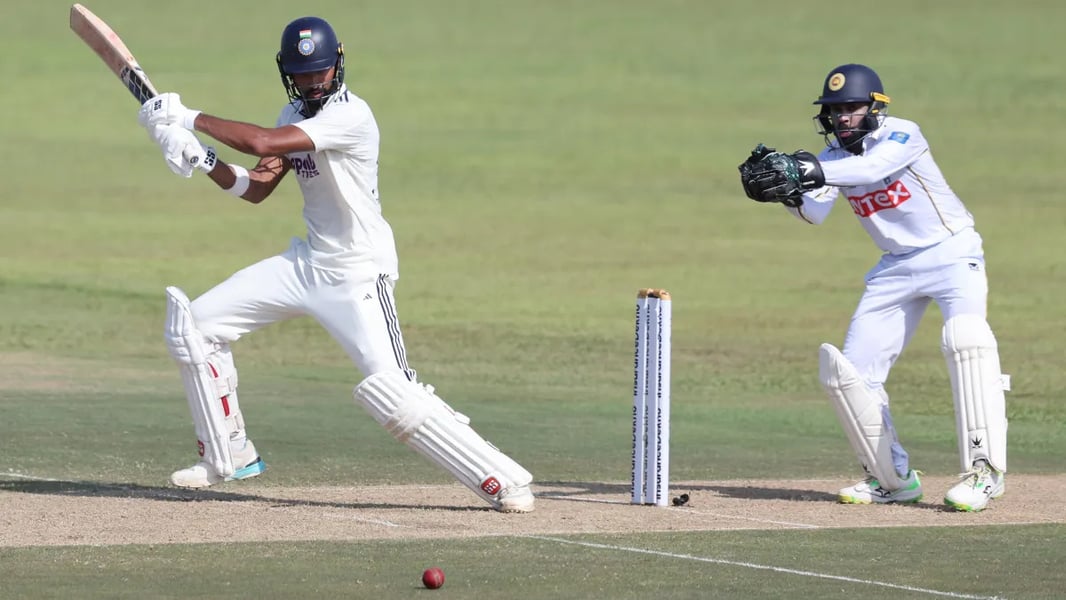
Shakib Al Hasan’s record in cricket is not easily set aside. More than 400 international appearances across five World Cups, the captaincy of the Bangladesh team at the 2024 tournament, and a widely held reputation as one of the two or three finest all-rounders in the history of the game. He faced murder investigations after Hasina’s ouster — linked to deaths during the police crackdown in the 2024 unrest — left Bangladesh for India, and received Bangladesh Cricket Board clearance in January 2026 to resume his career. The government revoked that clearance this week. It did not go to court. It issued a statement.
The petrol-bombing of Shakib’s Dhaka home occurred within hours of his appearance at Hasina’s press event on the night of August 7. Eyewitnesses described it as a deliberate attack. As of this writing, no arrests have been made and no government investigation has been announced — a silence that stands in sharp contrast to the speed with which the Sports Ministry stripped Shakib of his professional future.
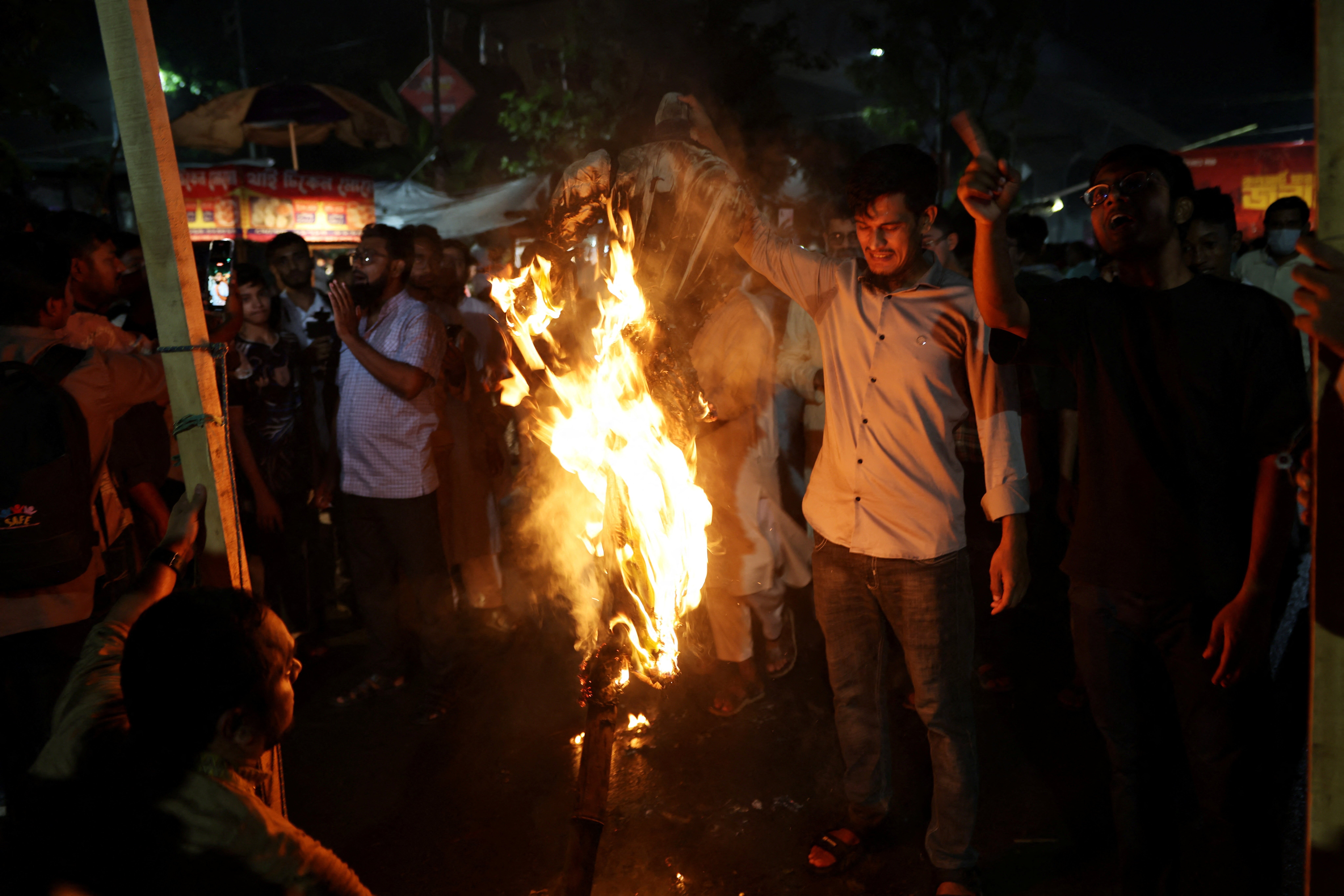
The pattern here is not subtle. A government that bans citizens from their professions for political association while declining to investigate attacks on their property has chosen which side of the ledger it keeps its outrage. That choice tells a great deal about what kind of democracy Bangladesh’s interim administration is building toward.
Sheikh Hasina’s Delhi press conference on August 6 was the first time she had spoken publicly since August 2024. She rejected every charge against her as fabricated, described the 2024 uprising as a coordinated conspiracy financed from outside the country, and announced she intends to return to Bangladesh in December despite the death sentence against her name. “I am not afraid of jail or death,” she said. The speech drew immediate diplomatic fallout: Bangladesh’s foreign ministry summoned India’s high commissioner in protest, and the home minister issued a public warning that New Delhi should not use Hasina as a geopolitical lever against Dhaka. India’s Ministry of External Affairs distanced itself within hours, calling the event private and stating it did not endorse her remarks.
India’s position has grown harder to hold. It sheltered Hasina on humanitarian grounds after her August 2024 departure and has maintained that position against Bangladesh’s extradition requests — citing a 2013 treaty provision that gives Delhi legal grounds to decline. Allowing her to hold a media conference on Indian soil while technically disclaiming endorsement is a difficult posture to sustain. But the alternative — handing a two-time prime minister to a government that has sentenced her to death and shows no sign of ensuring a fair trial — is one that India’s strategic calculus has consistently rejected.
The interim government led by Nobel laureate Muhammad Yunus came to power with a stated mandate of democratic restoration. That mandate has been tested by its own record: the tribunal that convicted Hasina was inherited from a framework criticized for procedural shortcomings; the political landscape is now shaped partly by parties — including BNP and Jamaat — whose own histories carry questions about democratic commitment; and the administration’s response to figures associated with the Awami League has moved from prosecution to professional destruction without apparent need for judicial authority.
Shakib Al Hasan said from India that he was prepared to return and face any legal process awaiting him. That willingness should be noted: he is not fleeing accountability, he is accepting it. What he is being denied is not a legal process but a livelihood — not by a court’s verdict but by a minister’s declaration that appearing alongside the wrong person ends a career. Bangladesh goes to a presidential election on August 20. Sheikh Hasina says she is coming home in December. The country she is returning to is one where its greatest cricketer cannot work, and where his home can be firebombed without consequence.
Related Posts