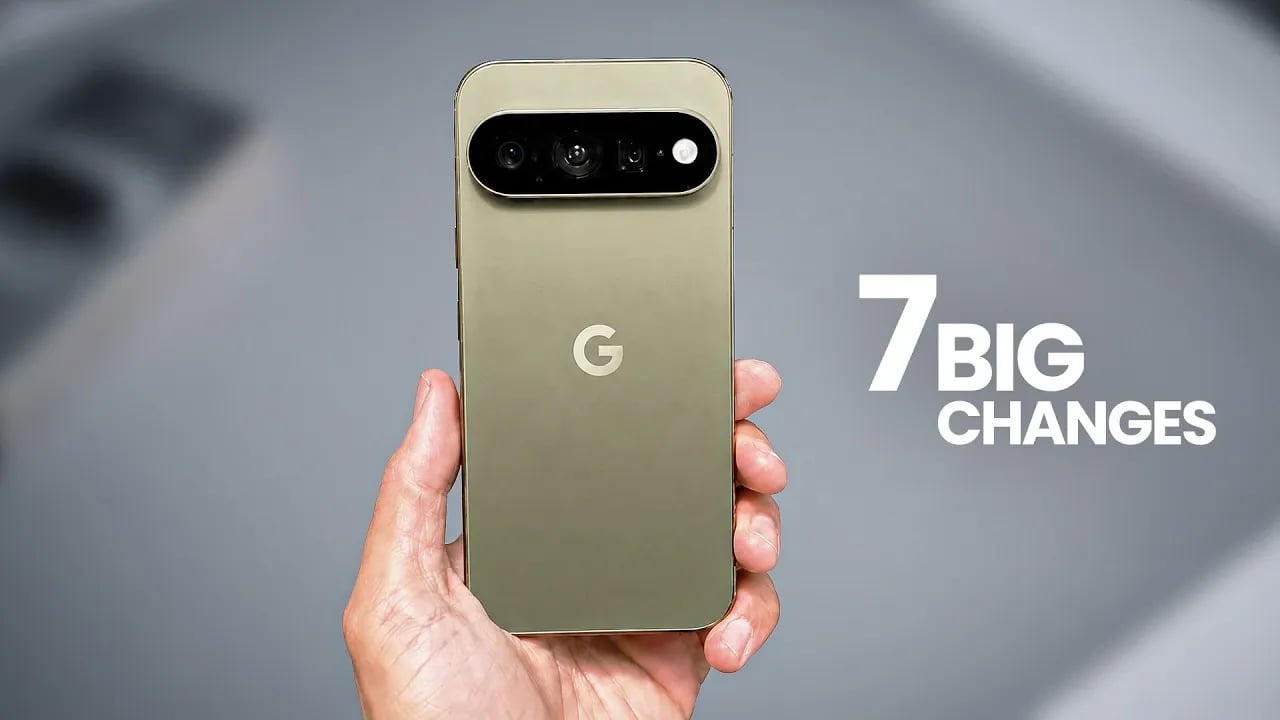

NEW YORK — Three days before Google is expected to take the stage at its Made by Google 2026 event, a comprehensive leak published Sunday by Evan Blass has left almost nothing for the company to announce on August 12. The specification sheet, which Blass distributed through his LeakMail newsletter, covers the full Pixel 11 lineup with component-level detail and US pricing. The picture it draws is of a phone that upgrades where most buyers will notice and cuts in places that will require more explanation.
The central upgrade is the Tensor G6 chip, built on TSMC’s 2-nanometer fabrication process. The shift away from Samsung’s manufacturing moves the Pixel line past the 3nm node used in the Tensor G5, with implications for heat management, power efficiency, and the on-device processing headroom that Google needs to advance its Gemini AI features. The G6 also pairs with a MediaTek M90 modem, the same connectivity shift that Pixel users who criticized the series for radio performance under Samsung’s Exynos modem have long wanted to see. A Titan M3 security co-processor replaces the M2. The combination of TSMC fabrication and MediaTek connectivity represents two longstanding hardware criticisms addressed in a single generation.
The display carries one narrow but meaningful improvement. The Pixel 11 Pro’s 6.3-inch screen uses Samsung’s M16 OLED panel, rated at 3,600 nits of peak brightness against the Pixel 10 Pro’s 3,300 nits. Resolution and adaptive refresh rate are unchanged, at 2,856 by 1,280 pixels on a 1-to-120Hz LTPO panel. The increase matters in direct sunlight; in standard indoor use, owners of the current Pro will find the screens visually identical.
The rear camera is the strongest part of the upgrade. A triple-camera setup pairs a 50-megapixel primary sensor with a 48-megapixel ultrawide and a 48-megapixel periscope telephoto at 5x optical zoom. Google’s Pro Zoom extends to 120x, with claimed optical-quality rendering at 0.5x, 1x, 2x, 5x, and 10x focal lengths. The camera bar has been redesigned into a single continuous glass surface and now houses the Pixel Glow light, a circular LED notification ring that Google previewed in late July. The redesign also shaves 0.2 millimeters from the device’s thickness.
The front camera is harder to explain. The Pixel 10 Pro shipped with a 42-megapixel selfie sensor, among the highest-resolution front cameras on any Android flagship at launch. The Pixel 11 Pro replaces it with a 13-megapixel unit, according to Android Authority’s reporting on the Blass specifications. An accidental Amazon product listing, which appeared briefly before being pulled, also listed 13 megapixels for the front camera, adding a second independent data point to what is otherwise one of the more jarring regressions in the spec sheet. Google has not offered a public explanation ahead of the launch event. Whether the Tensor G6’s computational photography capabilities can compensate for a front sensor at one-third the resolution of its predecessor is a question the August 12 keynote will need to address.
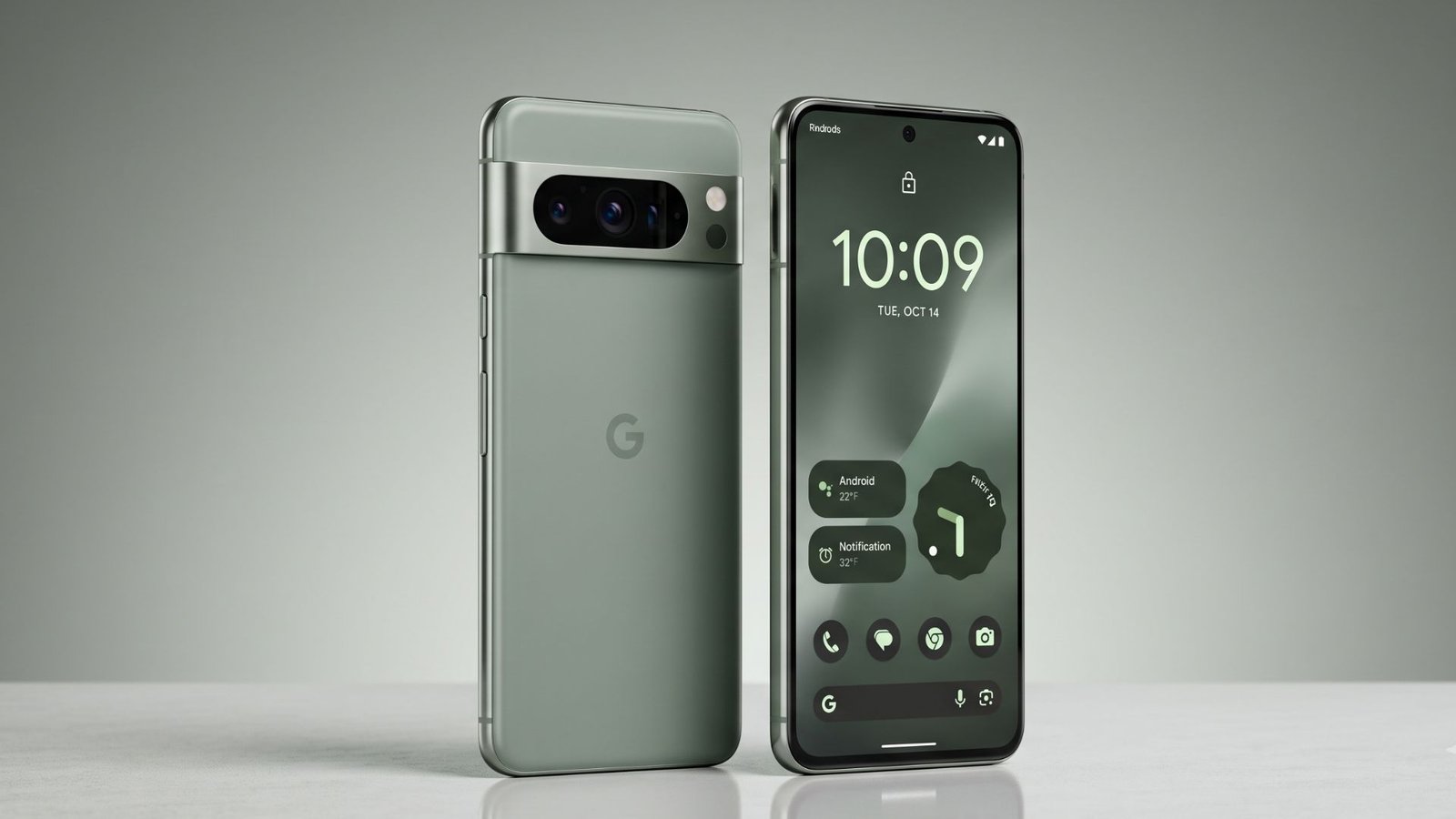
RAM allocation changes in ways that divide the lineup. The Pixel 10 Pro shipped uniformly with 16GB across all storage configurations. The Pixel 11 Pro starts at 12GB on the base 256GB model, stepping to 16GB only on the 512GB version. Tom’s Guide’s pre-launch analysis of the five biggest differences between the two Pro models flagged this split as a meaningful trade-off for buyers who want flagship performance at the entry Pro price. The starting price has risen to $1,099, up $100 from the Pixel 10 Pro’s $999 launch price, reflecting the elimination of the 128GB base tier. Buyers gain base storage (256GB is now the floor) but lose the lower entry point.
Battery capacity is 4,850mAh, nearly identical to the current generation, and wired charging stays at 30W with Qi2 wireless. The Pixel 11 Pro XL, which Blass also detailed in the same document, steps up to a 6.8-inch display, 5,115mAh battery, 45W charging, and storage up to 1TB, starting at $1,299. The Pixel 11 Pro Fold arrives at $1,899 with an 8-inch interior panel and 6.4-inch cover display.
For buyers on the standard Pixel 11 rather than the Pro line, the trade-off picture is sharper. The Pixel 11 drops the telephoto camera entirely, leaving a dual-camera setup with a 48-megapixel primary and 13-megapixel ultrawide. The Pixel 10 included a 10.8-megapixel telephoto at 5x optical zoom. Removing that lens from the non-Pro tier while keeping 5x optical capability Pro-exclusive is a deliberate segmentation decision. The standard Pixel 11 starts at $899.
What August 12 in New York will need to establish is whether software and AI close the gap on the hardware concessions. Android 17, which Google released in June, already extended on-device Gemini processing to tasks that earlier Pixel generations sent to the cloud. The Tensor G6’s 2nm architecture is intended to expand that further. Whether it expands far enough to make a 13-megapixel selfie camera acceptable to buyers who had 42 megapixels is a gap no specification document can close before Tuesday.
The Pixel 10a earlier this year exposed the difficulty of Google’s mid-range positioning when flagship prices fall. The Pixel 11 Pro, at $1,099 with a downgraded selfie and a split on RAM, exposes a different pressure: what justifies the premium tier when the most visible camera is weaker than before? The chip is better. The rear cameras are improved. The display is brighter. But the document Evan Blass published Sunday, not the keynote Google prepared for Tuesday, will be the text buyers carry into that announcement, looking for an answer the leaked specification sheet does not provide.