
SAN FRANCISCO – For months, the Pixel 10a’s pitch has been simple enough to scrawl on a receipt: spend $500, get 85 percent of a flagship phone. But that math stopped working sometime this week, when Best Buy started selling an “excellent” condition Pixel 10 Pro – Google’s full-fat flagship with a Tensor G5 chip, triple cameras, and Gorilla Glass Victus 2 – for $678.99 shipped. The Pixel 10a costs $500. The upgrade to the better phone now costs $179.
That is not a number Google’s marketing team planned for. The Pixel 10a was built around a specific assumption: that most buyers would never encounter a moment where the gap between “flagship” and “budget” shrank to a figure smaller than a monthly car payment. Father’s Day deal season, accelerating Prime Day previews, and a broader softening of premium Android prices have conspired to make that assumption look precarious.
The tension runs deeper than one open-box listing. According to 9to5Toys, brand-new Pixel 10 Pro units are currently available at $250 off on Amazon, bringing the price to $849. That is still $349 above the Pixel 10a’s retail price – a gap that looks comfortable on paper. What it masks is the trade-off the extra money actually buys: a generation-newer processor, a telephoto camera the 10a simply does not have, and significantly better glass protection. The question is not whether the Pixel 10 Pro is the better phone. It obviously is. The question is whether $349 – or, in the open-box case, $179 – is the right price for that difference.
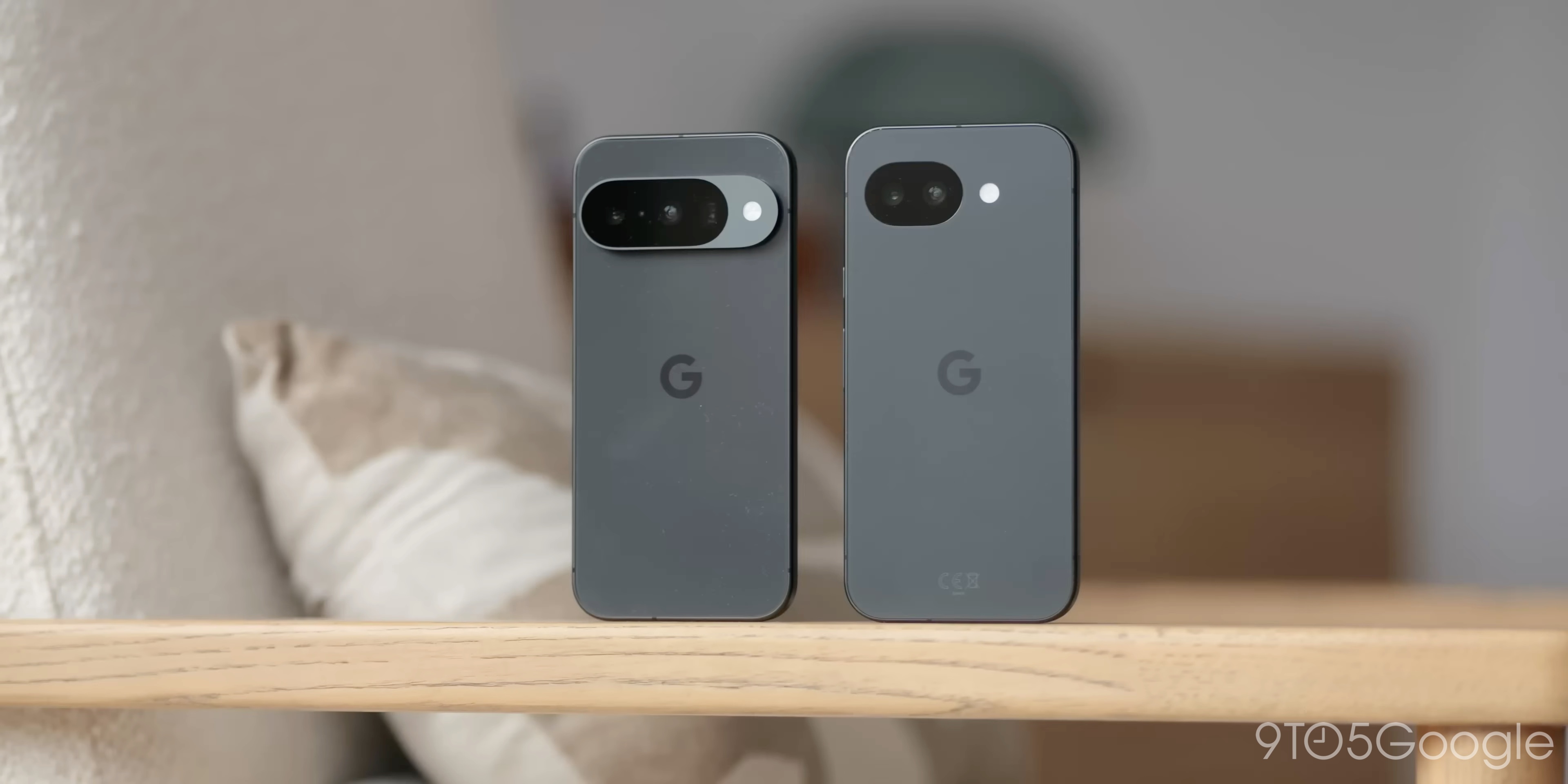
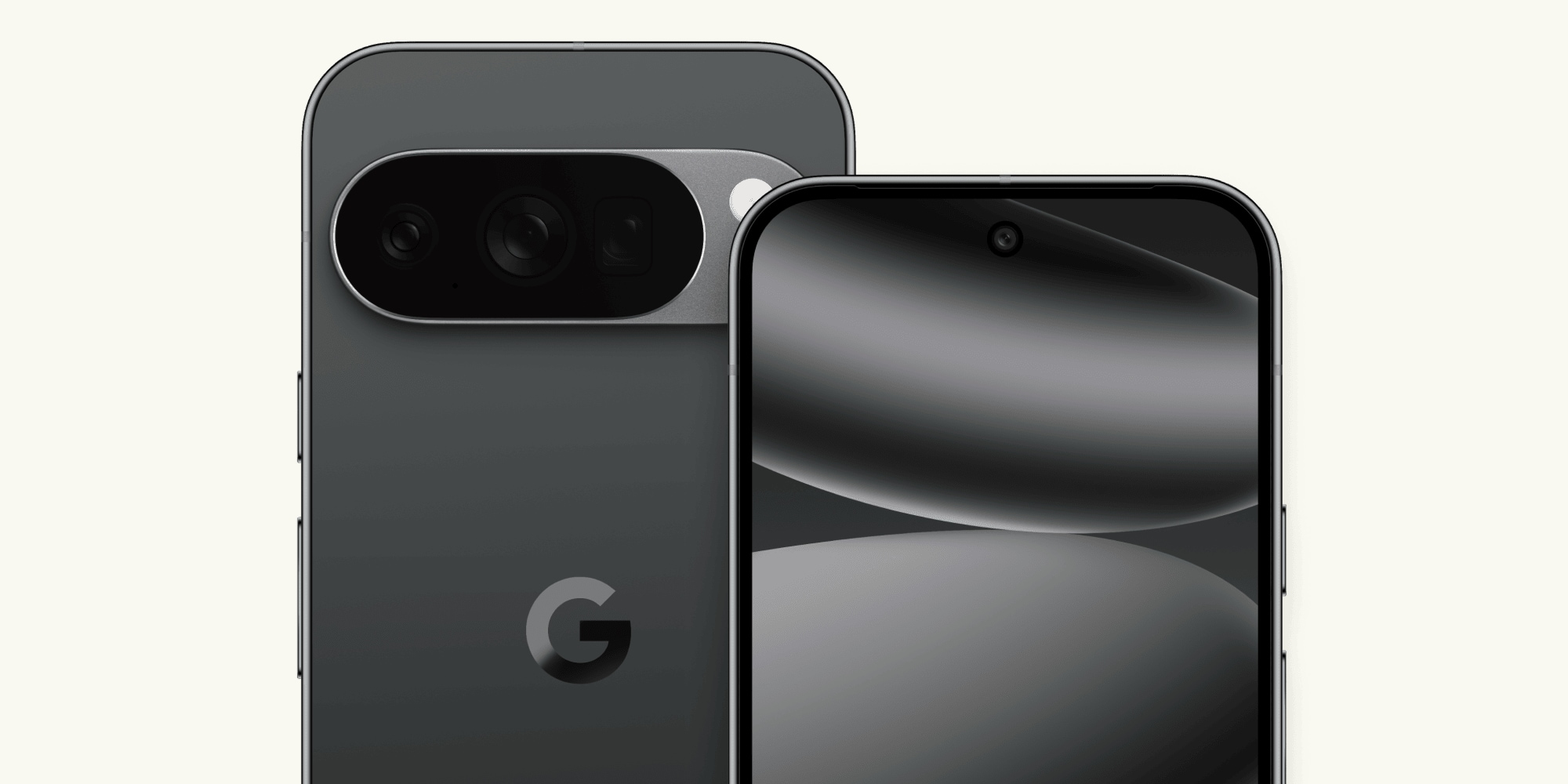
The Pixel 10a’s specifications make the dilemma visible. As BGR detailed, the 10a runs Google’s Tensor G4 – the same chip powering the Pixel 9a – while the Pixel 10 ships with the newer Tensor G5. The 10a’s 8GB of RAM trails the flagship’s 12GB. Its dual rear camera system captures images at 48MP and 13MP with no telephoto option; the Pixel 10 adds a 10.8MP periscope lens with 5x optical zoom. The 10a’s Gorilla Glass 7i protection is meaningfully weaker than the Victus 2 on the Pixel 10. In isolation, these compromises define a sensible budget device. Against a flagship at $679, they define an awkward mid-range phone priced at $500.
The competitive situation gets worse when Samsung enters the frame. Amazon has been running a $400-plus discount on the unlocked 512GB Galaxy S26+, bringing it to $897. The S26+ is a different tier of phone entirely – Qualcomm Snapdragon 8 Elite, a larger battery, and Samsung’s full camera suite – but its promotional price now sits close enough to the 10a’s territory that casual buyers browsing deal aggregators will notice the proximity. In Europe, the Pixel 10 Pro and Pixel 10 Pro XL are both €300 off, per GSMArena, with Google bundling a free Google TV Streamer and Pixelsnap Ring Stand on top. That makes the Pixel 10 Pro’s effective value even harder to ignore.
None of this means the Pixel 10a is a bad phone. In a vacuum, a $500 handset with a 5,100mAh battery, a 120Hz Actua pOLED display, seven years of guaranteed updates, and Gemini on-device AI is genuinely competitive. The 10a’s battery actually exceeds the Pixel 10’s 4,970mAh cell in capacity. Its display is equally bright at 3,000 nits peak. For a buyer who does not care about optical zoom and does not plan to drop their phone, the 10a remains a defensible choice.
The problem is that value is not absolute. It is relative to what else is available at the moment someone opens a browser and starts comparing prices. And what is available right now, in mid-June 2026, is a set of deals that shrink the distance between the Pixel 10a and the phones above it to an unusually small number.
Google’s A-series has historically survived this pressure because flagship discounts tended to be modest and short-lived. A $100 promotional markdown on a $999 phone still left a $400 gap to the budget model – wide enough that most buyers would shrug and take the cheaper option. What is different in June 2026 is the depth of the discounting. Open-box flagship deals at Best Buy are not fringe listings; they carry the retailer’s satisfaction guarantee and are widely indexed on deal-tracking platforms. The $679 Pixel 10 Pro will be in front of the same shopper who was deciding between a $500 Pixel 10a and nothing.
There is an irony embedded in this situation that Google likely did not intend. By releasing a Pixel 10a that is barely differentiated from last year’s Pixel 9a – same Tensor G4, same 48MP dual camera, same chassis dimensions – the company produced a phone whose best argument is its price. When that price advantage erodes, even temporarily, the 10a has limited ground left to stand on. The Pixel 11 series is expected within weeks. That arrival will create another round of markdowns across the Pixel 10 family, and the question of whether the 10a was ever priced correctly at $500 may sharpen considerably.
What this moment probably signals is not that the Pixel 10a is failing. It is that the smartphone mid-range is under structural pressure from both directions: budget phones have become capable enough to challenge it from below, and promotional cycles on flagships are now aggressive enough to challenge it from above. For Google, the harder question is what the A-series needs to offer in 2027 to survive that squeeze. Right now, the answer is not obvious. What is obvious is that $179 separating a good phone from a great one is not a gap that sells itself.