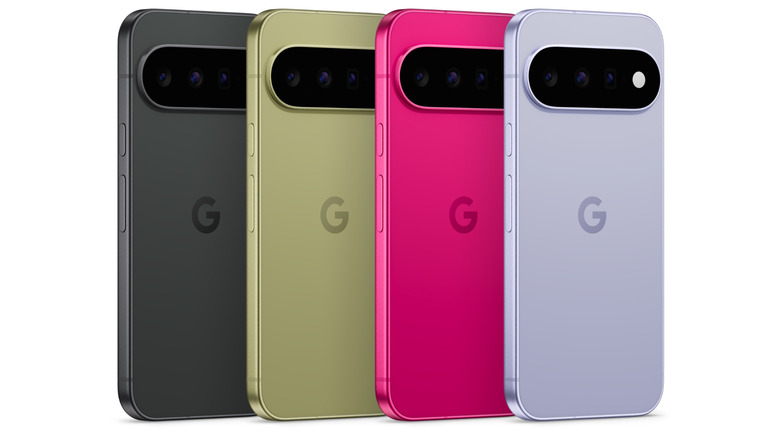

SAN FRANCISCO — Every year, Google’s Pixel phones promise something. This year, the promise costs more.
The Made by Google 2026 event introduced four new handsets: the Pixel 11, Pixel 11 Pro, Pixel 11 Pro XL, and Pixel 11 Pro Fold. Google’s own Tensor G6 chip powers the entire lineup, alongside the new Pixel Watch 5 and a Pixel Tag tracker. What made the unveiling immediately complicated is a price increase of roughly $100 over last year’s models, even as the Pro variants ship with less RAM than their predecessors.
That tension between paying more and getting less memory is the central question hanging over the Pixel 11 launch. Google’s answer is Gemini Intelligence, an upgraded and more proactive version of its AI assistant, which the company says makes raw RAM counts less relevant when the neural processing happens on-chip. Whether that holds up in actual use is something reviewers will spend the next several weeks determining.
The Pixel 11’s most visible hardware change is something a spec sheet won’t capture. The camera bar has been slimmed down while the sensors inside it have grown physically larger, a combination that typically produces better low-light captures. The standard Pixel 11 gains Instant Night Sight, which processes night photography fast enough that handheld long exposures no longer require the held-breath technique Pixel users have accepted as a trade-off. The Pro models add two entirely new camera sensors beyond what the standard model carries, widening the gap between mid-range and flagship more than it has been in recent years.
Battery life on the standard Pixel 11 reaches 30 hours under Google’s internal testing. Real-world performance across mixed usage will need independent benchmarking to confirm, but the number is competitive for the Android segment.
The Tensor G6 chip is what makes the AI ambitions possible. Pixel 11 Pro specs had been leaked ahead of the event, but the full scope of the chip’s role in Gemini’s proactive behavior is clearer now than it was in pre-launch reporting. Tensor G6’s on-device neural engine handles Gemini tasks locally, which is what enables the watch’s offline AI support and what Google says makes the lower RAM specification less of a liability than the numbers suggest.
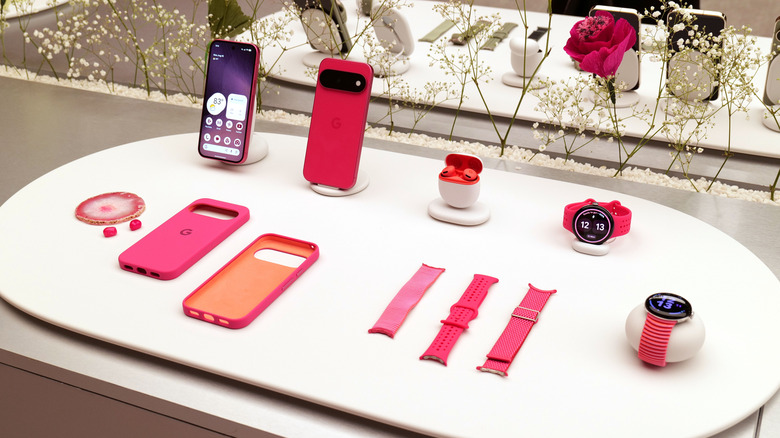
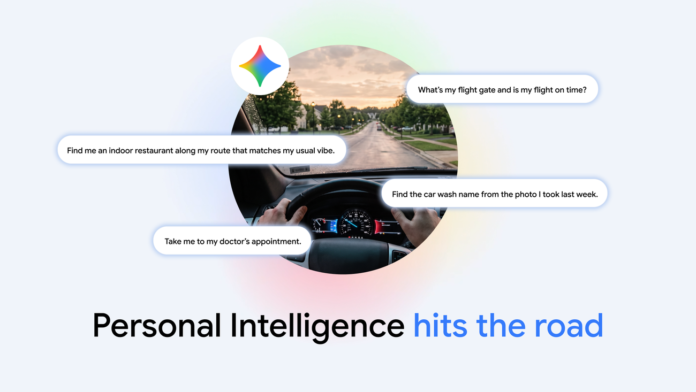
What Gemini Intelligence does in practice is where Google spent most of its presentation time. The system has been made proactive: rather than waiting to be invoked, it surfaces information based on context. The version showcased on stage is the frictionless one: a phone that knows your flight is delayed before you check, or pulls up the restaurant reservation when you approach the address. This is the ambient assistance Google has been building toward since Gemini replaced Google Assistant across Android. Whether the live product matches the demo-stage version is the question every independent reviewer will answer over the coming month.
The Pixel 11 Pro Fold is priced at $1,900. Foldables remain a segment where pricing functions as a filter. Buyers who choose a folding phone at that figure know what they are getting into. The Fold’s audience has always been early adopters who pay for form factor over value-per-dollar.
Quick Share, Google’s file-transfer feature and its answer to AirDrop, has received meaningful improvements. Transfers between Android devices are faster and more reliable, with particular work on cross-device compatibility outside the Pixel ecosystem. Engadget reported that the Quick Share changes represent one of the more practically useful daily upgrades in the lineup, especially for users regularly sharing files across multiple devices.
The Pixel Watch 5 brings offline Gemini support, meaning the AI assistant operates without a phone connection or Wi-Fi signal. For runners, cyclists, and anyone who commutes underground, this closes a gap that Wear OS has long left open. The watch remains integrated with the Android ecosystem, but within it, the Watch 5 pushes further than its predecessor.
The Pixel Tag enters the tracking category as Android’s answer to Apple’s AirTag. Precision locating via Ultra Wideband, integration with the Google Play Store and Find My Device network, and broad Android device coverage form the backbone of the tracker’s usefulness. The open question is whether Find My Device’s network has reached the density needed to match Apple’s billion-device tracking mesh in dense urban environments. That is not a question Google answered on stage.
Google sent discount codes to select existing Pixel customers ahead of the announcement. The gesture acknowledges what the price tags make obvious: a $100 increase on a lineup that also ships Pro models with less RAM is a difficult pitch to last year’s buyers. The company is working the retention angle early, which suggests it knows the value proposition needs some persuasion.
The Pixel 11 is available for pre-order now, with shipments beginning later this month. Whether Tensor G6 and Gemini Intelligence can justify what Google is charging is a question real-world use will eventually settle, not the event stage.