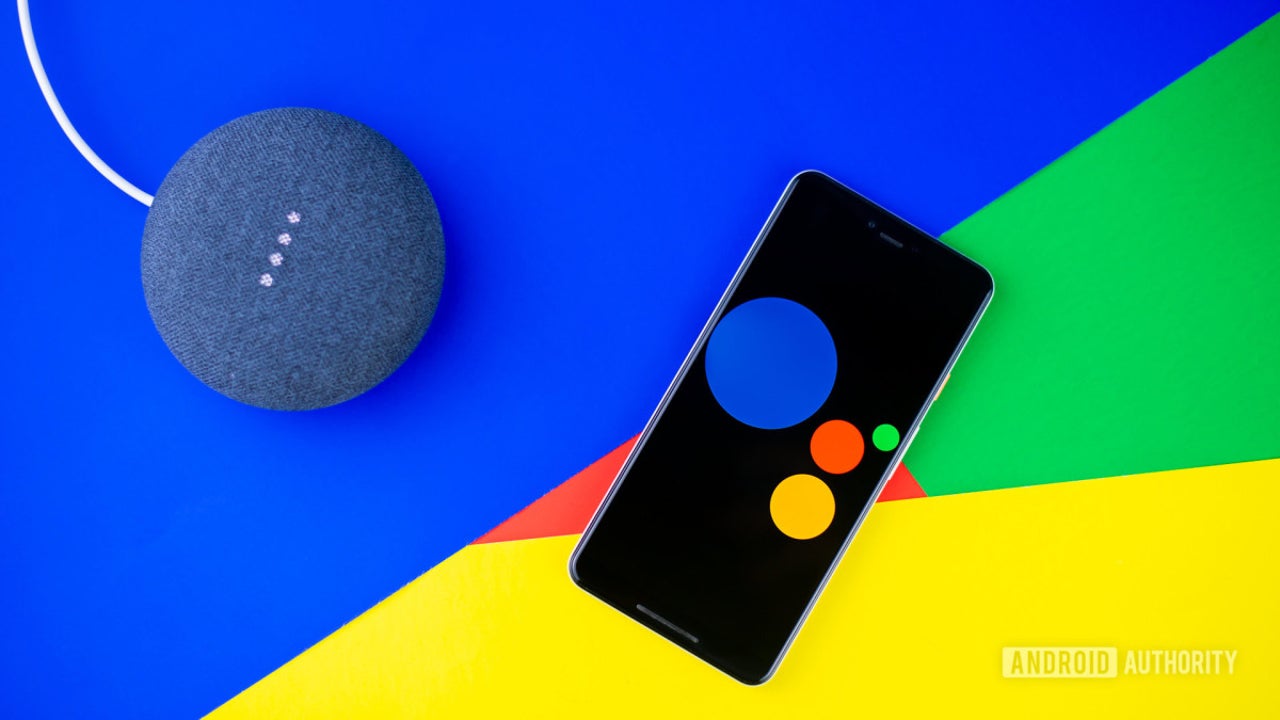

SAN FRANCISCO – The alarm will still go off. But the voice that answers when you ask what the weather is, or tells you to turn left in three miles, will no longer be Google Assistant. Starting September 4, Google is removing its ten-year-old voice AI from Android phones, Wear OS watches, headphones, and Android Auto, replacing it with Gemini across the board. Once the migration starts, there is no way to switch back.
Google Assistant launched in 2016 as the voice layer the company built between its search infrastructure and the devices people carry. It expanded from phones to smart speakers, watches, cars, headphones and televisions, becoming the default for hundreds of millions of Android users who built daily routines around its commands. The September 4 date, confirmed Wednesday by 9to5Google and The Verge, marks the end of the product’s run on consumer devices. Google began emailing users this week to notify them of the change, describing what Gemini will and will not be able to do in its place.
Gemini, the AI model that now powers the replacement, handles complex, multi-turn queries differently than Assistant did. Where Assistant was optimized for single-command tasks, Gemini is built around longer conversations and synthesis. Google has positioned the shift as an upgrade. In practice, according to early users and reviewers who have been running Gemini in place of Assistant, it performs well on requests that require reasoning but struggles with the precise, instant responses that Assistant made reliable. Those daily task shortcuts exist in a middle tier of the product that Gemini’s development has not fully addressed yet.
The Verge, reporting on the shutdown Wednesday, noted that Gemini still has “missing pieces in those day-to-day features, along with other familiar commands people already use.” That gap matters most for users who built their Android experience around voice-triggered automation: the morning alarm followed by a news briefing, the hands-free reminder while cooking, the live translation conversation while traveling. Those patterns worked reliably for years because Assistant was purpose-built for them. Gemini’s architecture was not designed with that use case as the original priority.
Not all devices are affected on the same timeline. Cars with Google built-in, the in-vehicle version of Google’s assistant embedded at the factory level, will continue running Google Assistant and are not part of the September 4 transition. Android Auto, however, which is the projected phone interface rather than the native in-car system, will make the switch along with handsets. A driver who relies on Android Auto from their phone will get Gemini on September 4, while a driver using their car’s built-in Google system will keep Assistant. Google has not specified a timeline for unifying that experience.

The transition mirrors a shift taking place across the industry. Apple, which built its AI services around Siri, announced last week a Siri AI paywall tied to iCloud+ that the enhanced version of its assistant would require a subscription, running on licensed Google Gemini under iOS 27. Both companies are betting that users will tolerate disruption to their existing routines in exchange for a more capable AI, even when the capability differential is not yet clear in everyday use.
Google has also been building toward this shift in its hardware lineup. The company’s upcoming Pixel 11 Pro, expected to be announced at the Made by Google event later this month, will ship natively with Gemini as its voice interface, the first Google flagship where Assistant is absent from the design process entirely. The September 4 shutdown removes Assistant from the installed base still carrying it, completing a transition already embedded in Google’s product roadmap.
One area where the transition carries real operational uncertainty for users is smart home control. Google Assistant became the backbone of millions of smart home setups in the United States, managing connected lights, thermostats, locks, and appliances through voice commands that executed reliably. Gemini depends on cloud inference for most of its responses. What that means in practice for the latency of voice commands, or for households in areas with unreliable connectivity, is not something Google has addressed directly in its user communications ahead of September 4. Softonic confirmed the scope of the transition, noting no carve-out for offline smart home commands.
The Assistant shutdown is part of a broader Google effort to migrate its products toward Gemini. Earlier this summer, Google’s Chrome AI security record showed the scale of that commitment: Gemini patched more bugs in June than in the previous two years combined, routing the AI through the browser’s existing infrastructure. The Android migration is the most visible consumer-facing version of that shift, because it affects a feature people interact with daily rather than a background security process.
Whether Gemini closes the capability gaps that matter to daily-routine users before September 4, or whether Google’s confidence in the migration is ahead of the product’s actual state, will become clear when the switch happens at scale. For the hundreds of millions of users who rely on Google Assistant for reminders, routines, hands-free navigation, and live translation, the transition represents a disruption with no option to wait. Google is emailing them to explain what is next. What it cannot yet promise them is that what is next is ready.