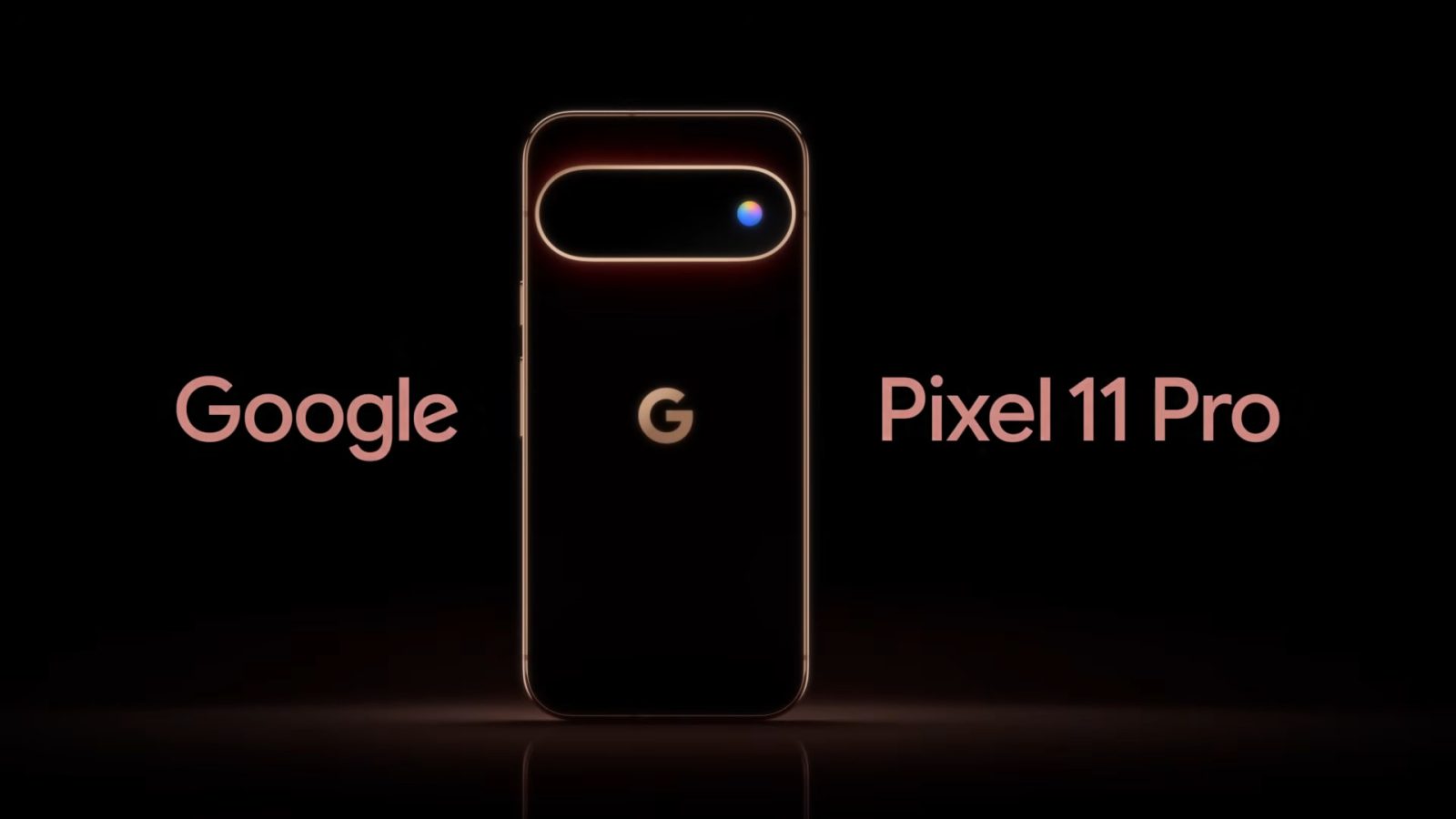

MOUNTAIN VIEW – Google has been teasing the Pixel 11 Pro for weeks through marketing materials that tell you everything about how the phone is supposed to feel and almost nothing about what it actually does. The company’s latest teaser sharpens that picture slightly. A circular Glow light now appears on the back of the device, rotating around the camera bar in a pinwheel motion that turns the rear of the phone into a deliberate design statement. It looks unlike anything else on the market right now.
The teaser, released Tuesday as part of Google’s “next obvious move” campaign ahead of the Made by Google 2026 event in approximately two weeks, frames the Pixel 11 Pro around integration rather than specification. Gmail, Maps, Search, Photos, and Drive appear as the use cases. “Ask more of your phone” is the tagline. The emphasis on software ecosystem over chip benchmarks is deliberate, and it tracks with how Google has been differentiating Pixel devices since the Pixel 9 series: not raw performance, but how well Android’s services work together on Google’s own hardware.
The circular Glow light is the hardware detail doing the most work in the teaser. Pixel 11 Pro leaks from May had already circulated images suggesting a rear-facing LED system would make it into the final device. The teaser makes it official in the sense that Google showed it, though the company has not described what the light does in practice beyond the marketing animation, which colors or patterns it supports, or whether the effect visible in the campaign accurately represents the production device. The materials carry a visual caveat indicating the reflective shine may be stylized.
The camera bar itself appears to have been revised. In prior Pixel Pro designs, the visor-style horizontal bar was primarily a functional housing for lenses and sensors. In the Pixel 11 Pro teaser, the bar and the Glow light are presented together as a unified design statement, which may indicate a structural change in how the rear module is constructed or may simply reflect how Google’s marketing team has framed similar hardware with different visual language. Without seeing the production device, the distinction between a redesigned camera module and a redesigned presentation of a comparable one is not possible to assess.
The “next obvious move” phrasing is carrying a specific argument. Google’s position is that for someone already using Gmail, Maps, Search, Photos, and Drive, a Pixel running Android with Gemini is the next logical hardware choice, because the integration is tighter than on a Samsung, OnePlus, or Motorola running the same Android build. The Pixel Drop creator strategy has been consistent on this point: Google is not trying to sell the best Android phone in the spec-sheet sense, it is trying to sell the Android phone that works best with Google’s services.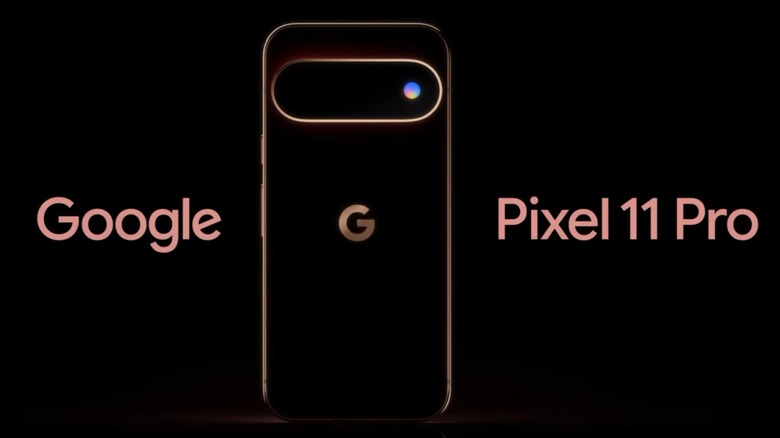
Whether that argument resonates commercially depends partly on how much differentiation remains between Google’s own Gemini integration and Gemini features available on third-party Android devices. Samsung’s Galaxy S26 lineup also runs Gemini features, as do flagships from other manufacturers. The “tighter integration” argument requires that integration to be meaningfully, perceptibly better on a Pixel than on a Galaxy S26 for the same set of tasks. Previous Pixel releases have made that case in some areas, particularly in computational photography and call screening, while conceding ground to Samsung on display quality, wireless charging, and ecosystem accessories.
The Pixel 10a value case has been eroded by aggressive flagship discounting that compressed the price gap between the budget model and the Pixel 10 Pro. The Pixel 11 Pro will arrive into a market where the Galaxy S26+ has been available at significant discount from its launch price. Where Google prices the 11 Pro, and how it justifies that price against the available premium competition, will be one of the more consequential product decisions Google makes in the weeks before the Made by Google event.
Google has not confirmed technical specifications for the Pixel 11 Pro. No chip name, display size, battery capacity, or camera sensor detail has appeared in official materials. The teaser is a visual and brand argument, not a product specification. The specifications that will determine how the phone reviews against the Galaxy S26 Ultra and the latest iPhone models are still, as of Tuesday, entirely unknown from official sources.
What the Pixel 11 Pro teaser does establish is the design language Google intends to lead with. The circular Glow light rotating around the camera bar will be the image on the billboard and the hero shot on the product page. Whether it translates into a purchase decision for anyone who is not already deep in Google’s ecosystem depends on everything Google has not yet revealed about the hardware inside the phone, and on a competitive landscape that has spent months discounting its way toward the price point Google will need to match.