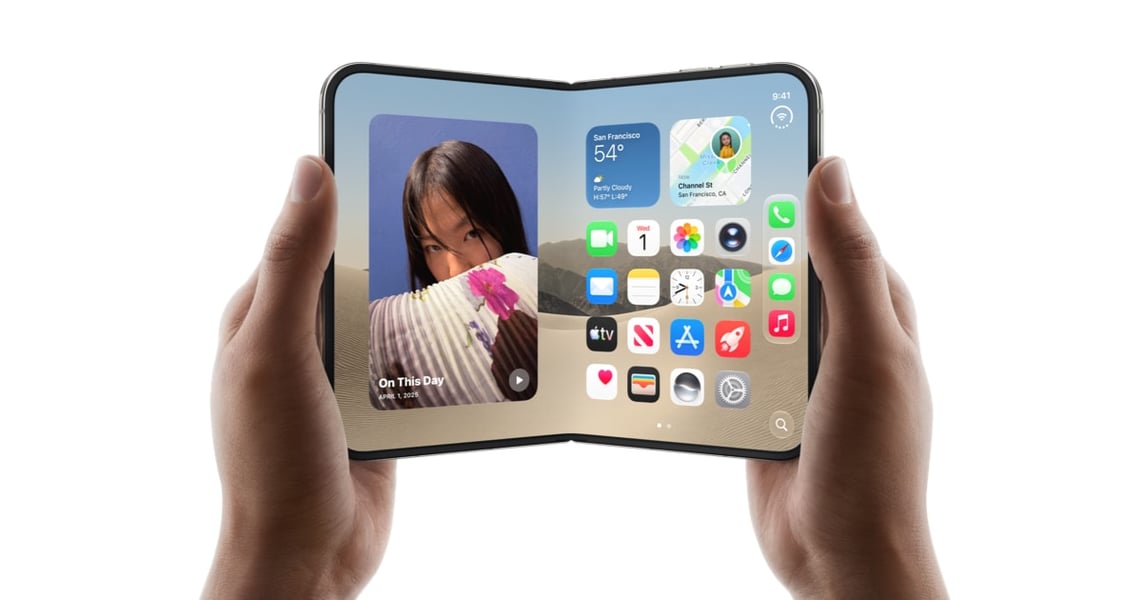

SAN FRANCISCO — Paying nearly $2,000 for a folding phone does not settle which camera will produce the photograph a buyer prefers. A new comparison of the iPhone Duo and Galaxy Z Fold 8 finds the answer changing with the scene, from dark feathers and stonework to flowers and distant grass.
CNET reporter Abrar Al-Heeti took both phones to Filoli, a historic house and garden in the San Francisco Bay Area, for a rear-camera comparison published November 7. She preferred the iPhone’s warmer tones and richer colors in several examples, while the Galaxy produced stronger results in others. Her conclusion was not an outright winner.
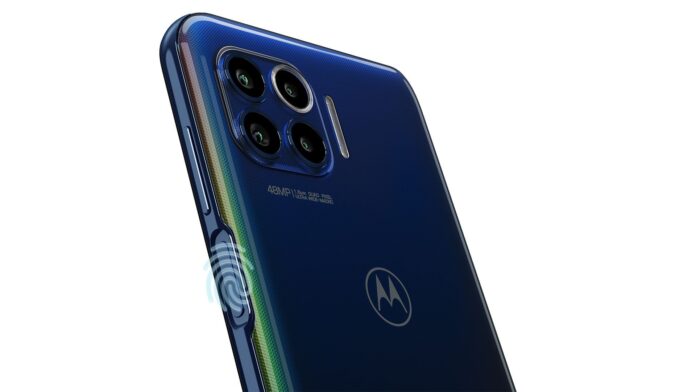
The comparison puts Apple’s first foldable against the standard Galaxy Z Fold 8, not the Fold 8 Ultra. That distinction matters: both tested phones have two rear cameras and omit a dedicated telephoto module, despite prices that place them among expensive smartphone purchases.
In CNET’s published comparison, the Duo starts at $1,999 for 256GB, against $1,900 for the same storage on the Fold 8. Those are the prices cited in the report, not a survey of current discounts, trade-in offers or prices in every country. The comparison concerns what the cameras delivered during one garden visit.
A stone bench illustrated why resolution alone would be a poor way to choose between them. Al-Heeti found that the Duo retained more detail in the stone and flooring while rendering deeper green foliage. In another garden scene, however, she preferred the Fold 8’s sharper tree-bark lines and brighter vegetation. Neither camera consistently held the detail advantage.
Her portrait of a raven exposed a different preference. She favored the Duo’s richer blacks, stronger colors and clearer separation of the bird from its surroundings. The Galaxy’s softer appearance was not the look she wanted for that subject. That is a judgment about a finished photograph, rather than a measurement proving one sensor categorically superior.
Flowers reversed the result again. The Fold 8 rendered hydrangeas and sky more vividly in the reviewer’s assessment, while the Duo’s sky looked more washed out. The examples complicate the broad description of an iPhone producing richer colors: a tendency across some scenes is not a rule for every subject or exposure.
The numerical specifications are close. Apple lists a 48-megapixel main camera and 48-megapixel ultrawide on the Duo. Samsung specifies 50-megapixel wide and ultrawide cameras for the standard Fold 8. The garden results do not support treating that small pixel-count difference as an automatic advantage in texture, color or focus.
There is a more consequential distinction within Apple’s own terminology. Its iPhone Duo technical specifications describe a 12-megapixel, 52mm-equivalent “optical-quality 2x Telephoto” option enabled by the 48-megapixel main camera. That is a shooting option within the main-camera system, not a third rear camera with a dedicated longer lens.
A buyer can therefore read that the Duo offers a 2x telephoto option and still correctly conclude that it lacks a dedicated telephoto camera. The two statements describe different things. A mode’s marketing label should not be counted as another physical camera when comparing the hardware on these foldables.
Samsung makes the model distinction explicit in its Galaxy Z8 camera guide. The standard Fold 8 has no telephoto module; the Fold 8 Ultra adds a 10-megapixel telephoto camera with 3x optical zoom. Assigning the Ultra’s equipment to the cheaper Fold 8 would misdescribe the device in CNET’s comparison.
Background blur introduced another variable. In the photograph of the reviewer reading, Al-Heeti preferred the Duo’s default blurred background because it made the book stand out. The Fold 8 retained more of the distant lawn and hills in focus, including individual blades of grass that she also appreciated.
Those outcomes answer different photographic intentions. One emphasizes a foreground subject; the other preserves more surrounding detail. CNET notes that the Duo’s blur can be disabled, so the difference shown is not proof that the iPhone is incapable of recording a more detailed background. It also makes this example a comparison of chosen camera behavior, not merely lens specifications.
For readers following the iPhone Duo camera trade-off, the distinction is practical. A pleasing garden image shows that two rear cameras can produce an attractive result. It does not remove the hardware omission for someone whose priorities include distant subjects or a dedicated optical-zoom lens.
The limits of the published exercise remain important. The article presents selected outdoor photographs, not a standardized laboratory score, and it does not establish a ranking for every rear-camera mode. Its garden comparisons should not be extended into claims about night photography, moving subjects, video or selfie quality that those examples do not test.
Al-Heeti’s conclusion leaves room for personal preference, with lighting and angles capable of changing the result. The most revealing example may be the book photograph: the Duo makes the foreground more prominent, while the Galaxy keeps more of the place visible. A camera can preserve more of a scene and still produce the picture a reviewer likes less.