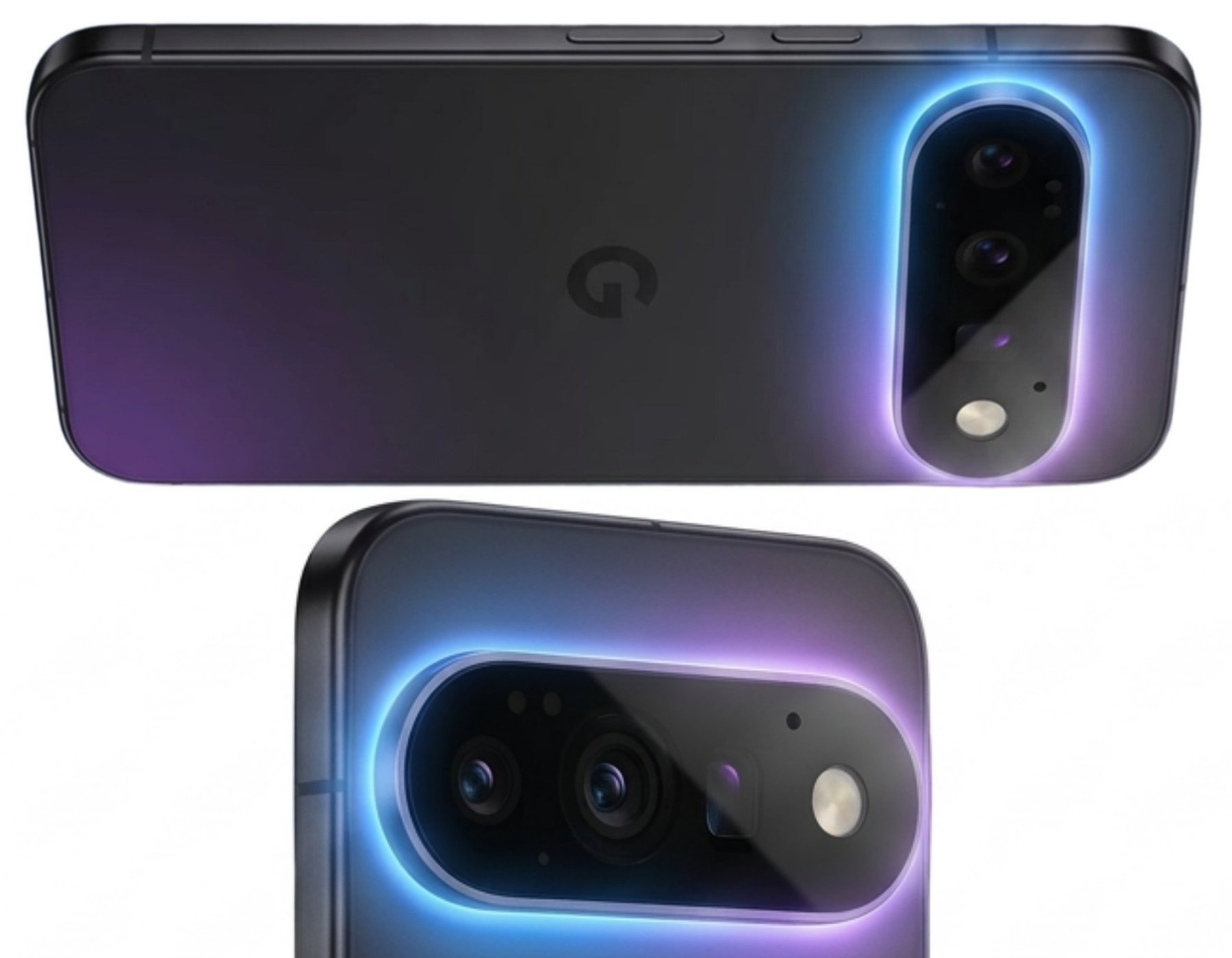

The Google Pixel 11 Pro is at the center of growing speculation after a brief but visually striking moment during Google I/O 2026 appeared to show a glowing camera bar effect. The feature, now widely referred to as “Pixel Glow,” has triggered intense debate across the tech industry, with analysts suggesting Google may be preparing a direct response to Nothing’s Glyph Interface while deepening its AI-first smartphone strategy.
Although Google has not officially confirmed any Pixel 11 hardware details, multiple leaks, Android 17 beta references, and developer analyses indicate that a new rear-facing LED notification system could be in development. The discussion has quickly escalated as the industry tries to determine whether the glow effect was real hardware or part of a Gemini AI demonstration.
Pixel Glow spotted during Google I/O 2026 Gemini demo
The speculation began during a Gemini Omni segment at Google I/O 2026, where a Pixel-like device briefly appeared with a glowing camera module effect. The animation looked synchronized with AI-generated visual changes, prompting theories that Google may have previewed a new feature rather than just showcasing software capabilities.

For context on the broader AI ecosystem driving these experiments, Google’s ongoing Android evolution and Gemini integration strategy can be explored through its latest platform direction in Android development coverage:
What is the rumored Pixel Glow feature?
Pixel Glow is believed to be a rear LED-based notification system embedded in the Pixel camera bar. Instead of relying solely on screen alerts, the system would use subtle lighting effects to communicate notifications when the device is placed face down.
Leaks from Android 17 beta builds suggest that this system could be tied to contextual AI events, potentially allowing Gemini to trigger unique light patterns based on message type, app activity, or assistant responses.
Some reports indicate that the system may include multiple lighting zones and color variations, making notifications more expressive and context-aware. A deeper look at Android’s evolving intelligence layer shows how tightly Google is integrating AI into system-level features through updates like this:
Android 17 Gemini intelligence evolution.
Inspired by Nothing Phone’s Glyph system
The design direction of Pixel Glow strongly resembles the Glyph Interface found on Nothing smartphones, which turned rear lighting into a functional notification system. However, Google’s approach appears more deeply integrated with AI behavior rather than simple notification signaling.
Where Glyph primarily focuses on visual alerts, Pixel Glow could evolve into a dynamic communication layer between Gemini AI and the user. This includes adaptive lighting patterns for calls, reminders, and contextual system events.
This shift reflects broader smartphone design trends driven by ambient computing and visual feedback systems, which have been increasingly discussed across the industry in relation to next-generation Android experiences.
For comparison with broader Android evolution and design experimentation trends, see analysis of Google’s platform direction here:
Was it a real Pixel 11 prototype or just an AI illusion?
Despite widespread excitement, there is still no confirmation that Google actually revealed Pixel 11 hardware during the keynote. Several analysts suggest the glowing effect may have been part of Gemini Omni’s real-time video manipulation capabilities rather than a physical device feature.
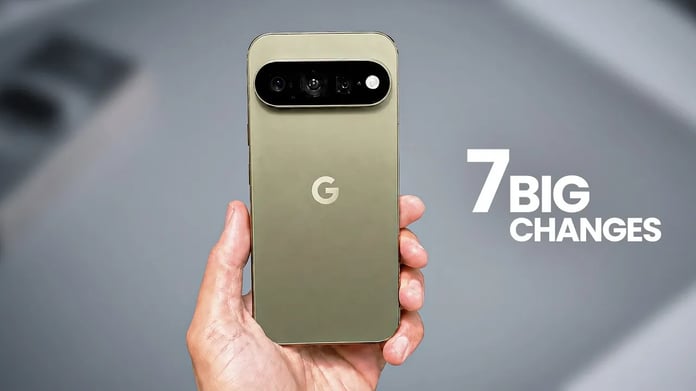
Some observers even point out that the device shown closely resembles earlier Pixel models, raising doubts about whether the Pixel 11 was involved at all.
This uncertainty has led to two competing interpretations: one suggesting an intentional teaser of Pixel Glow, and another arguing it was purely a generative AI effect demonstrating how visuals can be altered in real time.
Android 17 code hints at hardware-level lighting system
Despite skepticism, deeper evidence comes from Android 17 beta code, which references experimental notification lighting features. Developers analyzing the build suggest that such a system would likely require dedicated hardware LEDs embedded in the camera bar.
This strengthens the argument that Pixel Glow is not just a software concept but potentially a hardware-backed feature in development. The broader AI expansion across Google services also reinforces this direction, especially as Gemini becomes more deeply integrated into search and system tools.
More on Google’s expanding AI ecosystem and its integration into Android services can be found here:
Pixel 11 series expected specifications (leaked)
Beyond Pixel Glow, leaks suggest that the Pixel 11 series will introduce major hardware upgrades, including a next-generation Tensor chipset, improved power efficiency, and enhanced AI processing capabilities. These improvements align with Google’s broader strategy of positioning Pixel devices as AI-first smartphones rather than traditional hardware competitors.
The Tensor platform is expected to continue evolving toward deeper on-device AI execution, enabling faster and more context-aware system responses. This positions the Pixel lineup closer to an intelligent computing device rather than a conventional smartphone.
Industry reaction: innovation or gimmick?
Reactions across the tech industry remain divided. Supporters argue that Pixel Glow could improve usability by providing subtle, glanceable notifications without requiring screen activation. It also strengthens Pixel’s identity in an increasingly competitive smartphone market.
Critics, however, question whether rear lighting systems offer meaningful utility beyond aesthetic novelty. Similar systems in other devices have often been debated for their real-world usefulness.
Still, Google’s potential implementation appears more advanced due to its tight integration with Gemini AI, suggesting a shift toward contextual and adaptive device behavior rather than static notification systems.
Conclusion
The Pixel 11 Pro “Pixel Glow” leak represents one of the most intriguing smartphone rumors of 2026. While evidence from Android 17 beta code and Google I/O visuals suggests active development, the boundary between real hardware and AI-generated demonstration remains unclear.
If confirmed, Pixel Glow could mark a significant shift in smartphone interaction design, blending ambient lighting, artificial intelligence, and contextual notifications into a unified experience. For now, however, Google has left the tech world with more questions than answers as anticipation builds toward its next hardware announcement cycle.
Related Posts