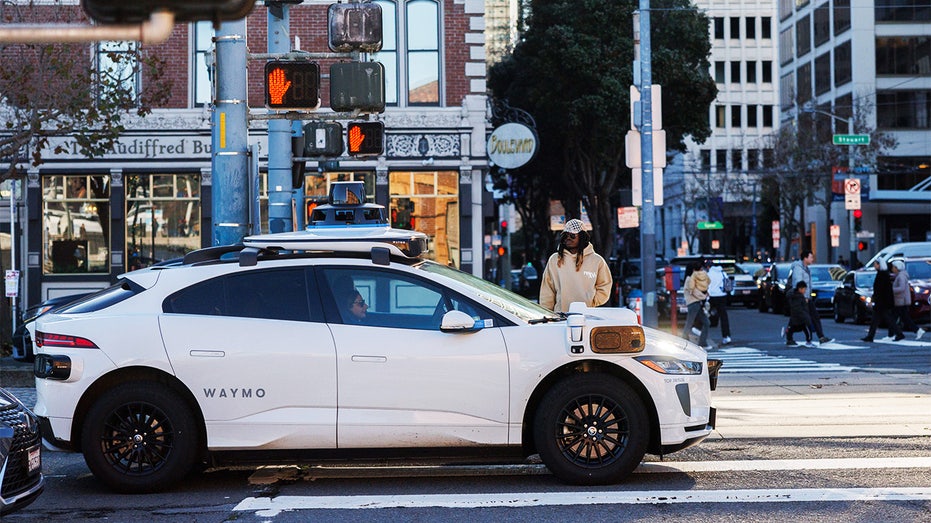

SAN FRANCISCO — California has given Waymo permission to operate autonomous robotaxis across more of the state, approving the Alphabet-owned company’s bid to expand its driverless ride-hailing service into Sacramento and San Diego while also authorizing a significant scale-up in the Bay Area and Los Angeles markets where it already operates.
The California Public Utilities Commission granted the expansion Saturday, handing Waymo the largest single regulatory green light in the history of autonomous vehicle deployment in the United States. The company had already secured authorization from the California Department of Motor Vehicles to deploy driverless vehicles statewide, but CPUC approval is the separate commercial licensing step required before it can actually charge passengers for rides.
Waymo announced the decision in a post on X, calling it “big news for the Golden State.” The company followed with a formal statement: “This is an important milestone that will allow Waymo to bring the safety and mobility benefits millions of Californians already enjoy to more communities across the state.”
The language is careful because Waymo cannot tell Sacramento and San Diego when to expect the cars. The company said expansion would be “gradual and guided by our safety framework” and declined to provide specific launch dates for either new market. What CPUC approved was the authority to operate commercially, not a timeline for exercising it.
That gap between authorization and deployment matters in a way the announcement tends to obscure. Waymo currently operates thousands of autonomous vehicles across San Francisco, Los Angeles, Phoenix, and Austin. In February 2026, it announced plans for Chicago, where it has been mapping streets and running manual test vehicles. At each expansion, Waymo has described the move as a careful, phased rollout. Sacramento and San Diego join a list of cities that are authorized but not yet served.
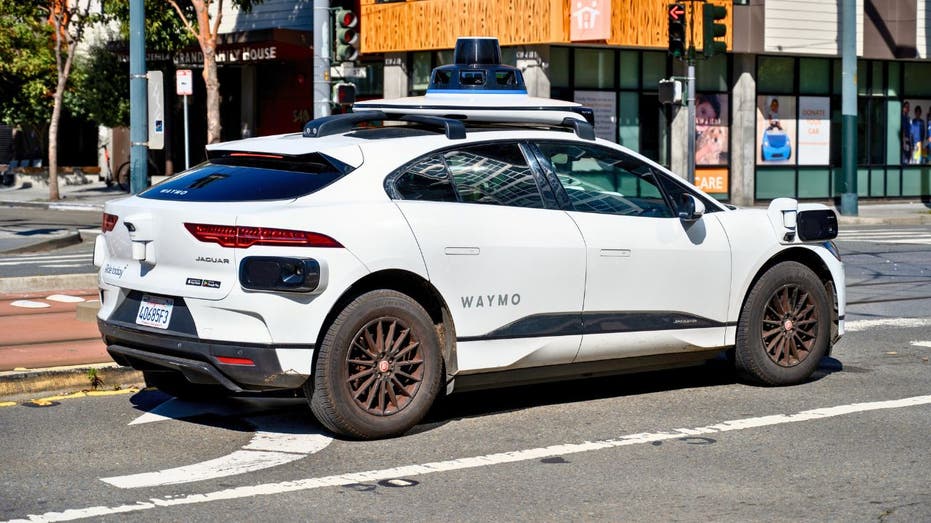
There is also the question of June. In June 2026, Waymo recalled nearly 4,000 robotaxis after the National Highway Traffic Safety Administration identified a software defect that allowed affected vehicles to enter closed freeway construction zones and maintain posted speed limits rather than stopping. Waymo applied a remote software update, and the recall was administratively closed. NHTSA had not publicly confirmed whether its underlying investigation into autonomous vehicle safety at construction sites was fully resolved when CPUC issued Saturday’s approval.
Fox Business reported that Waymo’s robotaxi fleet currently operates across four American cities, with Saturday’s CPUC decision marking the first expansion of California’s commercial AV footprint beyond its initial two markets.
Waymo’s position in the autonomous vehicle market is unusual. It is the most commercially advanced AV operator in the United States, but it occupies that position in a market where regulatory frameworks, liability structures, and public trust are still evolving. CPUC’s approval is an endorsement of Waymo’s operational record. It is not a judgment on what happens when that record extends into construction corridors in downtown Sacramento or heavy coastal traffic in San Diego.
The AI trust crisis affecting technology companies more broadly is not an abstraction for Waymo. The company depends entirely on public willingness to enter a vehicle controlled by software, in a regulatory environment where a single high-profile incident carries consequences that no amount of statistical safety advantage can immediately reverse. The June recall did not result in serious accidents in construction zones, but the disclosure that the software was capable of ignoring closed-zone warnings was exactly the kind of event that tests public confidence.
Sacramento and San Diego represent meaningfully different operating environments from San Francisco and Los Angeles. Sacramento’s traffic patterns are shaped by government workers, suburban commuting distances, and a downtown core that experiences significant event-day surges around the state capital. San Diego is a coastal city with significant tourism traffic, a large military presence, and road conditions that differ from anything in Waymo’s existing California footprint.
The broader competitive context sharpens the stakes. Tesla’s Full Self-Driving software is accumulating miles across the United States, and Elon Musk has pledged a paid robotaxi network in Texas and California. Uber has structured partnerships with multiple autonomous vehicle companies to position its platform to absorb AV fleets as they scale. Alphabet’s investment in Waymo is a long-term bet on the company becoming the dominant commercial AV operator before competitors can match its safety record and data volume.
AI infrastructure expansion in the United States is encountering organized resistance from communities that did not anticipate the physical footprint of artificial intelligence. Autonomous vehicle expansion tends to face a different kind of resistance, one tied more directly to trust in systems that were previously human.
What CPUC’s approval does not do is answer the trust question. It establishes that Waymo has the regulatory standing to expand commercially and reflects the commission’s assessment of the company’s operational record. What it leaves unresolved is when Sacramento and San Diego will actually see their first driverless ride requests, and whether the expansion schedule will hold if anything in the June recall’s technical history surfaces in a new geography.
Waymo said the expansion would be guided by safety. The regulatory approval it received Saturday means it can now start figuring out what that looks like at scale in two more California cities.