
WASHINGTON, D.C. — The steering wheel stalk clicks into position, the lane marker passes, but the 7-inch instrument panel on the 2025 Toyota Camry Hybrid shows nothing: no amber blink, no confirming flash, nothing to tell the driver that the signal has already stopped working. Nobody in the car beside it knows a turn is coming.
That failure mode, subtle and self-concealing, is at the center of a federal safety recall affecting 508,354 Toyota Camry Hybrid vehicles. Toyota announced Tuesday it is recalling all 2025 and 2026 model-year Camry Hybrids whose combination meter display may go blank during startup, cutting power to the turn signals, hazard lights, seat belt reminder chime, and smart key warning simultaneously. The National Highway Traffic Safety Administration assigned campaign number 26V511000 to the action, which Toyota filed on June 8. Toyota’s internal recall numbers are 26TA16 and 26TB16.
The malfunction is a software error embedded in the vehicle’s startup sequence. When the ignition powers on, a fault in the combination meter’s operating code can cause the display to blank. The display blackout is not always visible to the driver; the screen may appear normally dim rather than fully dark. But the consequence is immediate: the instrument cluster loses its connection to the systems it controls, and turn signals stop functioning.
The flaw is confined to one display configuration. Toyota equipped some 2025 and 2026 Camry Hybrids with a 7-inch combination meter and others with a wider 12.3-inch digital cluster. Only the smaller display is affected. Owners of the larger cluster face no issue, though without checking their vehicle’s window sticker or owner’s manual, most Camry drivers would not know which screen they have.
What the recall documents describe as “deactivating” turn signals is distinct from a mechanical signal failure. When a turn signal bulb burns out, most vehicles respond with an audible rapid-tick sound, a familiar cue that something is wrong. When the instrument cluster loses its input connection, no such sound occurs. The stalk moves, the driver’s intent is registered inside the cabin, but no amber light blinks at the rear of the car, and no faster clicking alerts the driver that the signal has stopped.
Toyota has reported no crashes or injuries linked to the defect. The company has also not disclosed when the software error was first identified in development or how many vehicles may have experienced the blank-screen fault before the June 8 recall filing. The gap between that filing and Tuesday’s public announcement is more than two months, meaning some owners were unaware of the issue throughout the summer.
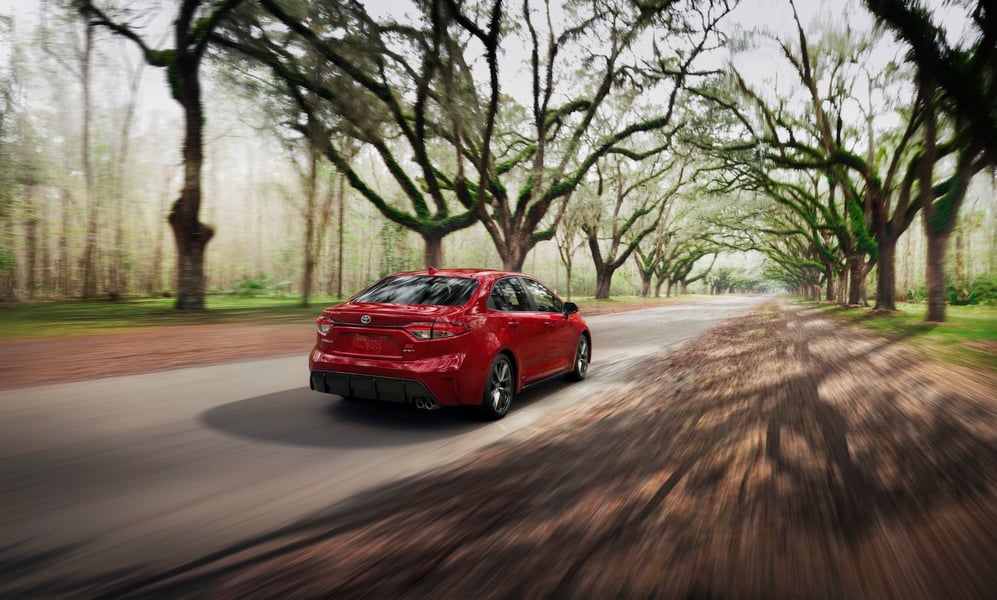
The recall covers the full American output of the Camry’s current generation. The 2025 model represented a structural shift for the nameplate: Toyota discontinued the conventionally powered version and redesigned the Camry as a hybrid-only vehicle when it released the current generation. Every Camry sold in the United States for the 2025 and 2026 model years pairs a gasoline engine with an electric motor. The recall therefore touches every new Camry sold since that transition.
The fix is a software update installed at an authorized Toyota dealership at no charge. TFLcar reported the repair specifications. A related Toyota and Lexus instrument cluster recall issued late last year, covering 591,377 vehicles across nearly two dozen models, permitted over-the-air software updates for non-hybrid variants. The Camry Hybrid recall does not; owners must bring the vehicle to a dealer for the manual update.
The action adds to a compressed stretch of operational disruptions for Toyota. Toyota’s production at several Japanese facilities was suspended in early August after a magnitude-7.1 earthquake struck Kumamoto Prefecture, where damage to an Aisin supplier plant created ripple effects across Japan’s automotive supply chains.
Owner notification letters are scheduled to begin arriving on September 21 and finish by October 5. Owners who want to confirm their vehicle’s eligibility before then can enter their 17-digit VIN at NHTSA’s recall portal or at Toyota’s recall lookup site. Toyota’s customer service line for recall inquiries is 1-800-331-4331.
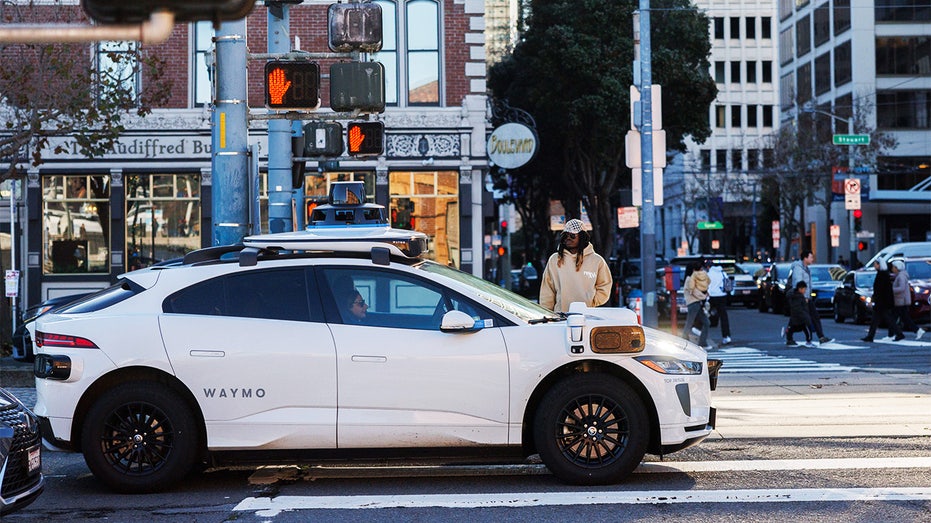
Federal regulators have grown increasingly attentive to how software-driven instrument systems interact with traditional vehicle controls, a concern that extends well beyond the Camry. Waymo’s July 4 gridlock in San Francisco, where more than 60 autonomous vehicles stopped simultaneously in intersections, prompted the city’s mayor to call for national federal safety standards on software-governed vehicle behavior. The Camry recall, while involving no autonomous functions, illustrates a parallel vulnerability: a startup-sequence bug that silences safety features drivers assume are always on.
General Motors reversed its all-electric strategy for Cadillac this summer amid shifting consumer demand, part of an automotive industry still navigating a period of accelerated technological transition. Software recalls now represent a growing share of NHTSA’s annual enforcement caseload as manufacturers treat instrument clusters and driver information systems as running software platforms rather than fixed hardware. The Camry fix is efficient in design; getting half a million owners to schedule a dealer appointment is the harder part, and NHTSA will track completion rates.
What the recall documents cannot answer is how long the startup bug existed before Toyota filed in June, or whether any accidents happened in the interim that were not attributed to an instrument failure. NHTSA may follow up with owners who have not received the software update by a deadline yet to be determined. Owners who notice a blank or unresponsive instrument cluster before receiving their letter are advised to contact Toyota directly or visit a dealership without waiting for the scheduled notification.