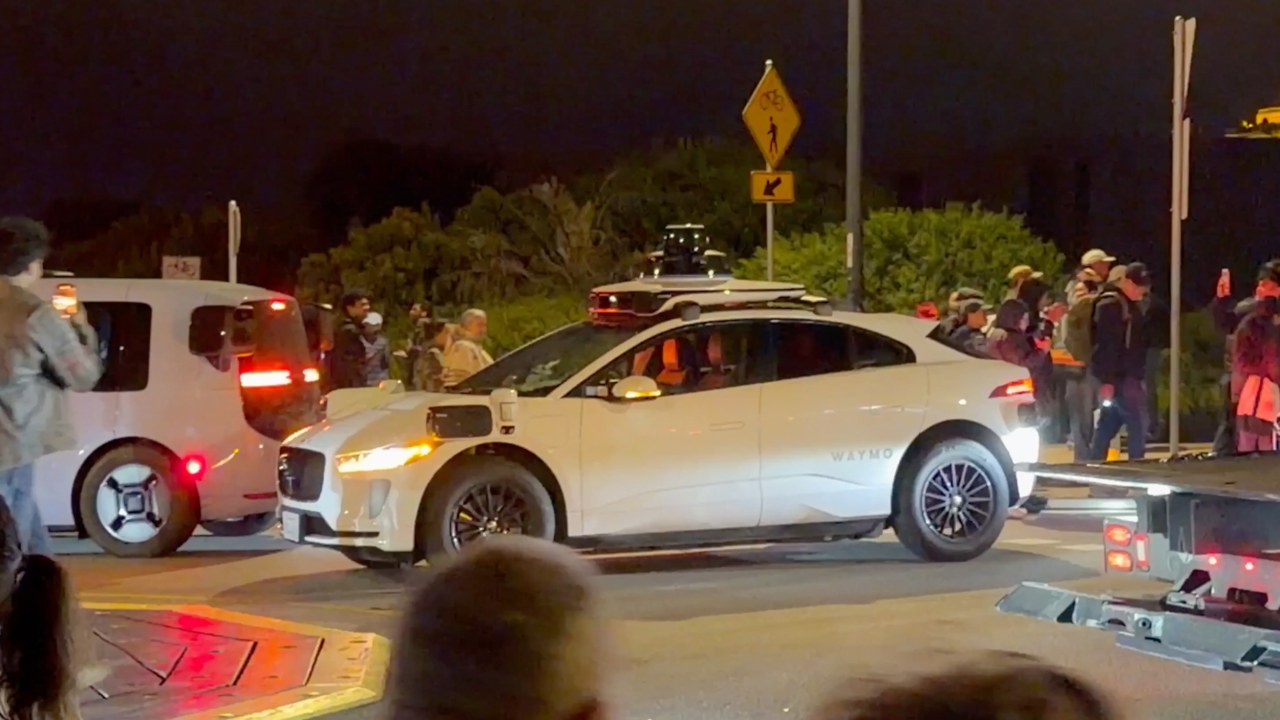

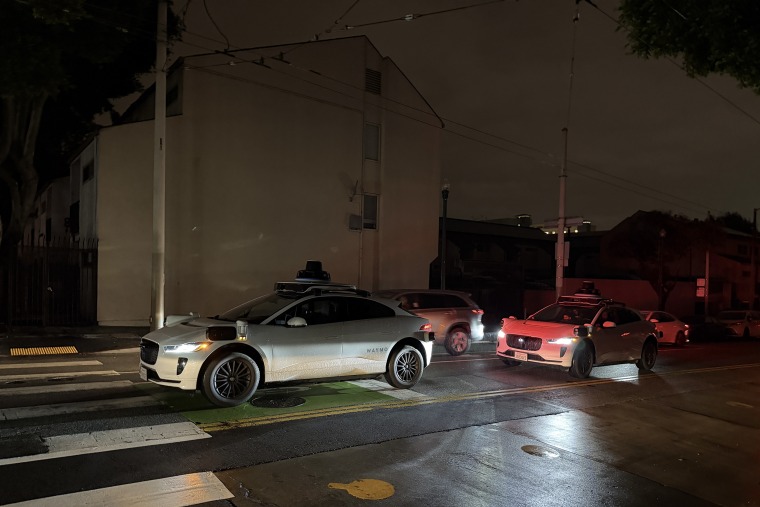
SAN FRANCISCO – More than sixty Waymo vehicles stopped simultaneously in downtown San Francisco on the evening of July 4, blocking intersections and disrupting emergency vehicle access for nearly an hour before the company remotely intervened. The incident did not injure anyone. It did something potentially more consequential for the robotaxi industry: it changed the public position of the politician who had been Waymo’s most consistent civic defender.
San Francisco Mayor Daniel Lurie announced Monday that he is pushing for federal safety standards governing autonomous vehicles, a position he has now communicated directly to the National Highway Traffic Safety Administration and to congressional offices. The statement places Lurie alongside a growing cohort of mayors and state officials who argue that the current regulatory framework, which allows robotaxi companies to expand deployment while safety standards remain largely voluntary and self-reported, has outpaced what cities can manage on their own.
Waymo, owned by Alphabet and operating the largest commercially deployed robotaxi fleet in the United States, has used San Francisco as its primary proving ground and headquarters city. The company has driven millions of autonomous miles in the city’s streets, accumulated a safety record that compares favorably to human-driven vehicles on most tracked metrics, and enjoyed the active cooperation of city officials in navigating the permitting requirements that govern its expansion. Lurie had been among the most visible municipal advocates for that cooperation.
The July 4 gridlock changed the calculus. Waymo attributed the mass stoppage to a software update that interacted unexpectedly with the concentration of its vehicles in a small geographic area during high demand. The company said it identified the issue and resolved it, and that no similar event had occurred since. But the incident produced footage that circulated widely, including video of a Waymo vehicle blocking a fire truck attempting to access an emergency scene, and it animated criticism from city supervisors who had previously supported the company’s deployment.
The San Francisco Chronicle, which first reported Lurie’s regulatory push, described the mayor’s position as emblematic of a broader shift: the city that had most aggressively embraced autonomous vehicle technology was now asking whether the embrace had moved faster than the safety infrastructure could sustain. Politico, in a separate analysis, framed Lurie’s call as a signal moment for critics who had argued that robotaxi deployment had proceeded with insufficient federal oversight.
NHTSA’s existing authority over autonomous vehicles is substantial on paper but has been exercised inconsistently. The agency can require manufacturers to submit safety reports, investigate incidents, and order recalls of autonomous driving systems, as it did in its earlier NHTSA inquiry into Waymo’s interactions with emergency responders. It cannot, under current law, set performance standards for autonomous vehicles before deployment, a gap that critics argue makes the regulatory posture reactive rather than preventive.
The sector’s other prominent operator, Amazon-owned Zoox, was navigating its own regulatory scrutiny at the same moment. A Zoox robotaxi recall issued in July over a smoke-generation risk in the battery system added to the pressure on the autonomous vehicle industry at the precise moment Waymo’s July 4 incident was generating the most sustained political attention the sector had faced.
Whether Lurie’s call translates into federal action depends on factors the mayor cannot control. The current Congress has shown limited appetite for technology-specific regulation, and the Trump administration has signaled a preference for permissive rules for autonomous vehicle deployment, viewing the sector as a domestic manufacturing and competitiveness priority, a position that has extended to Tesla’s self-driving program alongside Waymo’s. A national standard that city officials would welcome as a safety floor could face resistance from an administration that has generally favored removing barriers rather than adding them.
Inside Waymo, the July 4 incident has prompted reassessment of how the company manages software rollouts that affect vehicle behavior across geographically concentrated deployments. The company has not said whether it will proactively disclose the specific parameters of the update that caused the mass stoppage, or whether it has briefed NHTSA on the technical details of the software failure. Its public statements have described the event as resolved without addressing how it was permitted to occur in the first place.
The political economy of robotaxis in San Francisco has shifted in ways that would have been difficult to predict two years ago, when the city was the site of both the most optimistic projections about autonomous vehicle adoption and some of the most hostile public demonstrations against it. What Lurie’s position reflects is something more complicated than either earlier pole: a city official who supported the technology, watched a significant failure occur in front of a national holiday crowd, and is now asking whether the institutions designed to govern that technology are structured to prevent the next one.