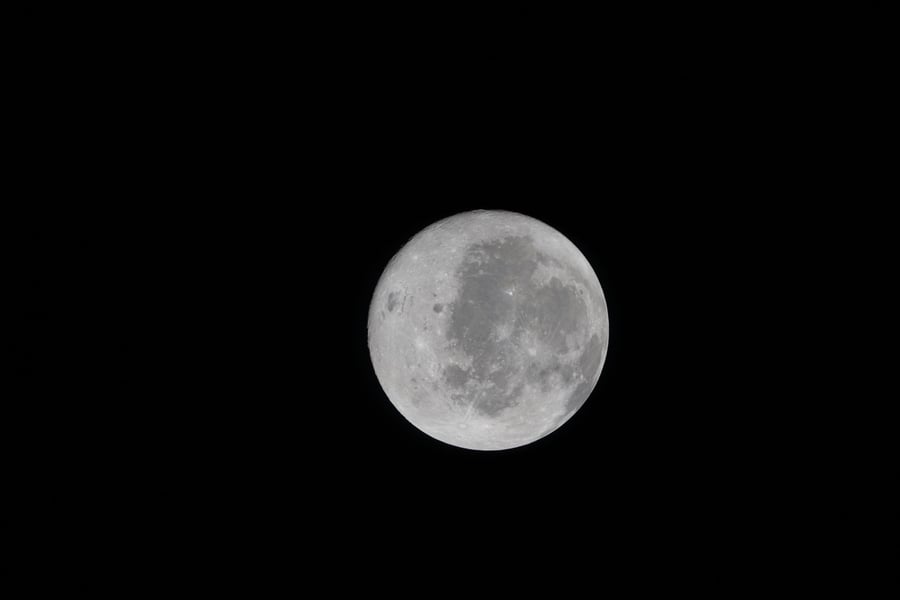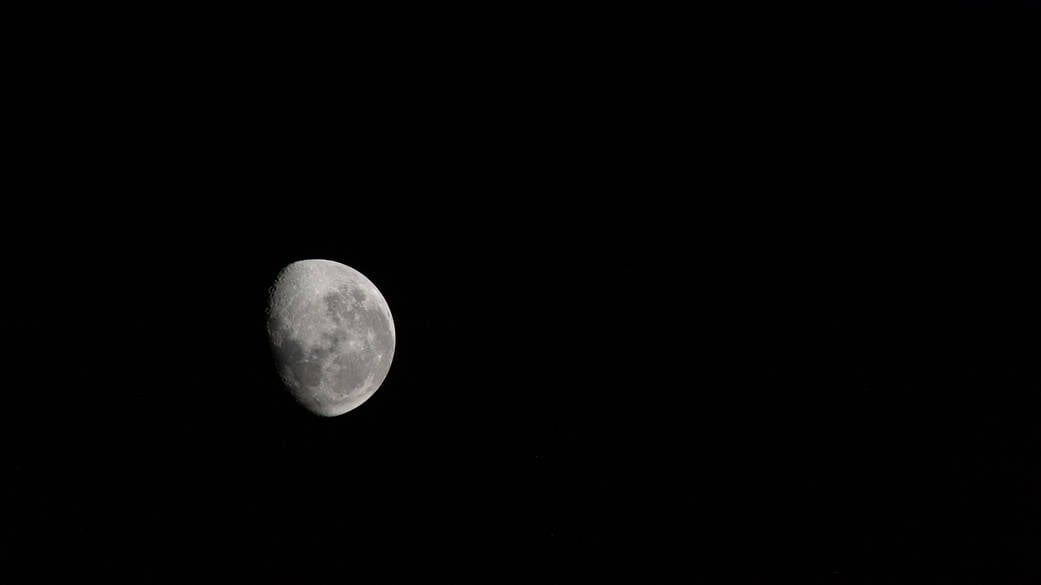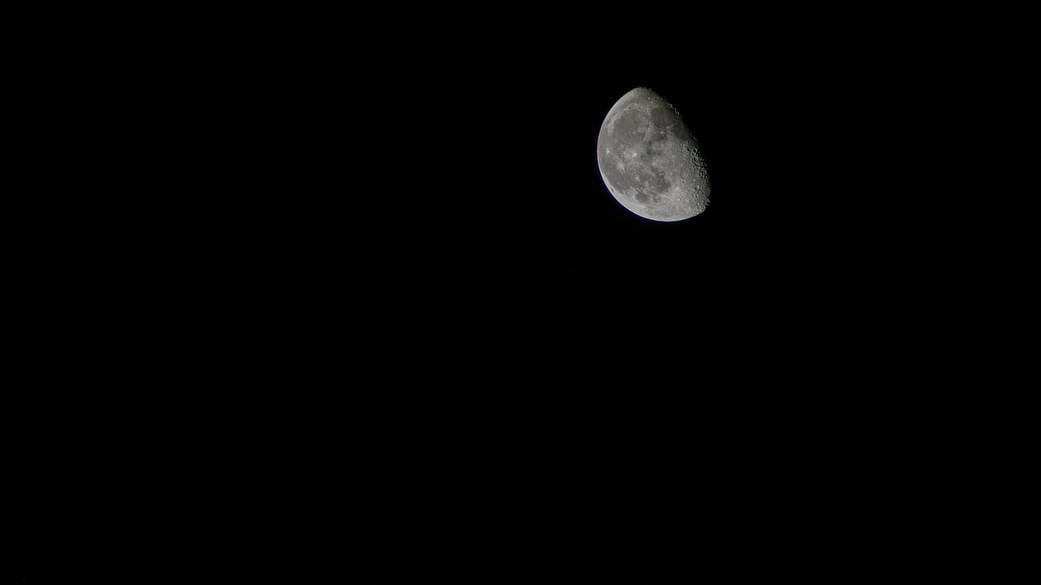

The Moon is a thin Waning Crescent tonight, August 9, 2026, displaying 13% illumination and sitting just three days from the New Moon. For anyone hoping to spot it, look to the east-southeast in the hours before sunrise, where the narrow arc of light will appear low against the brightening horizon before fading with the dawn.
At 26 days into its current lunar cycle, the Moon has nearly completed its monthly circuit. It now rises in the predawn hours and sets in the late morning, tracing a shallow arc through the eastern and southern sky. Its distance from Earth today is approximately 363,600 kilometers, placing it near its closest approach in the current orbit.
The Waning Crescent phase follows the Last Quarter, which passed on August 6 at 02:21 UTC. On August 7, the Moon was a waning crescent at 34% illumination — since then the lit portion has narrowed steadily each morning. The New Moon arrives on August 12 at 17:36 UTC, when the Moon passes between Earth and the Sun and becomes invisible in the night sky.
The August lunar cycle continues through the month. The First Quarter Moon follows on August 20 at 02:46 UTC, when the Moon appears half-lit and rises around midday. The Full Moon for August 2026 — the Full Sturgeon Moon — arrives on August 28 at 04:18 UTC, closing the cycle that began with the New Moon on July 14.
The Sturgeon Moon is the traditional name given to August’s full moon in North American almanac tradition, drawn from the Great Lakes and Lake Champlain fishing calendars where large lake sturgeon were most commonly caught during this month. The name was popularized by the Maine Farmers’ Almanac starting in the 1930s and has since become standard in English-language astronomy coverage.
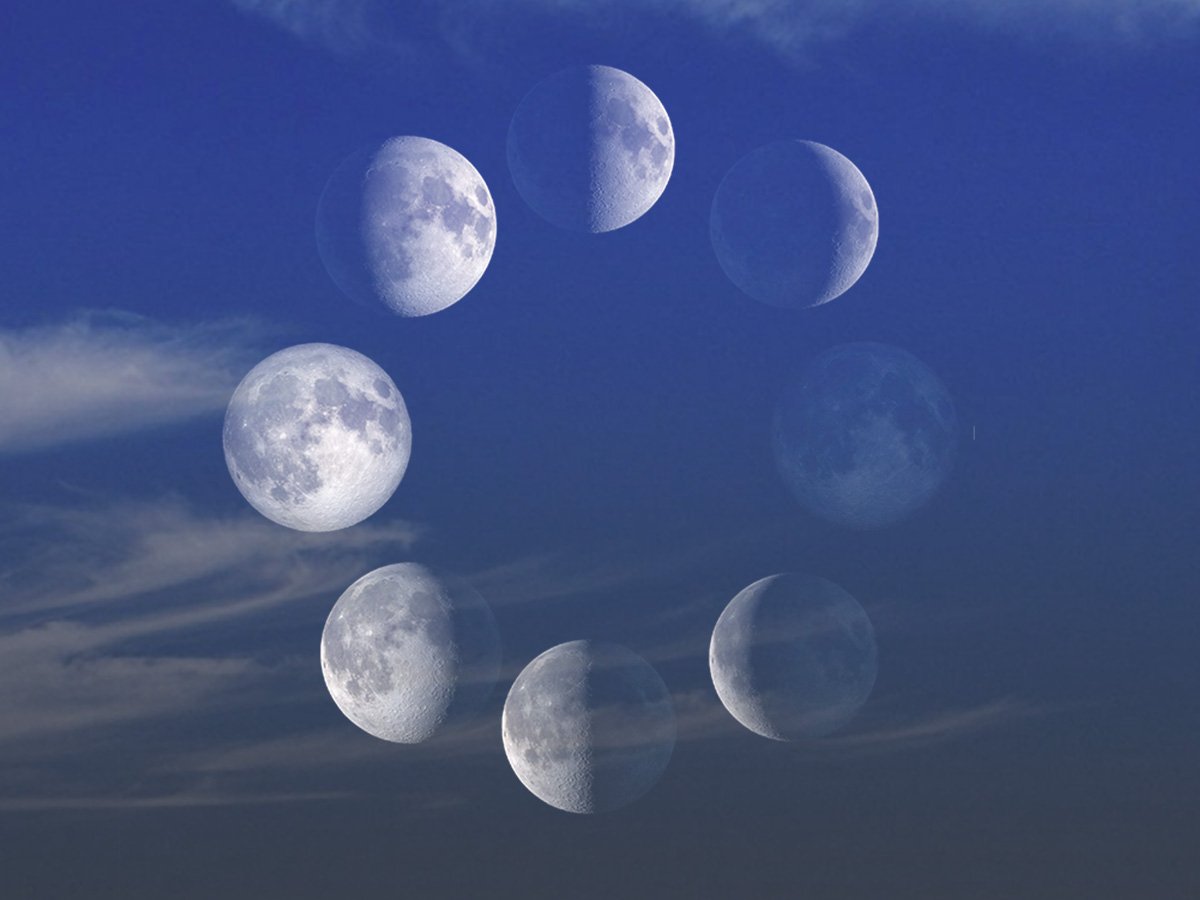
Waning crescent moons are visible only in the morning sky, which means most casual observers miss them. The crescent is at its thinnest and most striking just before New Moon, when only a sliver of the sunlit surface faces Earth. This week’s crescent will narrow further over the next three mornings before disappearing at the New Moon on August 12.
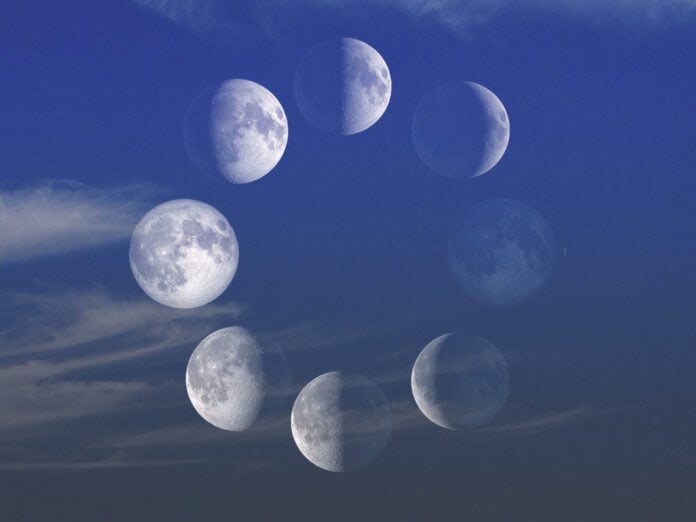
The Moon completes a full synodic cycle, from one New Moon to the next, in approximately 29.5 days. That cycle governs the monthly progression through New Moon, Waxing Crescent, First Quarter, Waxing Gibbous, Full Moon, Waning Gibbous, Last Quarter, and Waning Crescent before returning to New Moon again. Tonight’s phase places the Moon at day 26 of that sequence, with the reset three days away. Recent work by astronomers using the James Webb Space Telescope has expanded understanding of how moons and orbital bodies form across other star systems, providing context for Earth’s own lunar mechanics.
Visibility of the crescent depends on local conditions. Clear skies and a low, unobstructed eastern horizon improve the view considerably. Light pollution in urban areas makes the thin crescent harder to see; observers outside city centers will have a sharper sighting. The crescent will be easier to distinguish in the 30 to 45 minutes before sunrise, when the sky is bright enough to orient but the Moon is still visible above the horizon.