
GREENBELT, Md. — Engineers moved the secondary mirror of NASA’s Nancy Grace Roman Space Telescope by about one-sixteenth the width of a human hair, and the observatory’s main camera now produces sharper images than the agency’s own models predicted.
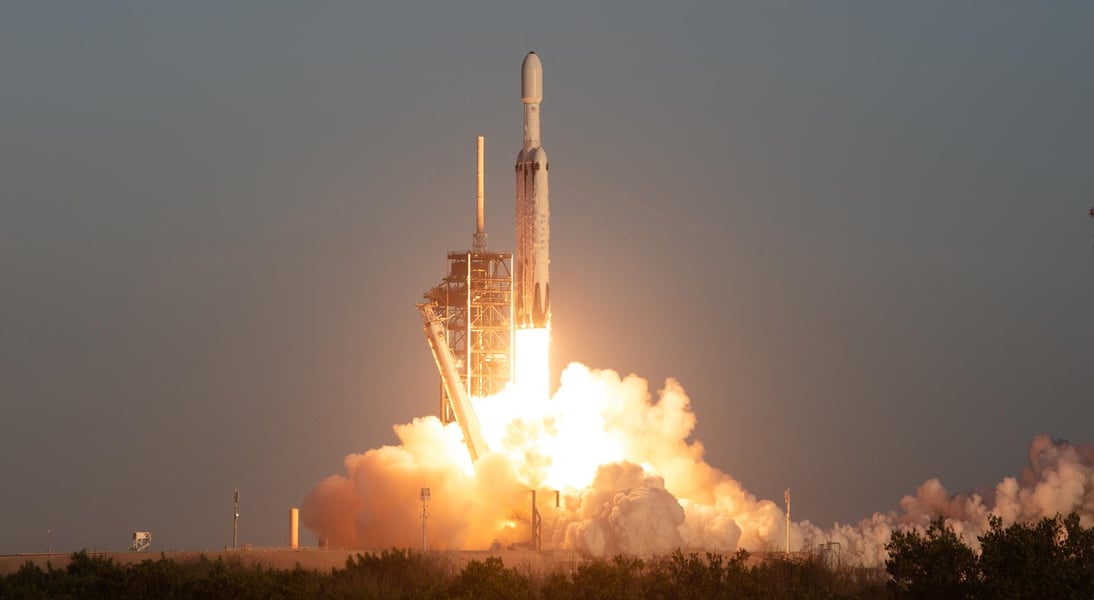
The optics of the Wide Field Instrument now show an error of 63 nanometers RMS, NASA said, against a requirement of about 90, which the agency describes as nearly 30% better than the team predicted. The telescope launched August 30 aboard a SpaceX Falcon Heavy, and the instrument was switched on in September.
That matters because every one of Roman’s sweeping surveys runs through it. “Many of the mission’s primary goals, like studying dark matter and dark energy, wouldn’t be possible without it,” said Dave Hickey, a Wide Field Instrument systems engineer at NASA’s Goddard Space Flight Center.
Alden Jurling, a senior optical engineer on the mission, put the size of the mirror move in terms of New York’s skyline. In a NASA blog post, he said that if the mirror’s height above the primary were scaled up to the Empire State Building, the change would be a little less than a single U.S. penny stacked on the tower’s tip.
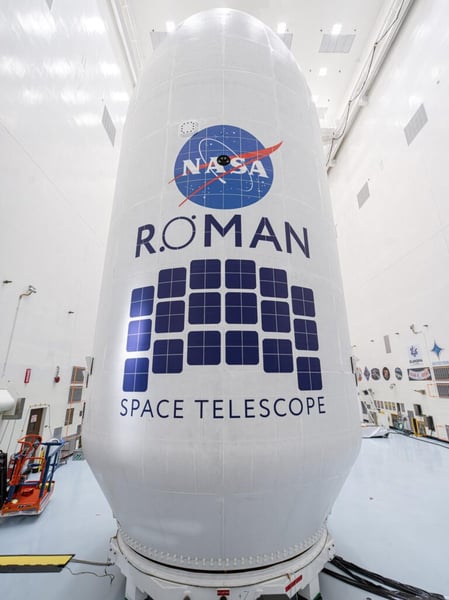
Since September the team has checked the instrument’s 18 detectors and their electronics, the element wheel that holds its filters, the calibration LEDs, and the thermal system. It also moved the alignment mechanism from the out-of-focus position it was stowed in for launch to its predicted best focus. NASA credited ground testing at Goddard and by contractors L3Harris and BAE Systems with leaving “only small corrections” to make.
The telescope’s second instrument, the Coronagraph, was slightly out of focus at first, less than the team had anticipated, and now meets expectations. Its team will keep calibrating the camera and pick the best settings for its deformable mirrors before trying to demonstrate its light-blocking ability, which NASA expects to do in the coming weeks.
The post includes no new telescope images and gives no date for the start of survey observations. The 63-nanometer figure is NASA’s own measurement against its own requirement, and the 30% comparison is against its own prediction. Whether the coronagraph can block a star’s light well enough to matter is the result not yet in.