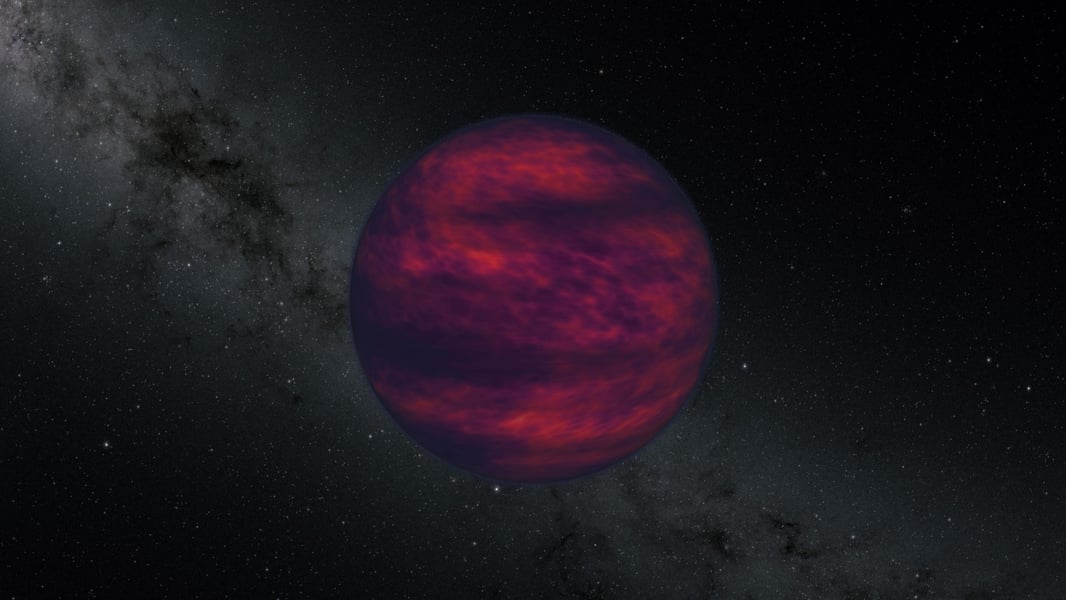

PASADENA, Calif. — The best computer models of brown dwarf atmospheres, the failed stars that sit between planets and stars, still struggle to reproduce what NASA’s SPHEREx telescope sees as these objects cool through their cloudiest phase, a gap that matters because astronomers lean on those models to read worlds they cannot visit.
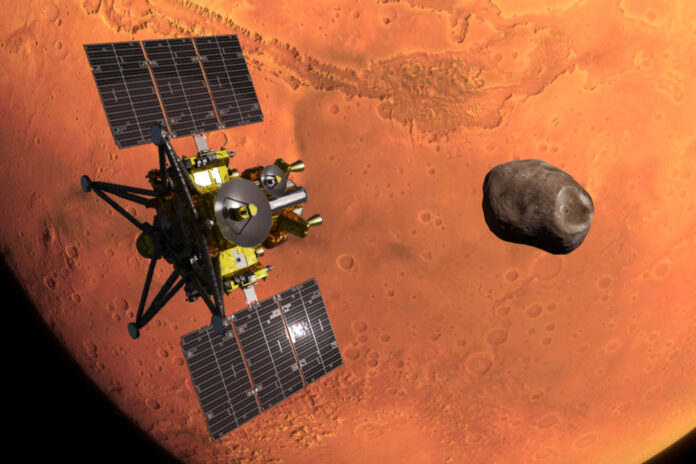
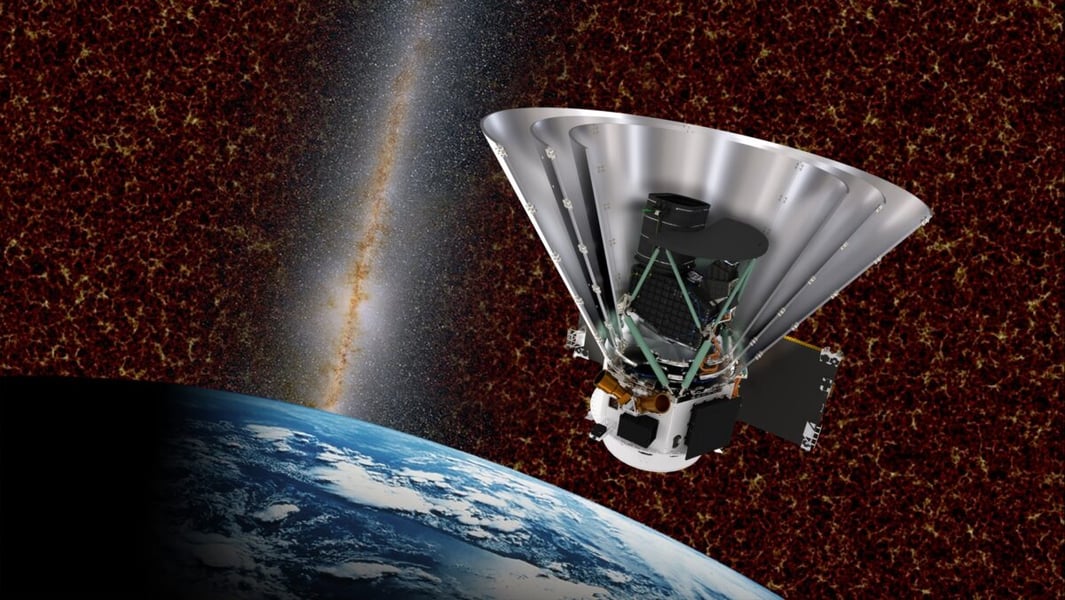
SPHEREx, an infrared telescope launched in March 2025 and managed by NASA’s Jet Propulsion Laboratory, is mapping the entire sky and takes about 3,600 images a day. Brown dwarfs are a side project. A team led by Zafar Rustamkulov of IPAC at Caltech analyzed 37 nearby ones spanning roughly 2,200 to minus 20 degrees Celsius, measuring their light in 102 colors, NASA said. The results appeared in The Astrophysical Journal on October 8.
The spectra show water, carbon dioxide, carbon monoxide and methane. “They’re kind of goth,” Rustamkulov said of the objects. From orbit, SPHEREx sees wavelengths that ground telescopes cannot, because water in Earth’s atmosphere absorbs them.
The mismatch is in the details. The team’s preprint fit the spectra, which run from spectral type L0 to Y4, against five widely used model grids. Models “continue to struggle to simultaneously fit the J/H/K peaks” and the 4-micron window, the preprint says, especially for objects in the L/T transition, the temperature range where clouds are thought to clear. Carbon dioxide and carbon monoxide showed the largest deviations among the chemistry-sensitive features, and field brown dwarfs strongly preferred models with weak vertical mixing.
“The state-of-the-art models are capturing the general chemical trend,” Rustamkulov said, according to NASA’s release, but they struggle through the cloudy transitions. “No two brown dwarfs are alike.”
Why it matters is scale. Before SPHEREx, only a few dozen brown dwarfs had been studied in detail from space, NASA said, so much of what is known rests on theory. Brown dwarfs are often compared with giant planets, such as the third planet in the Beta Pictoris system that EH reported on in July. J. Davy Kirkpatrick of IPAC called the findings “a call to action to explore even more of these dark worlds,” and thousands more brown dwarfs are still being analyzed.
Two limits apply. EH read NASA’s release and the July preprint, not the final journal paper, and the preprint’s abstract reports no numerical fit statistics, so how large the mismatch is cannot be stated here.
Thirty-seven objects show where the models fail. Thousands more will show whether the fault lies in the clouds, the chemistry or the mixing.