
NEW YORK — Caleb Davies sent the warning before the market closed. He had watched the streams surge in real time, run the numbers, and messaged Kalshi’s chief executive directly: hold off on settling until the data can be verified. Days later, his $4,500 in contracts had been settled against him. He had not heard back from the company.
What happened next defines the most consequential gap in prediction market regulation. Kalshi’s head of enforcement and legal counsel, Robert DeNault, told Davies that “only Spotify can verify” whether the streaming data underlying the June chart market reflected genuine listening. Within minutes of that response, the exchange settled $3.32 million in contracts, paying out winners based on data Spotify would subsequently identify as fraudulent, Bitcoin News reported.
Spotify removed 523,000 artificial plays from Malcolm Todd’s Columbia Records single “Earrings” the following day. Without them, the track would have ranked fourth on the U.S. daily chart, not first, the outcome that had determined Kalshi’s June payout. The streaming platform sent formal notices to both Kalshi and its rival Polymarket, demanding they remove Spotify’s logo and make clear that no partnership exists. The payout was not reversed.
The sequence is documented in correspondence between Davies and Kalshi executives. Davies had flagged the anomaly before anyone at Kalshi had. His estimate put the probability of the single-day surge occurring naturally at roughly one in 77 octillion, an 11.24 sigma event. He sent the analysis to Tarek Mansour, Kalshi’s chief executive. Mansour directed him to DeNault. DeNault acknowledged the information, pointed to Polymarket as the primary concern, and suggested organic explanations were plausible. The settlement followed minutes later.
Davies has since received no contact from Kalshi. No investigation results have been made public. No settlements have been reversed. No trader reimbursements have been announced. The CFTC has not indicated whether the settlement itself is under examination.
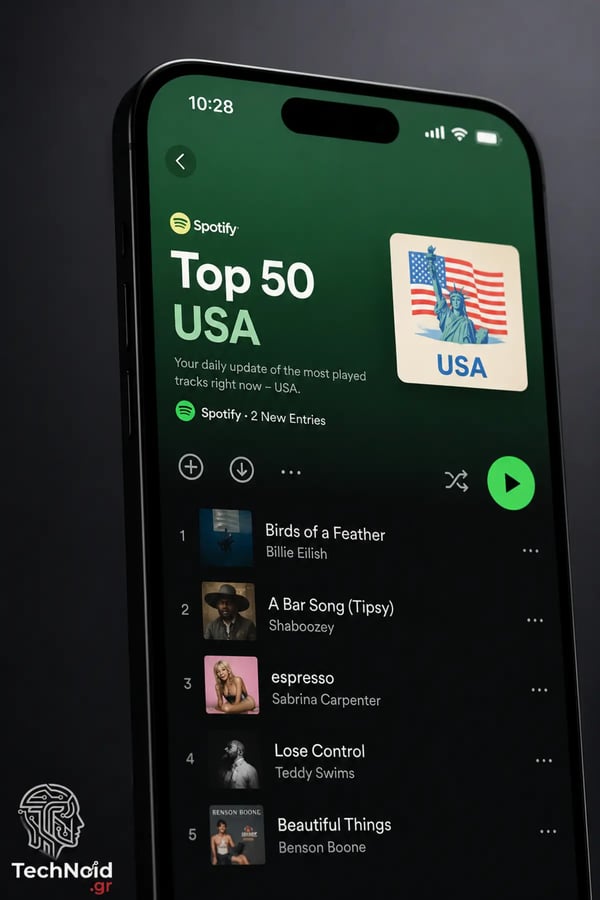
The scale of what surrounds this incident is worth pausing on. Trading on Kalshi’s music contracts had already topped $400 million in 2026 by late April, Music Business Worldwide reported, a figure confirmed by the platform’s co-founder and chief operating officer, Luana Lopes Lara. The June contract that “Earrings” resolved attracted $3.32 million on its own, with open interest in the winning bracket climbing from $2,000 to more than $70,000 in the days before the surge. A bettor holding the right position stood to profit twenty to thirty times their stake. Artificial streams can be purchased in bulk for a fraction of that payout.
The Commodity Futures Trading Commission had flagged this category of risk in February. Its enforcement advisory asserted its investigative authority over prediction market platforms through two cases against KalshiEX, one involving a political candidate’s insider trading and one involving a YouTube channel editor with advance access to content performance data. The advisory did not address music chart manipulation or the integrity of streaming data as settlement inputs. That gap remained open when June’s market settled.
The fraud detection architecture that exists in music streaming was not built to serve financial markets. Spotify’s systems are designed to fight royalty farming, bulk plays spread across many tracks to extract small per-stream payments. A prediction market manipulation scheme concentrates its activity in a single chart window and needs to sustain it only long enough to close a contract. The Music Fights Fraud Alliance, whose members include Spotify, SoundCloud, and TuneCore, has operated since 2023, but its tools were calibrated for a different financial incentive structure than the one Kalshi created.
As Eastern Herald reported when the incident broke, Spotify stripped more than 500,000 streams from Malcolm Todd’s single and confirmed it would not pay royalties on artificially generated plays. Todd, whose team had no involvement in the manipulation, lost the chart position and royalties attached to plays the platform subsequently disqualified. Whether “Earrings” had genuine organic momentum before the artificial surge overtook its numbers is a question that cannot be answered from the published chart data.
Kalshi stopped listing new Spotify contracts after the incident but left its July market open. By this week, that contract had attracted approximately $894,000 in trading volume. Kalshi had also introduced employment verification for traders in high-risk markets and risk-scoring systems in June. In the first quarter of 2026, the exchange conducted more than 150 investigations and blocked more than 100 potential insider trades. Those measures were designed for traders who know something in advance. The streaming fraud required no inside knowledge. It required only the willingness to make something true that was not true before.
The compliance record elsewhere provides context. Nevada moved to hold Kalshi in contempt over geofencing failures that allowed prohibited sports contracts to be purchased inside the state eight times despite a court order. That dispute describes a platform whose technical compliance systems have been tested in practice and found slower than the activity they are meant to govern.
Federal courts have been more accommodating. A federal judge blocked Minnesota’s attempt to ban Kalshi and Polymarket outright days before its August 1 enforcement deadline, finding federal commodities law likely preempts state regulation. The ruling confirmed CFTC jurisdiction over the platforms while leaving the music chart question unanswered. Whether contracts settled on streaming data fall under the same federal framework, and whether a fraud warning sent before settlement creates regulatory exposure, is a question none of the parties have yet pushed to resolution.
What August’s Spotify market will show is unknown. The whistleblower tools Kalshi announced are now in place. The structural incentive that made June’s fraud profitable, a contract whose settlement depends on data the contract’s own participants can influence, is also still in place. Whether those two facts prove compatible over the long run is what the music industry, the CFTC, and $894,000 in open Kalshi contracts are all waiting to find out.