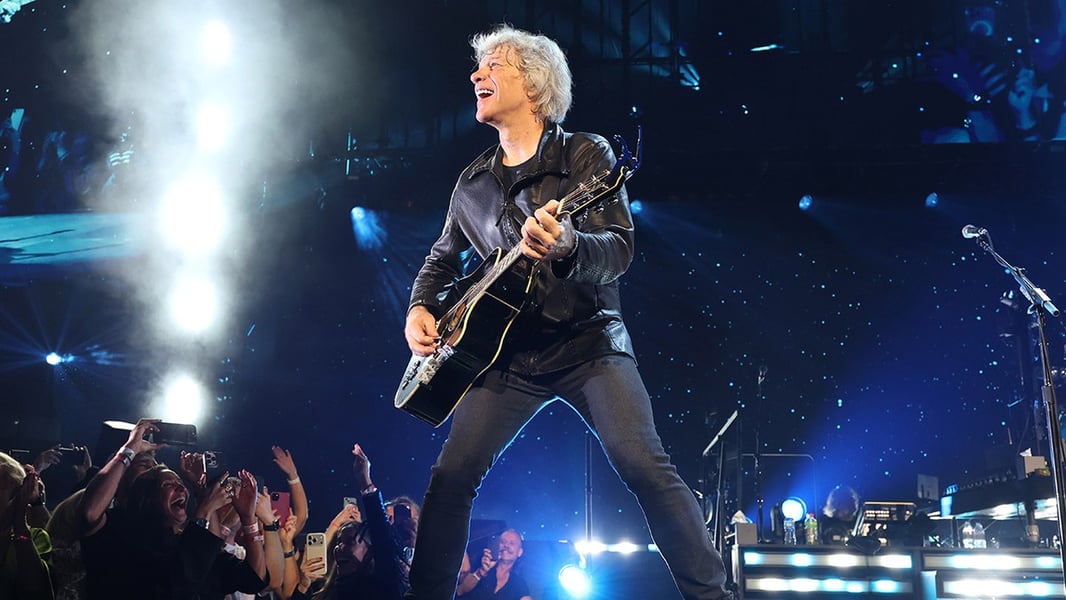

NEW YORK — Twenty thousand people who left Madison Square Garden early on the night of July 23 are being told this week, in an email from Ticketmaster, that the ticket price was not forfeit after all. A sinus infection that cut Jon Bon Jovi’s eighth night of a nine-show MSG residency short by roughly 30 minutes will result in full refunds to primary purchasers — a decision that carries more significance in the concert industry than the Ticketmaster notice itself acknowledges.
“Due to scheduling and logistics,” the message reads, “Bon Jovi was unable to offer an additional performance.” That sentence is the entirety of the explanation. Refunds would process within 14 business days. No further comment.
The real explanation was offered from the stage on July 23 itself. Bon Jovi told the crowd he had been battling a sinus infection that made completing the set impossible. He got through roughly 15 songs; a full residency show typically covers 19 over two hours and fifteen minutes. The 30-minute gap — the four songs that did not get played — was filled in memory by one detail: Pat Monahan, the lead singer of Train, had come to see the show as a regular ticket holder. When it became clear the evening was winding down before it should have, he walked to the stage and took over vocals for the final number. The gesture was unrehearsed and unannounced.
The concert industry’s standard position on medical interruptions is effectively written into the fine print of any major ticket purchase: health-related stoppages are force majeure events, and promoters have no legal obligation to refund when a show occurs but ends early. The test that has generally been applied is whether a performance took place at all — and a 90-minute set by an artist of Bon Jovi’s profile is, in almost every framework, a performance that took place.
The refund decision is therefore voluntary. Voluntary refunds for shortened-but-completed shows almost never happen. The cost to the tour promoter is real. The gain is harder to quantify: the preservation of a relationship between a 64-year-old rock icon and the audience that has followed him across four decades, maintained at a moment when the margin for alienation is thinner than it was at 30.
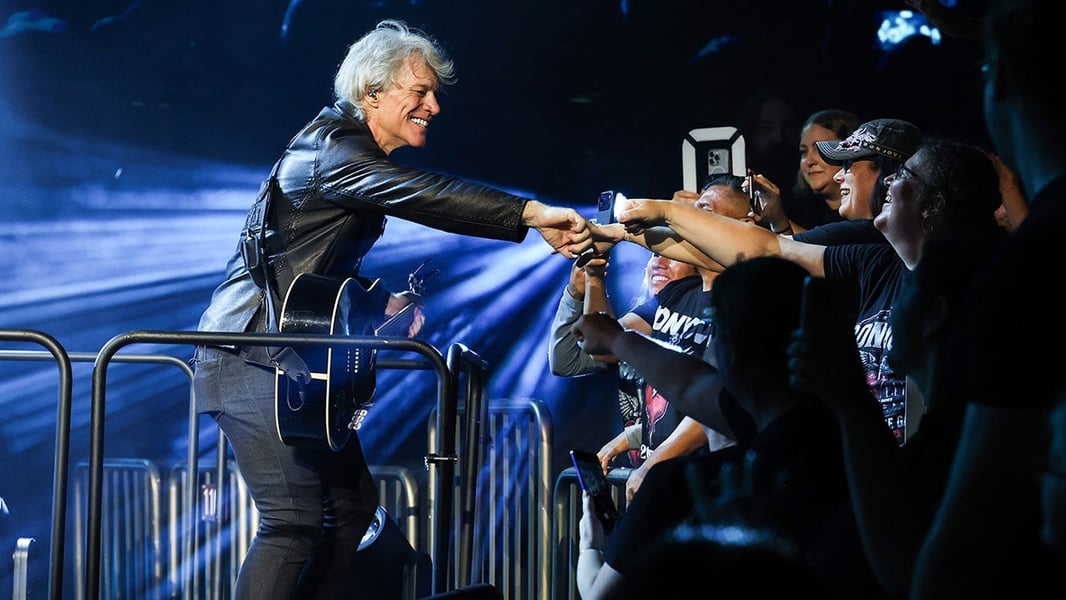
That framing matters because of where Jon Bon Jovi was three years ago. In 2022, after years of a gradually narrowing upper register, he underwent vocal cord surgery that raised questions inside the industry about whether his performing career was effectively finished. The recovery took long enough that those questions were not immediately answered. When he came back, with the residency that included nine nights at the most storied concert venue in the United States, it was against the low expectations that vocal cord surgery typically produces.
Eight of nine nights at MSG is a statement. The sinus infection on night eight was the kind of acute interruption that can define how a comeback story is remembered rather than how it was built. The decision to send refund emails is part of how that narrative is being managed.
What is less certain is what came next. Whether night nine of the residency proceeded on schedule and at full length has not been confirmed in any official communication from Bon Jovi’s management. His team has not addressed the autumn touring calendar publicly either. The sinus infection is described as the specific cause of the July 23 stoppage. Whether it had any larger consequences for the tour remains unanswered.
Secondary market buyers are not included in the refund. The Ticketmaster obligation runs to primary purchasers only; resale transactions operate under separate terms. At MSG pricing levels, particularly for a residency of this scale, the gap between primary and secondary market prices can be substantial. Fans who came in through brokers absorb that difference themselves.
The music industry is in the middle of a particular kind of generational reckoning right now. The death of Dolly Parton at 80 in late August was the most recent reminder that the generation of artists who shaped modern popular music is thinning, and that the relationship between those artists and the audiences who built their careers alongside them is itself finite. Bon Jovi is still performing. The refund is not a farewell; it is the operational detail of a working concert artist who chose to honor the expectation he did not meet.
For fans drawn to the unexpected moments that give concerts their lasting significance, Eric Barrett’s new memoir about Jimi Hendrix’s final concert — published this week — is a reminder that the unscripted night on stage is often the one that gets remembered longest. Pat Monahan walking to the stage at MSG on July 23 did not make the Ticketmaster email any easier to write. It did give the night something.
Fox News, which first reported the refund, confirmed the details of Bon Jovi’s sinus infection and Ticketmaster’s response.