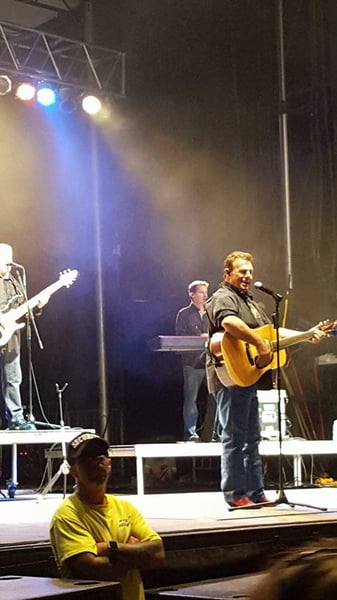

Sammy Kershaw and his wife have been invited to walk the CMA Awards red carpet after the singer’s public criticism of his initial exclusion drew support from fellow performers and fans. The invitation resolves his immediate dispute with the Country Music Association, while leaving a broader question in view: how much space does country music’s biggest televised celebration make for the artists who helped build it?
Kershaw announced the development in a statement issued Tuesday, November 10, following discussions with CMA leadership, according to People’s report. The awards ceremony is scheduled for November 18.
The distinction matters: the controversy concerned permission to appear on the media red carpet, not a blanket ban from attending the awards. Rolling Stone reported that Kershaw could still have attended as a ticketed guest. His complaint was about being denied a visible place alongside other artists before the broadcast.
How Sammy Kershaw’s CMA Awards dispute unfolded
The singer first raised the issue publicly on November 5. In a social media statement, he said he and his wife, Mendy, had adjusted his touring schedule and booked flights and accommodation expecting to take part in the evening. He described learning that his red-carpet request had been rejected after months of communication.
Kershaw pointed to his long career, his CMA Horizon Award nomination and his lifetime membership in the association, which he said dated to 1992. He also cited his contributions to CMA Fest. His argument was not that every attendee should receive credentials, but that years of professional participation should count when veteran performers seek recognition.
USA Today’s account documented both his complaint and the association’s response. Kershaw called the rejection “extremely hurtful, embarrassing and very disappointing.” Those words helped turn an administrative decision into a public debate over belonging.
What the Country Music Association said
The CMA issued a statement on November 9 explaining that its red-carpet criteria were intended to manage limited space and security requirements for artists and media. It said it was sorry that people felt excluded and that executives were in contact with Kershaw’s representatives.
The organization also acknowledged that the conversation had become about more than carpet access. Its response expressed a commitment to listening and making artists feel welcome. That explanation addressed the practical pressures of staging a major television event, but did not end criticism from performers who viewed the decision as a measure of their standing in the industry.
By the following day, Kershaw said private discussions had produced an invitation for him and his wife. He described his original statement as an expression of hurt rather than an attempt to attract attention. His update shifted the immediate story from exclusion to reconciliation, without withdrawing the concerns that prompted him to speak publicly.
Why other country artists spoke up
Kershaw’s supporters included contemporary stars as well as performers associated with earlier generations of country music. Riley Green and Carly Pearce voiced support, while Drew Baldridge offered his own place on the carpet, according to The Washington Post’s reporting.
Other artists described a more persistent frustration. Pam Tillis argued that veteran performers could connect the genre’s past with its future. Mark Chesnutt and Doug Stone criticized what they saw as insufficient recognition for the musicians behind the 1990s sound that remains influential. Rodney Atkins said he, too, had been denied red-carpet access.
These comments are the artists’ assessments, not proof of a formal CMA policy against older performers. Nevertheless, they explain why an individual credential request became a shared grievance. For those speaking out, a brief appearance before the cameras represented acknowledgment of a continuing contribution, not simply a photograph.
An invitation settles one case, not the wider debate
The Post reported that red-carpet decisions also involve competition for limited positions among nominees, performers, presenters and other guests. Industry staffers interviewed by the newspaper described tensions around invitations for influencers and celebrities from outside country music. Their accounts offer context, but do not establish that any particular guest took Kershaw’s place.
Kershaw, known for hits including “She Don’t Know She’s Beautiful” and “Queen of My Double Wide Trailer,” now has the invitation he sought. Whether the association changes its future credential process remains a separate question. The reported resolution concerns him and his wife; it does not establish that every other artist who raised a complaint has received the same outcome.