
LAS VEGAS — On eight occasions across four days in late May, investigators from the Nevada Gaming Control Board sat inside Nevada, opened the Kalshi app, and bought prediction market contracts — including wagers on the FIFA World Cup, the NBA Finals, and the Stanley Cup Finals. A court order had required Kalshi to stop those transactions. Kalshi processed them anyway. On June 15, the board asked a state judge to hold the company in contempt.
The contempt motion makes a specific comparison. Kalshi had spent $190,000 building the geofencing system meant to prevent Nevada residents from accessing those contracts after First Judicial District Court Judge Jason D. Woodbury issued a preliminary injunction on May 18. The board is asking the court to impose either a daily sanction of $120,000 — its estimate of Kalshi’s daily Nevada revenue during the injunction period — or a disgorgement of all profits the company earned from Nevada users while the order was in force.
Kalshi built its compliance system around internet protocol address verification. IP-address geolocation is among the least reliable methods of confirming a user’s physical location: it cannot detect virtual private networks, and it misassigns addresses when traffic routes through data centers with outdated registry records. The board’s investigators did not use a VPN. They sat in Nevada on four separate days and bought contracts without any technical workaround. The board is asking the court to treat each day of documented violations as a separate contempt count.
Kalshi’s response, delivered through a representative, was to call the contempt motion a PR stunt. The company said the board should have shared information about the alleged technological flaw if its concern was a technical failure, rather than escalating to contempt proceedings. Kalshi has said it is seeking sanctions against the Nevada Gaming Control Board and demanding a court-ordered apology. It has not signaled plans to rebuild its geolocation system while the underlying legal dispute remains unresolved on appeal before the Ninth Circuit.
Kalshi has maintained throughout its Nevada litigation that the state’s regulatory authority over its products does not exist. The company’s argument — shared by Polymarket, Robinhood, and other prediction market operators — is that the Commodity Exchange Act, as expanded by the Dodd-Frank Act in 2010, grants the Commodity Futures Trading Commission exclusive jurisdiction over event contracts and preempts any state gambling classification. The CFTC has backed that position and has itself filed suit against multiple states, including Kentucky on June 23, to stop them from enforcing gambling laws against prediction market platforms. Nevada Gaming Control Board Chairman Mike Dreitzer rejected the framing, saying the company’s advertising claim — that Kalshi was the first app for legal sports betting in all 50 states — was clearly not true.
The legal question Kalshi says makes this proceeding unnecessary is before the Ninth Circuit. The circuit’s three-judge panel heard oral arguments on April 16, with Judges Ryan D. Nelson, Bridget S. Bade, and Kenneth K. Lee — all appointed during President Trump’s first term — posing skeptical questions to the prediction market platforms. Bloomberg Law reported that Nelson was especially vocal in challenging the federal preemption argument. On May 21, the court denied a motion to stay Nevada’s enforcement proceedings, allowing the contempt process to advance while the appeal continues. That decision means a ruling on contempt could arrive before the circuit resolves the underlying jurisdictional question.
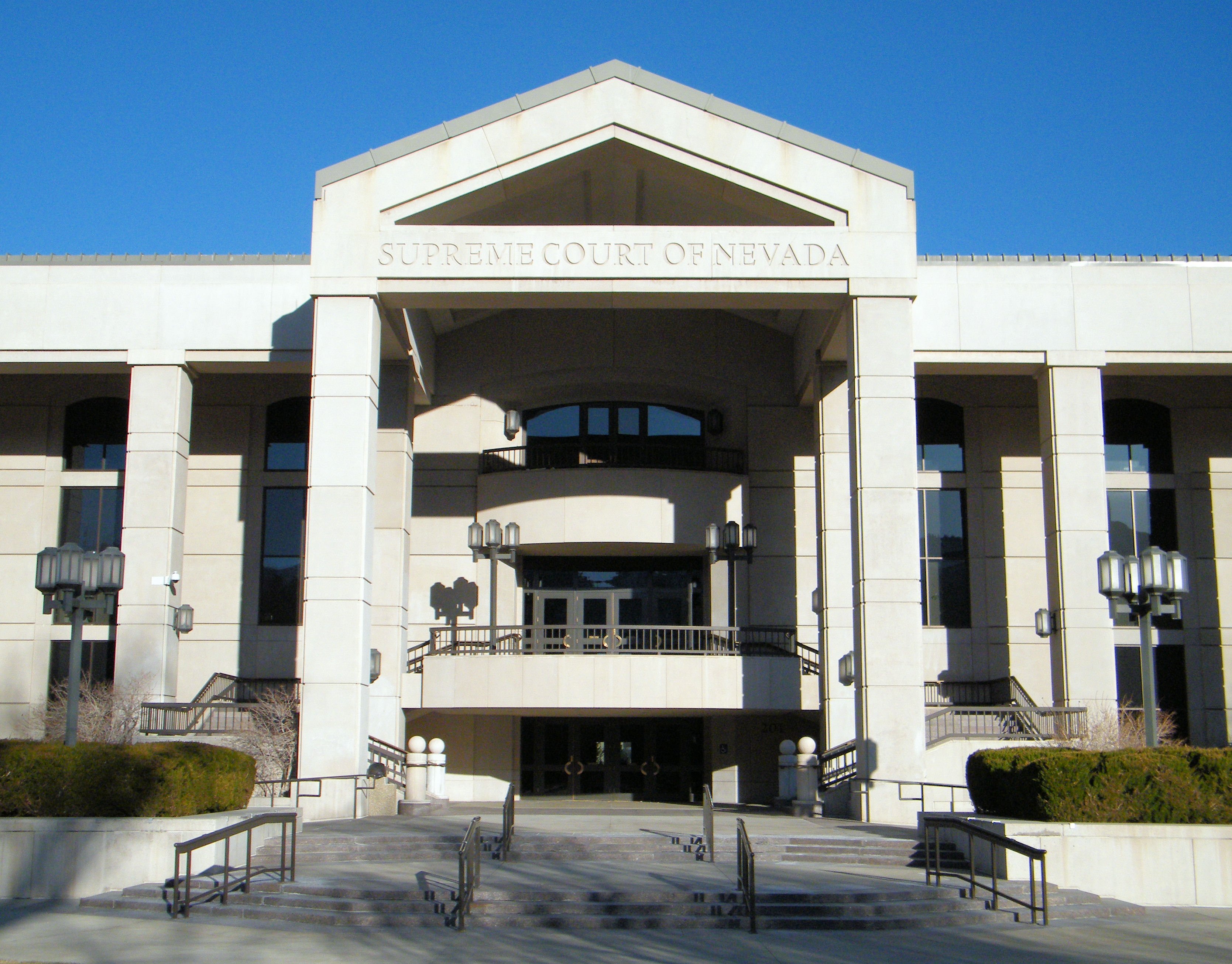
Nevada’s enforcement path has been the fastest in the country. It moved from a temporary restraining order to a preliminary injunction to a contempt motion in roughly four months, becoming the first state to reach the contempt stage of litigation against a prediction market platform. The picture elsewhere is consistent with state regulators maintaining momentum. A federal judge in Michigan denied Polymarket’s preliminary injunction on June 17, ruling that Dodd-Frank does not preempt state gambling law for sports contracts. The Sixth Circuit is expected to deliberate on conflicting district rulings from Ohio, Tennessee, and Michigan next month.
The $190,000 geofencing investment is now evidence of something beyond a technical failure. The board’s filing presents the IP-address system not as a good-faith attempt that fell short, but as a system chosen because it would fail without requiring any obvious circumvention from users — one that preserved Kalshi’s Nevada revenue while the appeal ran its course. Whether that characterization is correct is a factual question for the court. What is not in dispute is the arithmetic: $190,000 spent building the system; $120,000 a day sought in sanctions for the period it failed to work.
If the Ninth Circuit rules for Nevada — holding that the state may regulate prediction market sports contracts — the contempt proceedings gain retroactive weight. The disgorgement request becomes a mechanism for recovering what the court would then say was improperly earned revenue. If the circuit rules for Kalshi — holding that federal law preempts Nevada’s authority entirely — the contempt proceedings are likely mooted. A company cannot be sanctioned for violating an injunction a higher court later found was unauthorized. Kalshi’s $190,000 investment reflects a calculation that the second outcome was more probable than the first.
Nevada’s contempt motion lands as regulators across multiple states are pressing the same enforcement authority through different mechanisms. Indiana used the legislature to ban the dual-currency model that powers sweepstakes casino platforms, forcing roughly a dozen operators to exit the state ahead of a July 1 deadline. In prediction markets, the path has run through courts — and Nevada’s contempt motion is the furthest any state has gone on that road. The court has not yet scheduled a hearing. The Ninth Circuit has not said when it will rule.
Related Posts