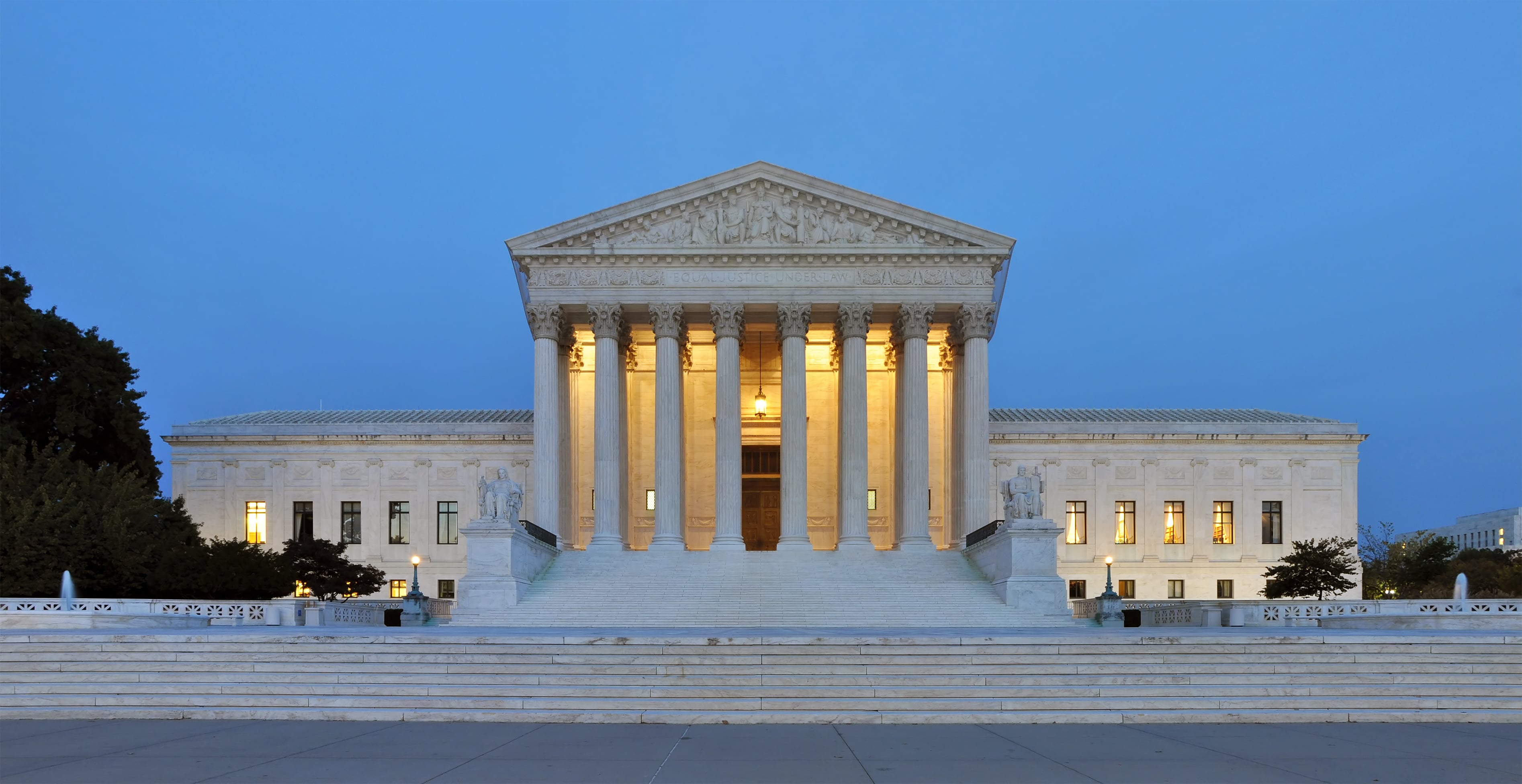

GRAND RAPIDS, Mich. — Polymarket entered a federal courthouse on June 17 with one task: convince a judge that the sports contracts it sells are financial derivatives, not sports bets. The judge was not convinced.
U.S. District Judge Paul L. Maloney of the Western District of Michigan denied Polymarket’s request for a preliminary injunction that would have halted Michigan officials from enforcing state gambling laws against the platform’s operations. His decision applied equally to Robinhood, which distributes Polymarket’s contracts to retail customers, with Maloney reaching the same conclusion in what amounted to twin rulings issued the same day. Both companies were left operating in Michigan without the legal shield they sought, and Polymarket appealed before the day was out.
The case turns on a question that has now produced conflicting answers in courts across two federal circuits: when a user places money on the outcome of a sporting event through a prediction market, are they buying a federally regulated financial derivative or placing a sports bet subject to state gambling law? The answer, so far, depends entirely on which courthouse you ask.
Polymarket’s legal theory has been consistent since the company began its U.S. expansion: its event contracts qualify as binary options under the Commodity Exchange Act, giving the Commodity Futures Trading Commission exclusive regulatory authority and preempting state gambling statutes. The CFTC has backed that position directly, suing nine states, most recently Kentucky on June 23, to block them from treating prediction market contracts as illegal gambling. Maloney rejected the underlying premise in terms that went well beyond the Michigan facts. “Plaintiff’s version of the scope of derivatives is so vast,” he wrote, “that it would encompass vast swaths of activity never understood to be associated with the financial industry and instead traditionally associated with core state, as opposed to federal, responsibilities.” He found no clear congressional statement that the CEA, as expanded by the Dodd-Frank Act in 2010, was intended to displace states’ traditional authority over gambling.
Bloomberg Law reported that the ruling was the first time a federal court in the Sixth Circuit had denied Polymarket’s preliminary injunction request. That distinction matters because the Sixth Circuit now contains its own internal disagreement. A federal judge in Tennessee ruled in February that the CFTC’s authority plausibly covered sports-event contracts and sided with prediction markets. A federal judge in Ohio sided with state regulators in March. Maloney’s Michigan ruling, issued nine days ago, adds a second pro-state voice in the same circuit. The Sixth Circuit Court of Appeals is expected to begin deliberating the conflicting district-level rulings as early as next month.
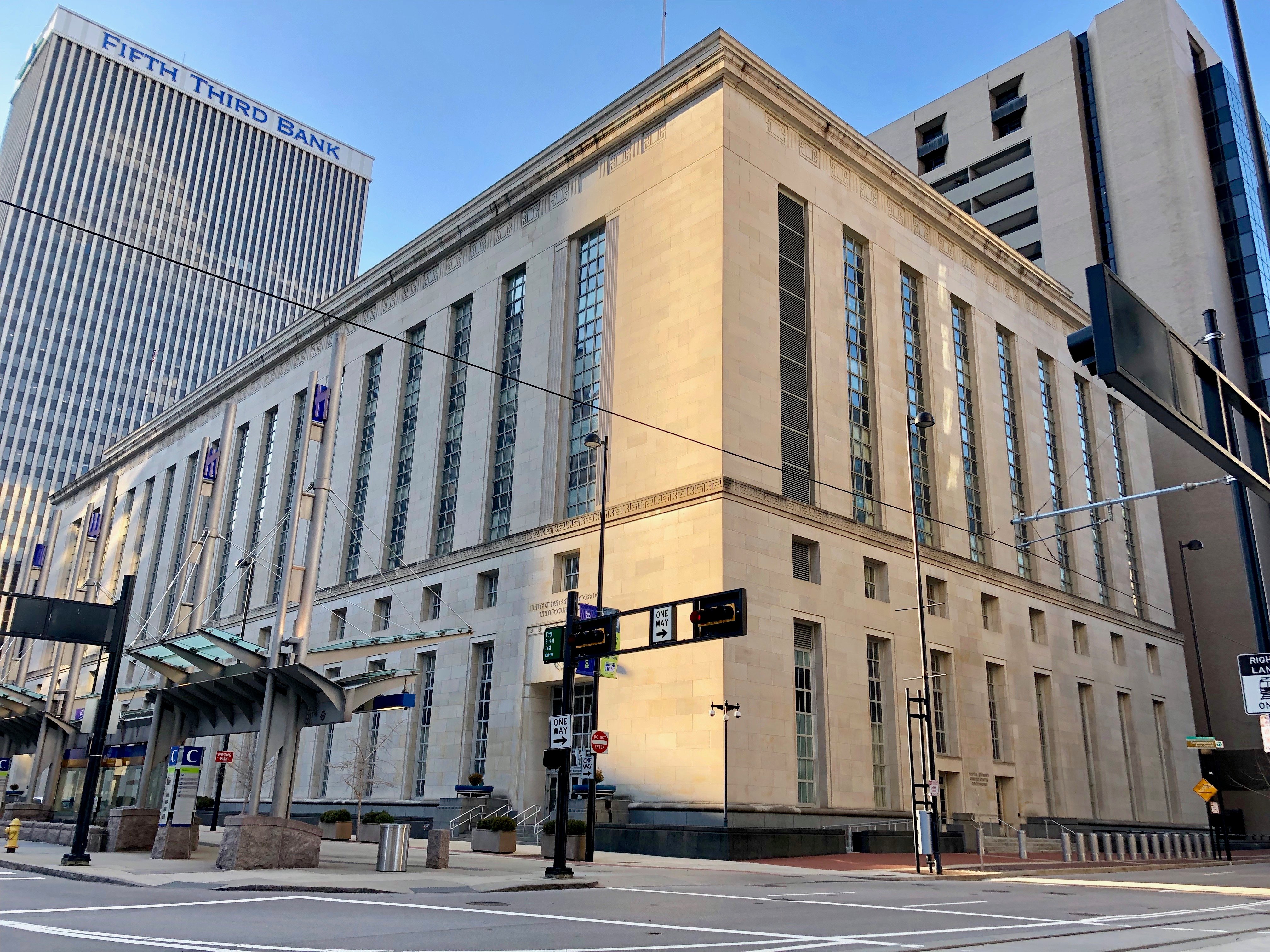
Across circuit lines, the divergence is sharper still. The Third Circuit, which covers New Jersey, issued a preliminary injunction on April 6 barring that state from enforcing its gambling statutes against Kalshi’s sports contracts, finding the federal preemption question substantial enough to justify pausing state enforcement while the merits were argued. That ruling is the clearest judicial endorsement yet of the legal theory Polymarket and Kalshi share. Maloney’s opinion is the clearest rejection.
Polymarket and Kalshi operate on different platforms with distinct technical architectures, but both rely on the same foundational claim: that Dodd-Frank made event contracts a federal matter regardless of what the underlying event is. Maloney’s ruling addressed that claim directly, writing that the term “swap” would not have been understood, when Dodd-Frank was drafted, to include sporting-event contracts. “There is no clear statement,” he added, “that Congress intended to supersede the states’ traditional role in regulating gambling.” The dissenting view, reflected in the Tennessee and New Jersey rulings, holds that Congress need not have anticipated the specific product to have granted the CFTC authority over it.
The valuation context is significant. Bloomberg Law reported that Polymarket was in talks for new investment at a $15 billion valuation as recently as April. That figure assumes the company can operate nationally as a federally regulated exchange, not as a gambling platform required to obtain a license in each of the 50 states. A ruling that the CEA does not preempt state gambling law for sports contracts, adopted at the appellate or Supreme Court level, rewrites the addressable market for every prediction market platform operating in the United States.
Michigan’s enforcement approach has been notably broad. The state’s attorney general, Dana Nessel, did not limit her target to the platform itself. Her office’s legal actions encompass Robinhood, which distributes Kalshi and Polymarket contracts through its brokerage interface, and Kalshi as a separate defendant. The bundled approach gives the state multiple pressure points in any appeal: even if one defendant secures protection, the others remain exposed, and the distribution channel for the product is part of the target.
The prediction markets legal fight is one thread in a broader contest over who governs online gambling. Indiana forced a dozen sweepstakes casino platforms to withdraw ahead of a July 1 enforcement deadline after the legislature voted to ban the dual-currency model those platforms use. In both cases, the question is not whether online gambling exists, but who has the authority to define it, tax it, and shut it down. Indiana resolved that question through legislation. Michigan is resolving it in court, one judge at a time, with outcomes that keep canceling each other out.
The Dodd-Frank debate of 2009 and 2010 was almost entirely about derivatives markets in the aftermath of the financial crisis: credit default swaps, collateralized debt obligations, instruments that had helped amplify the damage. Sports-event contracts were not discussed. The courts are now deciding, in real time and without legislative clarification, whether a law written to regulate Wall Street also governs a platform that lets users stake money on whether the Detroit Pistons win their next game. Maloney’s answer was no. Two other federal judges, in two other states, said yes. The Sixth Circuit gets the question next month. After that, both circuits’ answers will be on the table, contradicting each other, waiting for the Supreme Court to decide which one is right.