Texas oilfields are stirring back to life, but beneath the surface of renewed drilling activity lies a deeper unease. A modest uptick in production across the United States’ most critical energy basin is being overshadowed by a volatile global market shaken by the escalating Iran war, raising urgent questions about the sustainability of oil prices and the future of energy security.
According to the latest Dallas Fed survey, business activity in the oil and gas sector turned positive in the first quarter of 2026 after months of stagnation. The business activity index surged sharply into expansion territory, signaling renewed momentum in regions such as Texas, Louisiana, and New Mexico. Yet production itself has barely moved, reflecting a cautious industry unwilling to commit to long-term growth amid geopolitical turmoil.
This contradiction, rising activity without significant output growth, captures the fragile state of the US energy sector in 2026. Companies are working, planning, and preparing, but not fully investing. The reason is simple: no one trusts the current price of oil.
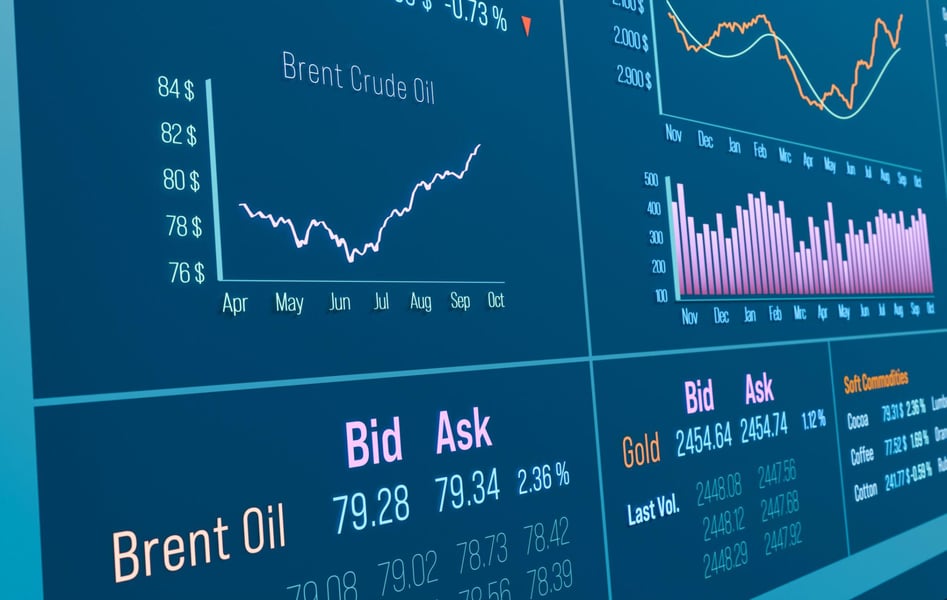
The Iran conflict has transformed global energy markets into a high-stakes gamble. Crude prices surged toward $100 per barrel as fears of oil shock intensified, particularly over disruptions in the Strait of Hormuz, a chokepoint through which a significant share of global oil supply flows.
But these gains have proven unstable. Oil prices have swung sharply on rumors of ceasefires, diplomatic negotiations, and shifting military dynamics. For oil executives in Texas, such volatility makes long-term planning nearly impossible.
“Drill, baby, drill,” once a defining mantra of the US shale revolution, is notably absent from boardrooms today. Instead, producers are embracing restraint. Nearly half of firms have kept their drilling plans unchanged despite elevated prices.
Smaller firms are cautiously expanding, but major producers remain hesitant. Their restraint underscores a key reality: large-scale production decisions depend on long-term expectations, not short-term price spikes.
And those expectations are clouded by war.
The Iran conflict has already delivered one of the most significant shocks to global energy markets in decades. Oil prices have surged sharply, while disruptions to shipping routes and energy infrastructure have sent ripples through supply chains worldwide.

Yet paradoxically, this uncertainty is preventing US producers from fully capitalizing on higher prices.
Executives emphasize that volatility, not low prices, is now the primary constraint. While current price levels are profitable, companies doubt their sustainability.
This caution is rooted in experience. The shale boom of the 2010s ended in painful crashes, leaving firms overleveraged. Today’s leaders are determined to avoid repeating that cycle.
Global financial systems are already reacting. Global markets have shown signs of instability, while brief rebounds highlight ongoing uncertainty. Even sudden gains, such as recent rallies, reflect fragile confidence rather than sustained recovery.
Economists warn the risks extend far beyond energy. Rising oil costs could push the global recession threshold closer, especially if supply disruptions persist.
The broader global economy is already facing inflationary pressure, supply chain strain, and policy uncertainty.
In Texas, the impact is visible but restrained. Production activity has increased, but rising costs and uncertainty are limiting expansion. Companies are balancing opportunity with caution.
Industry analysts describe this as “disciplined growth,” a stark departure from the rapid expansion of previous decades.
If the conflict stabilizes, stronger production growth may follow. But if volatility persists, caution will likely define the industry’s path forward.
For now, Texas remains at the center of a global energy crisis shaped as much by geopolitics as by economics. The message is clear: activity is rising, but confidence is not.