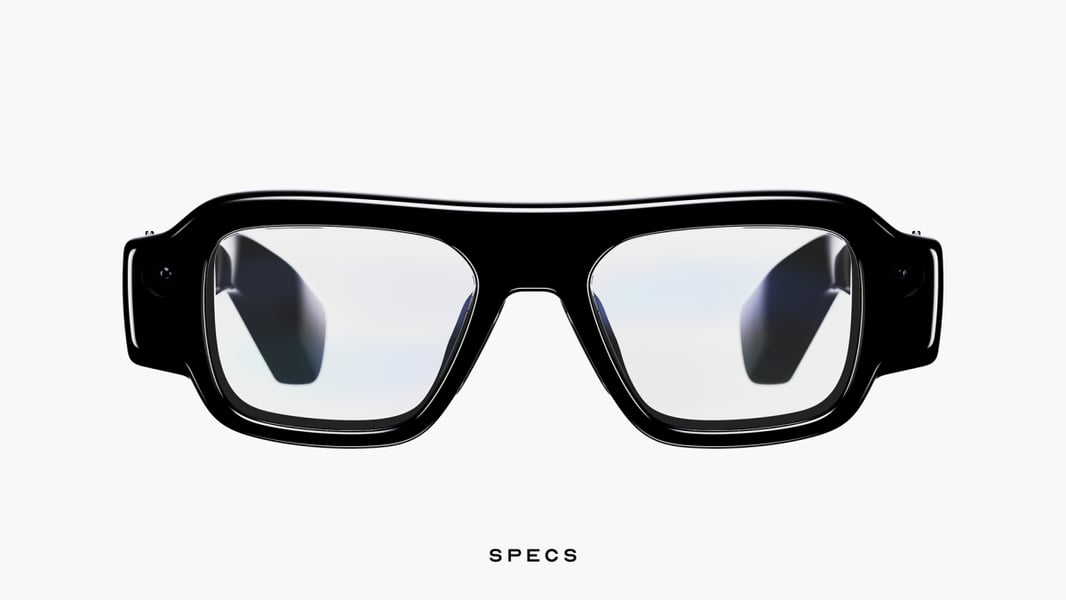

Snap’s Specs augmented-reality glasses are substantially lighter and more comfortable than an earlier prototype, according to a new TechCrunch hands-on report, but the improvements have not settled the question of who should pay a reported $2,200 for them.
Writer Lucas Ropek tried the device during a roughly hour-long demonstration in San Francisco in late October. He reported a weight of 132 grams, two fit sizes and spring hinges, and said the glasses did not become hot as the earlier prototype had during his previous experience.
Those observations describe one journalist’s short demonstration, not an all-day wear test or a controlled thermal assessment. Eastern Herald did not test the glasses, and the account does not establish comfort across different users or sustained workloads.
In his November 8 TechCrunch assessment, Ropek contrasted the latest hardware with the heavy, uncomfortable prototype he tried earlier this year. The new fit options measure 47mm and 52mm; he described them as accommodating different head sizes rather than offering different levels of performance.
The spring hinges add flexibility to the frame. Together with the lower weight, that made a noticeable difference for Ropek. His report gives a clearer account of the physical improvements than it does of a compelling everyday purpose for the device.
Entertainment was one of the more persuasive uses he identified. Existing streaming integrations made watching video more immersive than using a phone, in his assessment. He also found reading engaging, but his suggestions for additional newspaper and ebook integrations were ideas for future uses, not announcements of available services.
Capturing and sharing photographs and videos was another possible routine use. Ropek also highlighted technology allowing two users to see the same virtual content simultaneously. He viewed that spatial synchronisation as a promising technical achievement, not proof that it would produce a large consumer audience.
Snap is also positioning Specs as a way to work, saying they can turn locations into an immersive, flexible workspace. Ropek remained unconvinced that putting on glasses and using gestures would be more convenient for the average worker than a phone and laptop.
His doubts about gaming followed a similar pattern: the experiences could be enjoyable, but the price raised questions about how widely people would buy the hardware for that purpose. Those are the reviewer’s judgements, not sales forecasts or evidence of consumer rejection.
The reported $2,200 price should not be treated as confirmed local pricing in every market. TechCrunch said pre-orders were already under way when Ropek met the team; the demonstration was not a new launch announcement, and the report does not establish one worldwide delivery date.
For buyers, the improvement is tangible but limited in scope: a lighter frame and a better short-session experience reduce one obstacle to wearing AR hardware. Whether Specs deliver enough useful activity to justify their cost remains the unresolved part of TechCrunch’s assessment.