
BEIRUT — United Nations peacekeepers watched Israeli naval vessels operate inside Lebanon’s territorial waters and wrote it down. They have four and a half months left to write anything down at all.
UNIFIL observed several Israeli military maritime activities in Lebanese territorial waters, the UN spokesman Stephane Dujarric told reporters on Monday, adding that the vessels afterwards withdrew into Israel’s own waters. He gave no count, no dates and no description of the ships.
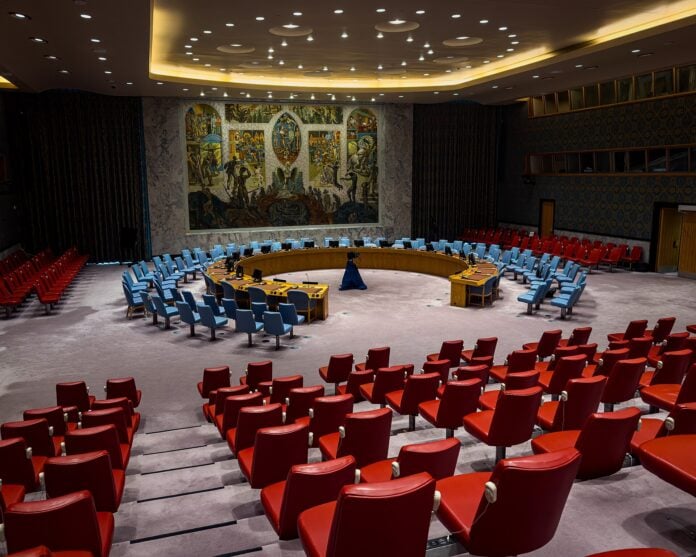
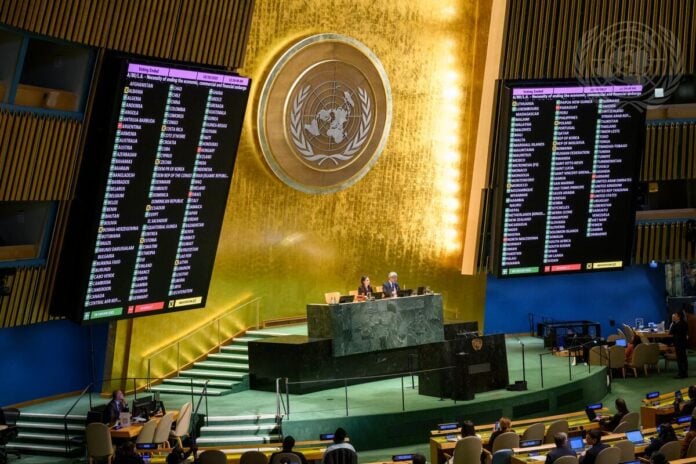
The force recording those movements is being dismantled on a fixed timetable. On August 28 last year the Security Council unanimously adopted Resolution 2790, extending UNIFIL’s mandate to December 31, 2026, and describing that extension as the final one. An orderly withdrawal follows over the course of a year, then liquidation, ending a United Nations military presence in southern Lebanon that has run since 1978. The mission currently fields more than 10,000 personnel from roughly 50 contributing countries.
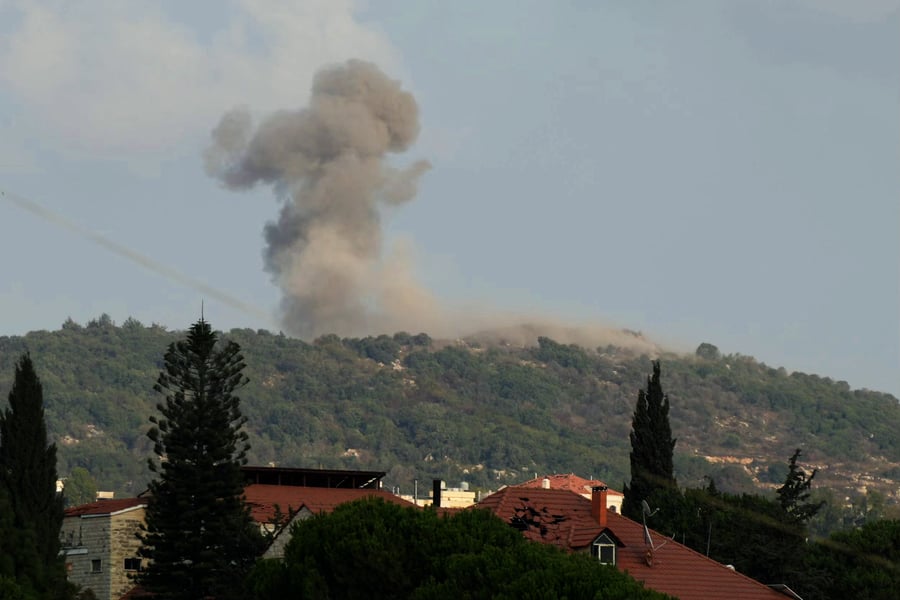
What that mission produces is worth being precise about, because precision is the thing that disappears. A week before Monday’s briefing, UNIFIL published a tally of a single weekend in the south: 455 projectiles fired into Lebanon and 97 violations of its airspace between Friday and Sunday. Saturday alone accounted for 229, the heaviest single day since June 21, against 113 for the whole of the previous weekend. Most of the airspace violations came from drones, the UN deputy spokesman Farhan Haq said, though helicopters and fighter jets were also involved. Peacekeepers tracked two Israeli boats in Lebanese waters over the same period, recorded an airstrike at Al Mansuri on the Sunday morning, neutralised two pieces of unexploded ordnance in Sector East and found two improvised explosive devices and a loaded 107mm rocket launcher in Sector West.
That is the granularity, and it exists because Resolution 1701 obliges the mission to report violations to the Security Council. Counting is the mandate.

Some of what gets counted lands close to the people counting. In the same weekend tally, Israeli tank fire came down 200 metres from a UN position and 30 rounds of small-arms fire were directed at a UN area. In April a United Nations investigation found that Israeli tank fire had killed a UNIFIL peacekeeper, and a separate incident that month put a missile into a UN base in the south. Whatever deterrent value a blue helmet once carried on that stretch of coast has been tested repeatedly and found wanting.
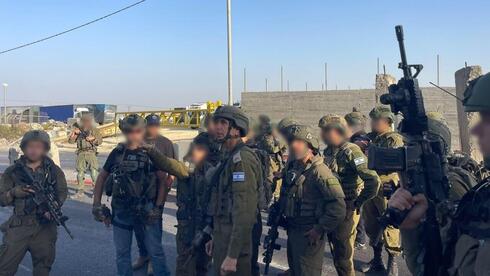
Resolution 2790 also urged Israel to withdraw from positions north of the Blue Line, and called on Lebanon to extend state sovereignty across the south and strengthen the Lebanese Armed Forces. Of the two withdrawals the resolution contemplated, only one carries a date. Israeli forces hold roughly 700 square kilometres of southern Lebanese territory, a figure Defence Minister Israel Katz confirmed this month.
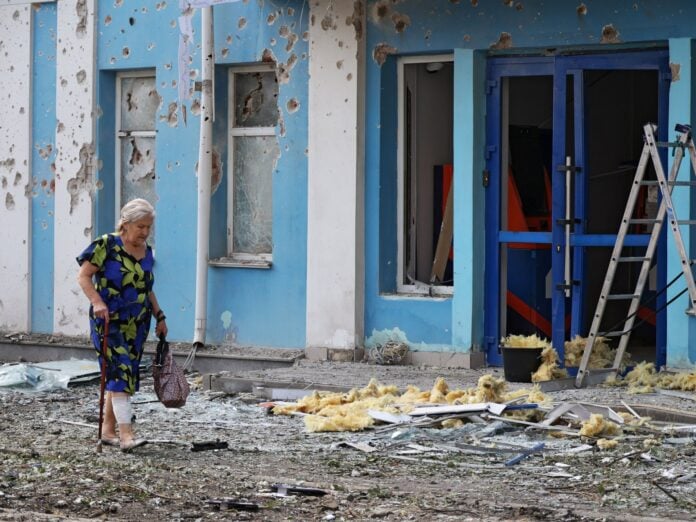
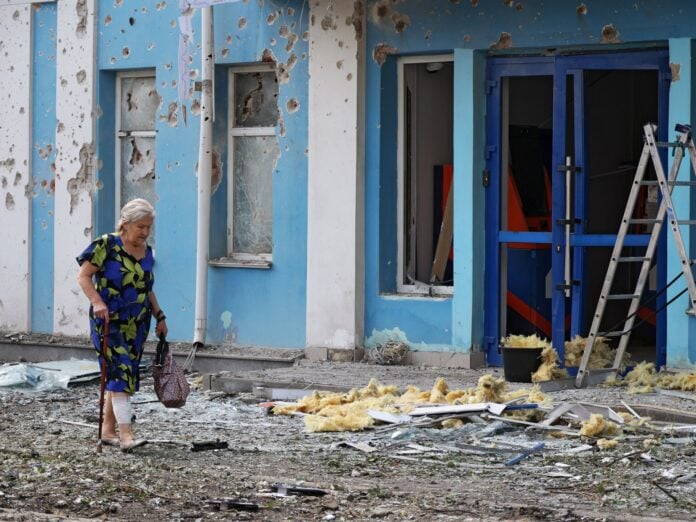
Nor is the frontier the mission is leaving a quiet one. More than 4,300 people have been killed in Lebanon since the war widened in March, according to figures carried by AFP, and while the pace slowed after a US-Iran deal and a Washington-sponsored framework agreement took effect, it did not stop. On August 15 an Israeli strike destroyed a family home in the village of Ansar, killing seven people including three children, on a day when strikes across Nabatieh governorate left at least 11 dead. Israel said the Ansar building was a Radwan Force headquarters; Lebanon’s prime minister said the dead were not military infrastructure. Days earlier Israel had declared a permanent military presence on the Ali al-Taher Ridge.
The question 2790 leaves unanswered is who counts afterwards. The resolution’s answer is the Lebanese Armed Forces, an institution Lebanon has been asked to strengthen while the state that funds it remains in fiscal crisis and while the territory it is meant to control is partly held by a foreign army. No successor monitoring mechanism has been announced, and nothing obliges Israel to report its own movements to anyone. After 2027 there will be no standing international body positioned to produce a number like 455.
Dujarric’s briefing therefore did two things at once. It placed a set of Israeli naval movements on the international record, and it demonstrated the mechanism by which such things reach the record at all, four months before that mechanism starts being packed up.
Several things remain unknown. Neither Dujarric nor UNIFIL has said how many maritime incursions occurred on this occasion, over what period, how far inside Lebanese waters the vessels went, or what type they were. It is not clear whether UNIFIL raised the movements with the Israeli military through the liaison channels it maintains, or what response it received. The Israeli military has not commented publicly on the observations. And UNIFIL has not indicated whether it intends to publish a consolidated record of violations before its mandate lapses, which would be the closest thing to a permanent account anyone is likely to get.